
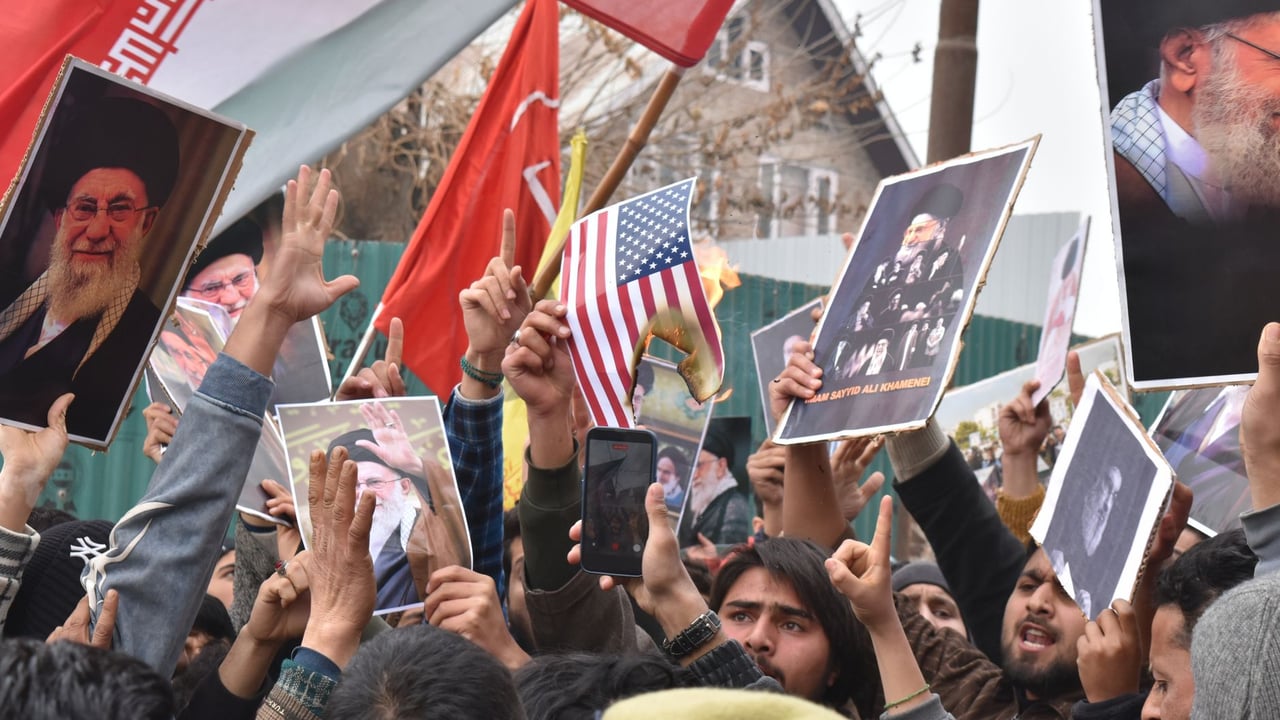

The sun beat down on Mashhad with a ferocity that matched the mourning below. As temperatures climbed toward 40 degrees Celsius, millions of Iranians flooded the streets of the northeast’s spiritual heart to bid farewell to Ali Khamenei, the man who shaped the Islamic Republic for nearly four decades. This was not merely a funeral; it was a choreographed demonstration of state power and a baptism by fire for the next era of Iranian leadership.
The presence of portraits featuring Mujtaba Khamenei, the late leader’s son and now the current Supreme Leader, signaled a transition many had long predicted but few had openly discussed until now. By choosing Mashhad, his birthplace, for his final resting place, the regime linked the legacy of the second Supreme Leader to the very foundations of his personal identity. The three-kilometer route to the Imam Reza Shrine became a gauntlet of grief and geopolitical defiance.
Khamenei’s legacy remains inextricably tied to the survival of the clerical state. From his presidency during the harrowing years of the Iran-Iraq War to his 1989 elevation following the death of Ayatollah Khomeini, he presided over a nation in perpetual friction with the West. The atmosphere in Mashhad suggests that this friction has reached a new boiling point, with mourners openly accusing the United States of a "cruel assassination" that targeted the leader and his family.
The rhetoric on the streets indicates that the "strategic patience" of the previous era may be giving way to a more volatile phase of resistance. Allegations that Washington repeatedly violated ceasefire terms in Lebanon and the Strait of Hormuz dominated the conversations of the grieving crowds. For the new leadership, this narrative of Western betrayal serves as a potent adhesive for national unity during a period of extreme vulnerability.
President Pezeshkian’s official response underscored this strategic intent, framing the massive turnout as a "historical scene" of loyalty and solidarity. While the international community watches for signs of internal instability, Tehran is using the spectacle of the Mashhad funeral to project an image of an unbreakable front. The transition to the Mujtaba era has begun, defined by a meticulously managed show of force and a deepening of the ideological divide with the West.