
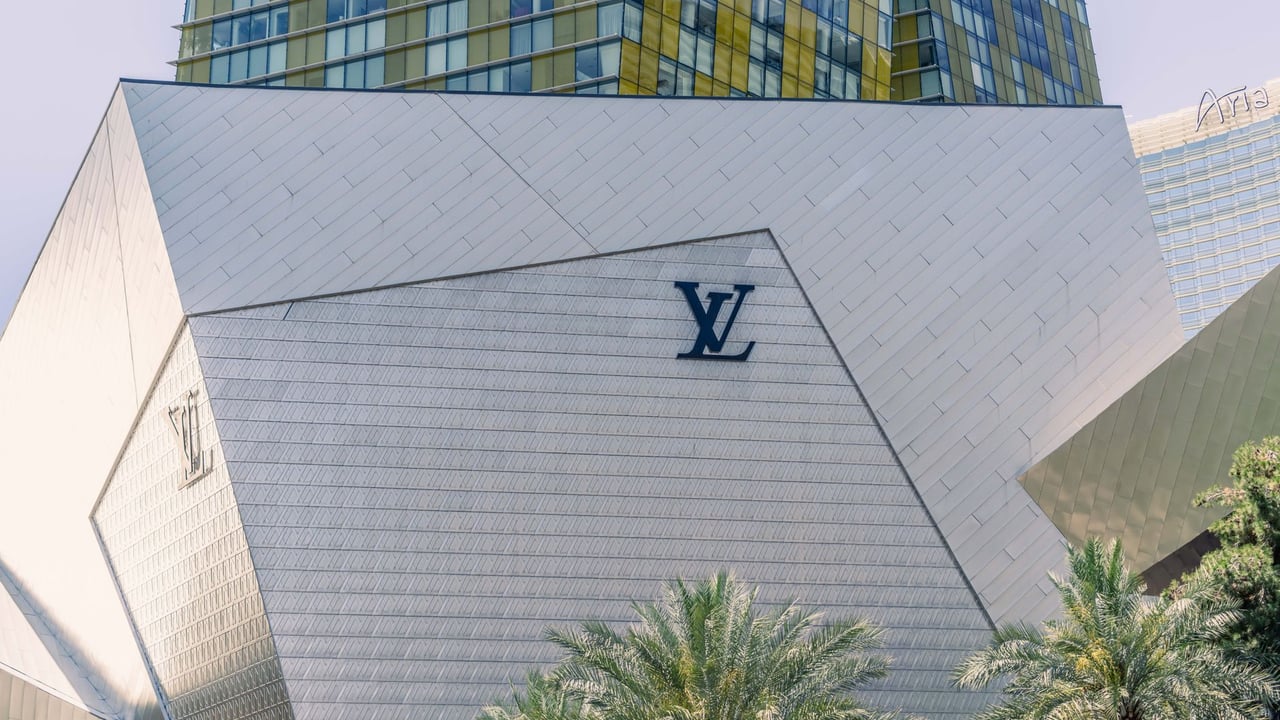

A courtroom victory for a global luxury titan would typically be a moment of celebration, but for Louis Vuitton (LV), a recent legal win in China has transformed into a public relations nightmare. The centennial French giant successfully sued the burgeoning Chinese tea brand Molly Tea (Molly Naibai) for trademark infringement, securing a judgment of 10.3 million RMB. While the court found Molly Tea’s four-leaf floral pattern too similar to LV’s iconic Monogram, the verdict has ignited a firestorm of nationalist sentiment and consumer backlash across Chinese social media.
The court’s decision was based on the finding that Molly Tea acted with subjective fault, having continued to use the floral motif after its initial trademark application was rejected in early 2024. In response, Molly Tea has scrambled to hire new legal counsel and pivot its visual identity, but the financial sting of the fine has been overshadowed by a surge in public sympathy. On platforms like Weibo and Douyin, millions of users have rallied behind the local brand, viewing the lawsuit not as a protection of intellectual property, but as a case of a multinational bully suppressing a smaller, domestic competitor.
At the heart of the controversy is a debate over cultural heritage versus international trademark law. Many Chinese internet users argue that LV’s four-leaf pattern is a derivative of the traditional Chinese 'Persimmon Calyx' and 'Baoxiang' motifs, which have existed for over a millennium. This 'cultural ownership' argument has struck a chord with a generation of consumers who increasingly view Western luxury through a lens of skepticism, accusing LV of packaging ancient Chinese aesthetics as its own private property while litigating against the very culture that inspired it.
The commercial fallout has been immediate and stark. In the days following the verdict, Molly Tea’s social media following surged by over 300,000, while LV’s official accounts saw a decline in followers and a deluge of critical comments. This shift occurs against a backdrop of financial cooling for LV’s parent company, LVMH, which reported an 11% revenue decline in the Asian market (excluding Japan) for the second consecutive year. The traditional logic that luxury goods become more desirable as prices rise is failing in China, as younger consumers move toward 'rational consumption' and domestic alternatives.
Industry experts suggest that LV’s aggressive litigation strategy is a defensive move born of 'scarcity anxiety.' By suing mid-market players like tea shops and even defunct diners, the brand hopes to prevent its high-end symbols from being diluted by common, everyday associations. However, in the current climate of 'de-mystification' among Chinese youth, this tactic may be backfiring. By positioning itself as an antagonist to local culture, the French giant risks alienating the very demographic it needs to sustain its future growth in the world’s most critical luxury market.