
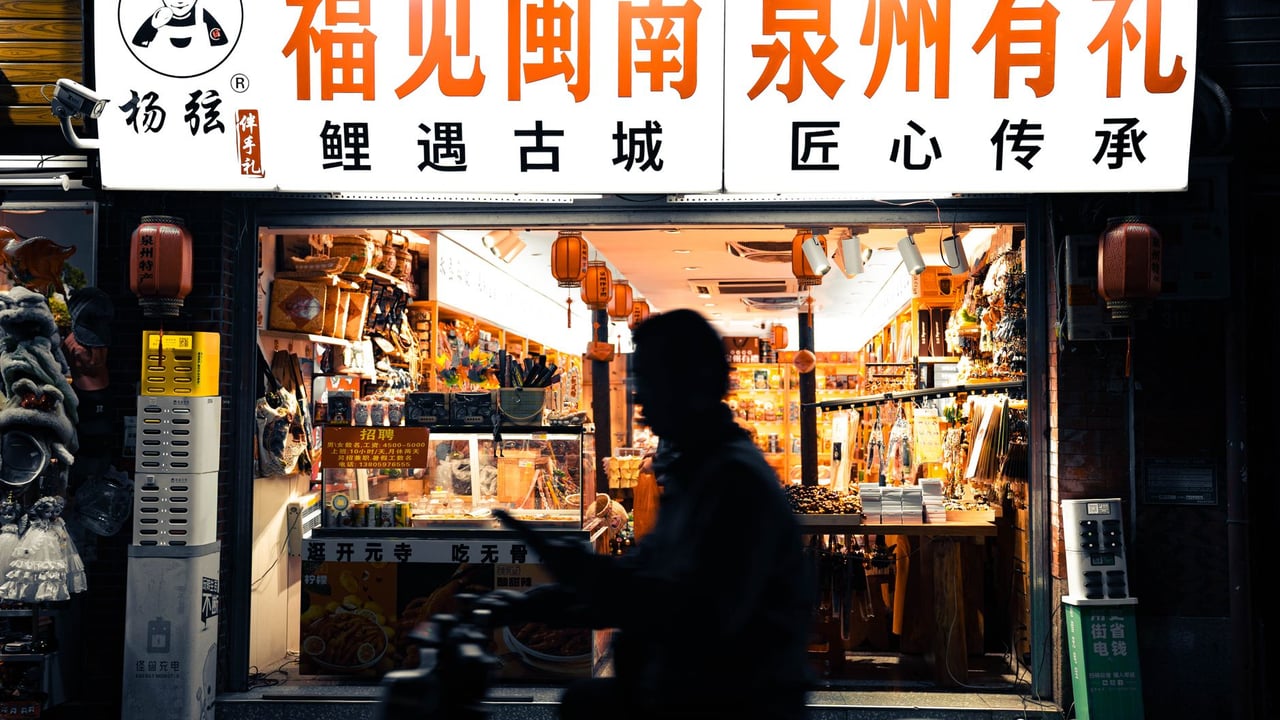

China’s retail sector is far more than a barometer for consumer sentiment; it is a critical pillar of social stability. With over 80 million people employed in the industry—representing 11% of the national workforce—and 32 million individual businesses, the sector's health is inseparable from China’s broader economic resilience. However, the traditional brick-and-mortar landscape is currently grappling with a painful transition as profit margins thin and foot traffic migrates to dominant e-commerce platforms.
In response, nine central departments, led by the Ministry of Commerce, have unveiled a comprehensive roadmap to modernize the industry by 2030. The new guidelines aim to address structural imbalances that have led to "involutionary" price wars and a glut of redundant department stores. For the first time, Beijing has introduced a "commercial saturation assessment" mechanism, a technocratic tool designed to prevent the oversupply of malls and guide social investment away from saturated markets.
The policy shift emphasizes a transition from "selling products" to "selling experiences." By integrating retail with culture, tourism, and technology, the government hopes to revitalize stagnant commercial assets. Pilot programs in cities like Changchun have already demonstrated success, where vertical experiential malls have reportedly more than doubled the average transaction value by blending shopping with art and social spaces.
To fuel this transformation, Beijing is opening the financial floodgates for qualified retail enterprises. The guidelines explicitly support initial public offerings (IPOs) for high-quality retailers and encourage the use of Commercial Real Estate Investment Trusts (C-REITs) to help companies liquidate fixed assets. This financial liberalization is intended to provide the necessary capital for digital upgrades and the physical remodeling of aging shopping districts.
As the "Fifteenth Five-Year Plan" approaches, the retail sector is being positioned as a primary engine for the "dual circulation" strategy. By curbing disorderly competition and fostering "first-store economies," where brands debut flagship concepts, authorities are betting that a more sophisticated retail ecosystem can unlock latent domestic demand. The success of this initiative will ultimately determine whether China can successfully pivot its economy toward high-quality, consumption-led growth.