Cupertino Strikes Back: Apple’s Massive Trade Secret Lawsuit Threatens to Deconstruct OpenAI

Apple has sued OpenAI for allegedly stealing trade secrets and poaching over 400 employees to accelerate its AI development. The lawsuit demands the destruction of infringing materials and a complete product redesign, signaling a major legal confrontation in the tech industry.

Share
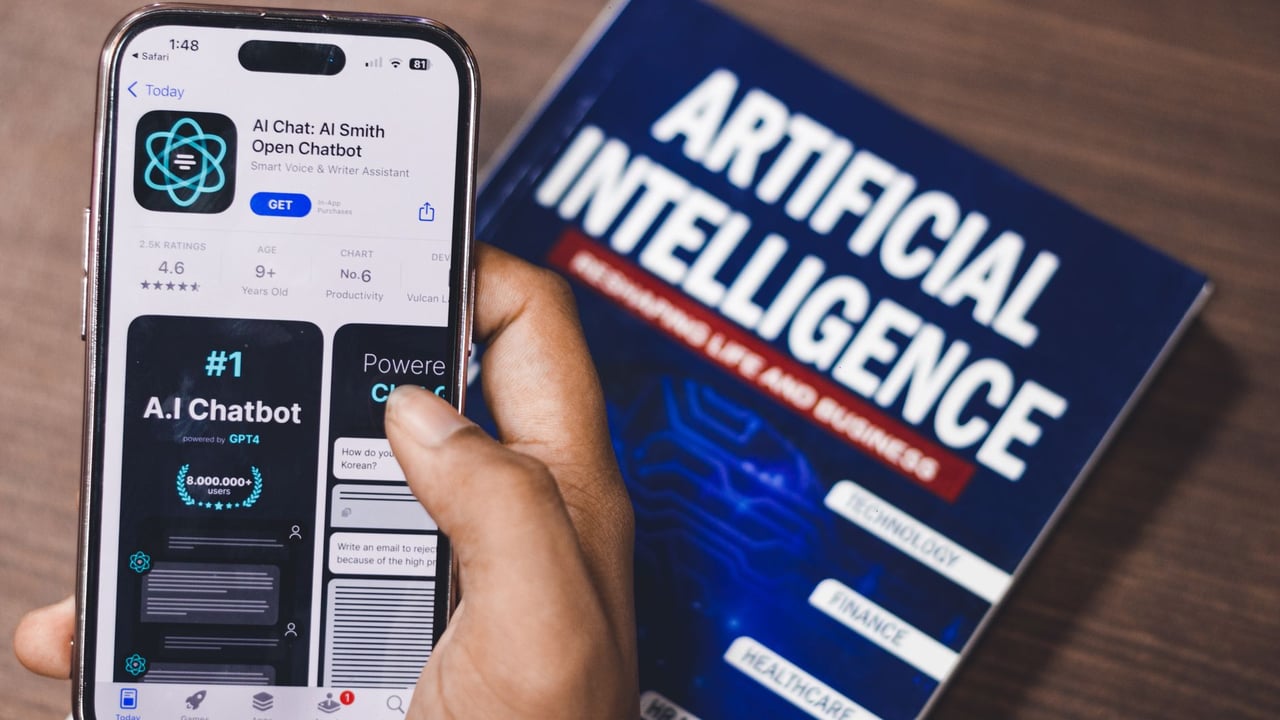
Smartphone displaying AI app with book on AI technology in background.

Key Takeaways

  • 1Apple alleges that OpenAI systematically poached over 400 key employees to steal proprietary trade secrets.
  • 2The lawsuit demands the destruction of all materials and models developed using the allegedly stolen intellectual property.
  • 3Apple is seeking to force OpenAI into a complete product redesign, which could cause massive operational delays.
  • 4The legal action marks a total collapse of the previous partnership between the two companies regarding Siri integration.
  • 5The case focuses on the intersection of hardware-software integration and on-device AI processing.

Editor's
Desk

Strategic Analysis

This litigation represents the inevitable Big Tech backlash against the disruptive speed of the generative AI era. For years, Apple played a patient game, focusing on privacy-centric, on-device processing while OpenAI dominated the cloud-based headlines. By moving to the courtroom, Apple is leveraging its greatest asset—its colossal legal and financial war chest—to create friction for a rival that thrives on a 'move fast and break things' philosophy. The demand for the 'destruction of materials' is a tactical attempt to force an existential reset on OpenAI’s models. If the court sides with Apple, it could chill the entire AI labor market, making it prohibitively risky for startups to hire from established incumbents without inviting ruinous litigation.

China Daily Brief Editorial
Strategic Insight
China Daily Brief

In a dramatic escalation of the artificial intelligence arms race, Apple has initiated a high-stakes legal offensive against OpenAI. The lawsuit, filed in July 2026, accuses the ChatGPT creator of systematically plundering Apple’s trade secrets and orchestrating a massive poaching campaign that reportedly lured away more than 400 specialized engineers. This litigation marks a definitive end to the fragile peace between the two tech giants, shifting their relationship from one of cautious integration to open corporate warfare.

At the heart of the dispute is Apple’s demand for OpenAI to destroy all materials allegedly derived from its proprietary technology. This 'scorched earth' legal strategy seeks to force a total redesign of OpenAI’s flagship products, potentially setting back the AI pioneer by years. Apple contends that the influx of former Cupertino employees provided OpenAI with an illicit shortcut to advanced hardware-software integration—a domain Apple has spent decades and billions of dollars perfecting.

The timing of this litigation is particularly significant. While the two companies previously maintained a veneer of partnership, most notably through the integration of ChatGPT into Siri, Apple has been aggressively pivoting toward its own 'Apple Intelligence' ecosystem. By targeting the underlying training data and the human capital that built it, Apple is asserting its dominance over the supply chain of AI talent and intellectual property.

Industry analysts suggest that this move is a calculated attempt by Apple to slow OpenAI's momentum. If successful, the demand for the destruction of materials could force OpenAI to undergo a digital 'lobotomy,' removing core capabilities that Apple claims were built on stolen foundations. The case is expected to set a major legal precedent for how trade secrets are protected in an era where talent mobility and generative AI development are increasingly fluid.

Related Articles

📰
No related articles found