
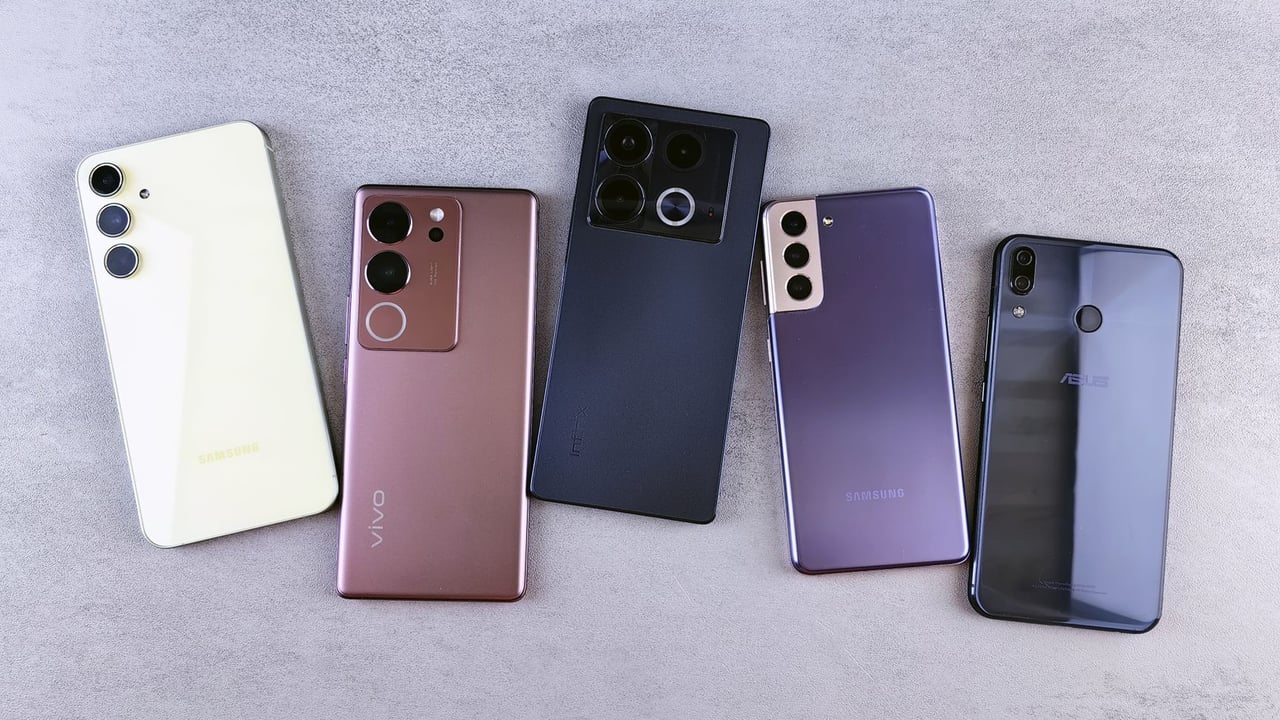

For over a decade, Chinese smartphone manufacturers were the undisputed architects of India’s digital revolution, transforming a nation of assemblers into the world’s second-largest mobile producer. However, recent regulatory shifts and aggressive localization mandates have fundamentally altered the power dynamic, forcing giants like vivo, Xiaomi, and OPPO to surrender operational control. By mid-2026, the era of independent Chinese dominance in the subcontinent has effectively ended, replaced by a model of 'forced partnership' that favors local capital.
The most striking example of this transition is vivo’s recent agreement to establish a joint venture with the Indian contract manufacturing titan Dixon Technologies. Under the terms of the deal, Dixon holds a controlling 51% stake, while vivo India is relegated to a minority 49% position. This structure effectively demotes vivo from a vertically integrated manufacturer to a mere brand licensor, handing over the keys of its massive Noida production facilities to its Indian partners.
Xiaomi’s trajectory in the region serves as a cautionary tale of regulatory attrition and financial pressure. Once the market leader with a 26% share, the company saw its fortunes turn when Indian authorities froze approximately $670 million in assets over alleged illegal remittances. This financial stranglehold, combined with a forced transition to local management and manufacturing partners, has seen Xiaomi’s market share collapse to just 13% as of 2025.
The Indian government’s strategy is a calculated three-pronged approach aimed at complete industrial indigenization. New regulations mandate that Chinese firms appoint Indian nationals to top executive positions, utilize local manufacturing partners for all production, and hand over distribution channels to domestic entities. This policy ensures that while the brand name remains Chinese, the profit centers, management, and supply chain control are firmly rooted in India.
Chinese firms find themselves trapped by the sheer scale of their own investments, creating a 'sunk cost' dilemma that prevents a clean exit. Having spent billions on super-factories and localized supply chains for batteries, screens, and camera modules, brands like OPPO and vivo cannot afford to walk away. India has successfully leveraged this exposure to extract technology transfers and management concessions that would normally take decades to negotiate.
This pattern of 'technological harvesting' is now expanding beyond the consumer electronics sector into infrastructure and power. Reports suggest the Indian government is now targeting Chinese power equipment firms, aiming to bridge technological gaps in the domestic grid through similar mandatory partnerships. For Chinese enterprises, the Indian market has shifted from a land of untapped demographic dividends to a high-stakes arena where survival requires the surrender of sovereignty.