
# Asymmetric%20Warfare
Latest news and articles about Asymmetric%20Warfare
Total: 57 articles found

Tehran’s Doomsday Doctrine: Iran Outlines Asymmetric Retaliation Plans for Regional Conflict
Tehran has unveiled a comprehensive 'offensive deterrence' strategy, outlining specific retaliatory measures against U.S. and allied interests including global energy infrastructure destruction and maritime blockades. The doctrine signals a shift toward total asymmetric warfare, aiming to leverage global economic vulnerabilities and proxy forces to deter military intervention.

Washington’s Multi-Billion Dollar Collection Call: Arms Sales, Legislative Deadlock, and the Battle for Taiwan’s Defense Narrative
Washington is exerting bipartisan pressure on Taiwan’s legislature to approve a record $14 billion arms sale amid a $20.5 billion delivery backlog. The opposition KMT is leveraging mainland dialogue and public debt concerns to stall the budget, creating a significant roadblock for U.S. strategic plans in the region.

The Mirage of the Algorithm: Why AI Cannot Conquer the Iranian Heartland
Recent military assessments suggest that the U.S. vision of using AI to win a remote war against Iran is a dangerous oversimplification. Despite advancements in targeting speed, Iran's vast geography and mobile asymmetric tactics continue to outpace algorithmic solutions.
Fortress Iran: The IRGC’s Vision of a Geographic and Asymmetric 'Quagmire'
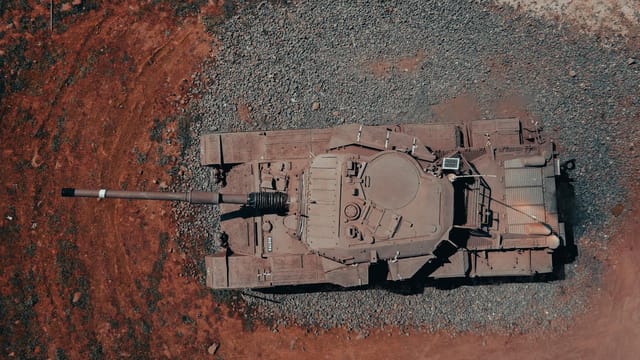
IRGC Ground Forces Commander Mohammad Karami has warned that Iran’s complex geography and decentralized defense network would turn any foreign invasion into a 'prison and quagmire.' He claims that previous US-led covert operations have already failed against this 'multi-layered' system, which reportedly integrates 17 million volunteers into a national defense web.
Blood and Sand: The High Cost of America’s ‘Daring’ Rescue in Iran
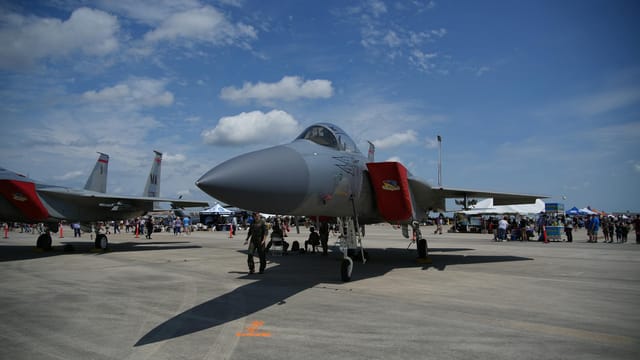
A high-stakes U.S. joint operation successfully rescued a downed F-15E crew from deep within Iranian territory after 50 hours of evasion. Despite the tactical success, the loss of multiple transport aircraft to environmental hazards and significant civilian collateral damage highlight the ongoing risks of the conflict.
The Price of Attrition: Counting the Multi-Billion Dollar Toll of 39 Days of US-Iran Conflict
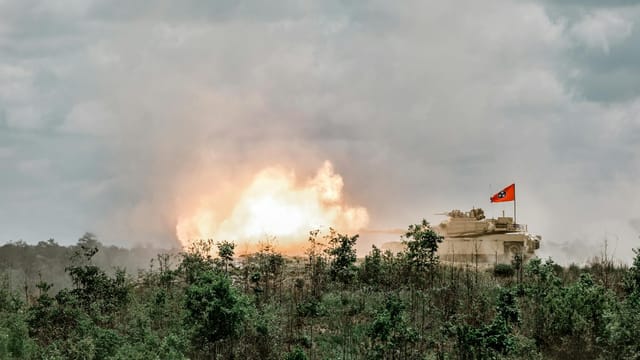
After 39 days of conflict with Iran, the United States faces a massive financial burden driven by the high cost of intercepting inexpensive drones. This report analyzes the fiscal sustainability of Washington's current military posture and the strategic implications of Tehran's cost-imposition tactics.
A War of Attrition: Iran Hits 100th Wave of Strikes on Western Energy Assets
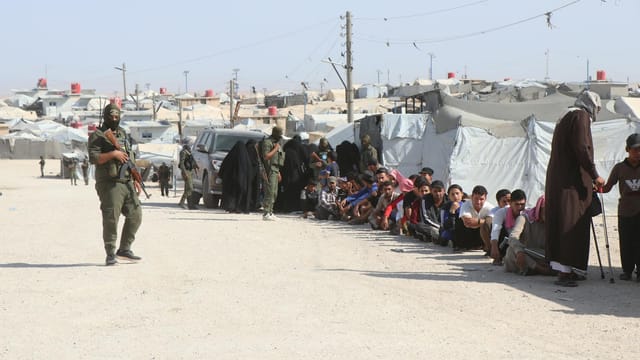
Iran has launched its 100th wave of attacks targeting U.S. and Israeli-linked energy infrastructure, marking a significant escalation in its strategy of economic warfare. The strikes focus on oil pipelines and refineries, aiming to disrupt global energy markets and challenge the efficacy of Western military deterrence in the region.
The $500 Million Daily Burn: Financial and Strategic Costs of the US-Iran Confrontation
A five-week military campaign against Iran has cost the U.S. over $31 billion, characterized by an unsustainable daily expenditure of $500 million. Beyond the financial toll, the loss of rare, long-lead-time assets like strategic radars and refueling tankers has exposed critical vulnerabilities in the U.S. military's regional infrastructure.

Brinkmanship in the Gulf: Tehran’s Counter-Ultimatum and the Fraying of American Deterrence
A high-stakes standoff between the Trump administration and Iran has reached a fever pitch, with both sides issuing conflicting 'final' deadlines. While Washington threatens devastating airstrikes, Tehran’s counter-demands and signs of internal U.S. military dissent suggest a deepening strategic quagmire for the White House.

The Hormuz Mirage: Why Trump’s Iranian Gamble is Unraveling
A 40-day military campaign against Iran has left the Trump administration in a strategic deadlock, facing unexpected Iranian resilience, a crippling maritime blockade, and plummeting domestic support ahead of the 2026 midterms.

Escalation in the Strait: Iranian Missile Barrage Forces U.S. Naval Pivot
A major Iranian missile and drone barrage has targeted a U.S. amphibious assault ship, marking a significant escalation in a prolonged cycle of regional violence. The incident has forced a tactical retreat of American naval assets, highlighting the growing effectiveness of Iran's asymmetric maritime strategies.

A New Era of Maritime Denial: Hezbollah Claims Cruise Missile Strike on Israeli Warship
Hezbollah has claimed a cruise missile strike on an Israeli warship 68 nautical miles off the coast of Lebanon, signaling a major technological escalation. The incident mirrors the 2006 attack on the INS Hanit but demonstrates a significantly increased range and surveillance capability. This strike underscores the growing anti-access/area-denial (A2/AD) threat posed by non-state actors in the Eastern Mediterranean.