
# China%20Finance
Latest news and articles about China%20Finance
Total: 50 articles found
China’s Great Deposit Migration: Why 250 Million Investors are Shifting the Nation’s Wealth Logic
China is witnessing a significant shift of household wealth from bank deposits to non-bank financial institutions and equity markets, with the A-share investor base reaching 250 million. While this 'deposit migration' provides a potential liquidity boost for capital markets, it coincides with a historic contraction in resident lending, reflecting a complex structural transition in the Chinese economy.
Stagnation at the Top: Can a New Chief Revive ABC-CA Fund’s Fading Fortunes?
ABC-CA Fund Management has appointed Sun Jiankun as its new General Manager to address a period of significant stagnation and structural imbalance. Despite its backing by one of China's largest banks, the firm has seen its equity assets shrink and its profitability nearly halved as it remains heavily reliant on low-margin fixed-income products.
Crypto’s Precarious Peak: Bitcoin Breaches $64,000 as Liquidations Haunt Retail Traders
Bitcoin and Ethereum have surged past $64,000 and $1,700 respectively, sparking a wave of optimism in digital asset markets. However, the rally triggered over 100,000 liquidations, highlighting the extreme risks facing leveraged retail traders in a volatile global economy.
Teeth and Thorns: China’s New Financial Czar Signals Aggressive Shift in Risk Management
The NFRA, under new leadership, has announced a stringent regulatory agenda focusing on preventing defaults in small banks and stabilizing the property sector through 'white list' financing. The strategy emphasizes 'teeth and thorns' enforcement and a pivot from scale-driven growth to high-quality financial stability.
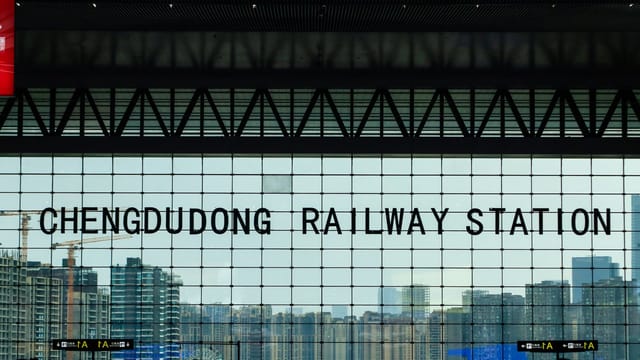
The Slow Implosion of a Green Giant: China’s Former Energy Star Faces Regulatory Ruin
Shenwu Energy Saving (*ST Jieneng) is under investigation by the CSRC for alleged disclosure violations after its stock price collapsed 90% from its historical peak. The company faces a dire future following four years of losses and a stalled attempt to remove its delisting risk warning.

The 'Tuition' Defense: Sanhua Intelligent’s Executive Sell-Off Sparks Governance Outcry
Sanhua Intelligent Controls is facing a public relations crisis after executives justified selling millions in stock at peak prices by citing 'children's education' costs. The divestments occurred just before a significant slowdown in profit growth and a 20% drop in share price, raising concerns over corporate governance.
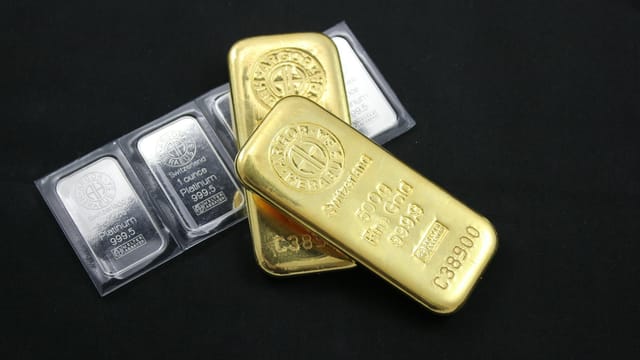
The Gilded Retreat: China’s Gold Sector Faces a $20 Billion Reality Check
China's gold sector is experiencing a severe downturn with stock prices for major miners like Shandong Gold falling by more than 50% this year. In response, major shareholders have canceled divestment plans, while regulators and banks are easing trading restrictions to stabilize the market and attract retail buyers.
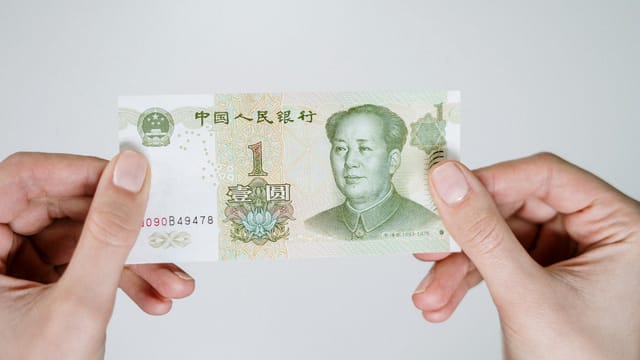
China’s ‘Silver’ Investors and the End of Caveat Emptor: Courts Hold Banks Liable for Wealth Management Losses
Chinese courts are increasingly holding banks liable for investment losses when they fail to strictly adhere to 'suitability' protocols, particularly regarding elderly investors. While 'buyer beware' remains a core market principle, banks must now provide exhaustive proof of risk disclosure and compliance to avoid significant compensation claims.

Breaking the Glass Ceiling: Ding Xiangqun to Lead China’s Financial Super-Regulator
Ding Xiangqun has been appointed as the Party Secretary of the National Financial Regulatory Administration, making her the first woman to lead China's primary financial oversight body. With a career spanning banking, insurance, and provincial governance, her appointment emphasizes Beijing's desire for cross-disciplinary expertise at the helm of its financial stability efforts.
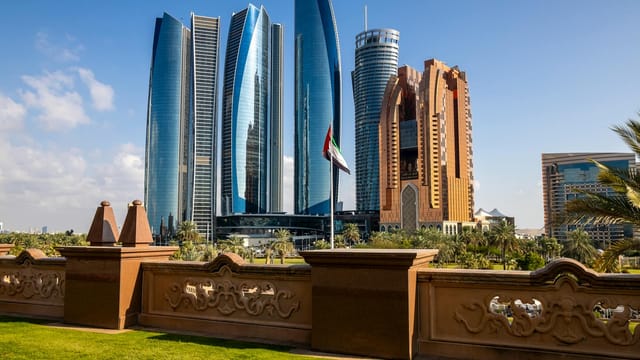
Sovereign Wealth Meets Market Turbulence: The Freefall of *ST Sanfang and the Perils of A-Share Investing
Jiangsu Sanfangxiang poly-materials (*ST Sanfang) has plunged over 50% following 14 consecutive limit-down sessions after receiving a disclaimer of opinion from auditors. The Abu Dhabi Investment Authority is caught in the downturn as a major shareholder, highlighting the risks of investing in distressed Chinese industrial firms.

A-Shares’ Trillion-Yuan Tug-of-War: ChiNext Recovers as Market Breadth Deteriorates
China's ChiNext Index staged a late-day recovery supported by a massive 3.24 trillion RMB turnover, though over 4,000 stocks declined. Market capital is currently rotating out of speculative software and memory plays into physical AI hardware and energy infrastructure.
The Death of a Phoenix: How China’s Most Notorious Shell Company Finally Ran Out of Lives
The delisting of *ST Rock (600696) marks the end of a 33-year history of market manipulation and shell survival on the Shanghai Stock Exchange. Long known as the 'undying phoenix' for its ability to avoid delisting through constant rebranding, the company finally succumbed to China's modernized, stricter regulatory environment.