
# China%20tech
Latest news and articles about China%20tech
Total: 69 articles found

Baidu’s High-Stakes AI Gamble: Massive Write-Downs, Shrinking Ads and an Uncertain Payoff
Baidu’s 2025 results reveal a painful transition from search advertising to AI-driven products: revenue fell to ¥129.1 billion and net profit plunged 76% after a ¥16.2 billion impairment on obsolete compute. While AI revenue grew strongly, it has not yet replaced lost ad income and the company faces intense competition and uncertainty over AI unit economics.

From Phone to Person: Honor Unveils 'RobotPhone' at MWC, Pushing AI from Screen into the World
Honor used MWC to unveil a RobotPhone and humanoid robot that embody a new direction for consumer AI: moving intelligence out of apps and into physical, interactive devices. Backed by Qualcomm’s remarks on accelerating personal AI, the demonstration signals closer hardware‑software alignment and raises questions about adoption, safety and the economics of embodied intelligence.

Longli Says It Has No TV Business, But Confirms Ongoing RGB Mini‑LED R&D
Longli Technology has confirmed it currently does not operate in the TV market while disclosing ongoing R&D into RGB Mini‑LED display technology. The company’s statement cools short‑term revenue expectations but signals a strategic interest in higher‑end, direct‑emissive displays that would require significant time and investment to commercialise.
Cambricon Returns to Profit as AI-Compute Boom Sends Revenue Soaring
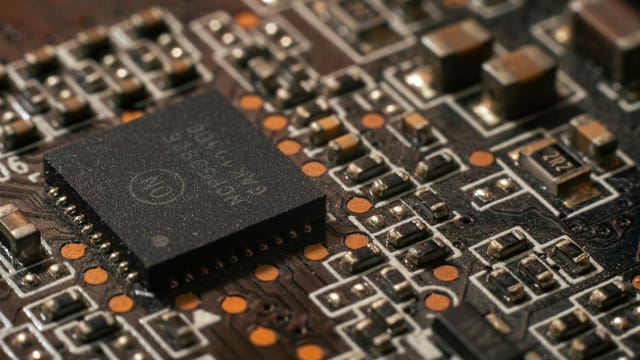
Cambricon posted revenue of RMB 6.497 billion and net profit of RMB 2.059 billion for 2025, reversing last year’s loss after revenue surged 453% as AI compute demand climbed. The result highlights the commercialization of China’s AI chip industry but leaves questions about sustainability, customer concentration and supply‑chain risks.

Meizu Pauses In‑House Phone Hardware Development, Bets on AI and Third‑Party Partners
Meizu has halted in‑house development of new domestic smartphone hardware projects due to fierce competition and soaring memory prices, and is seeking third‑party hardware partners while pivoting toward AI‑driven software centred on its Flyme OS. The shift reflects broader cost pressures and consolidation trends in China’s smartphone industry.

Meizu Retreats from In‑House Phone Hardware to Focus on AI and Flyme Ecosystem
Meizu has halted in‑house R&D for new domestic smartphone hardware and will seek third‑party manufacturing partners while shifting strategy toward AI‑driven software built around its Flyme platform. The move reflects mounting cost pressure and market contraction that favour software and ecosystem plays over standalone hardware efforts by smaller vendors.

Meizu Denies Bankruptcy Rumours as Smartphone Sector Faces Fresh Credibility Test
Meizu has publicly denied viral online claims that it is bankrupt, halting operations, or withdrawing its phones from sale, and said it will seek legal action against rumour‑mongers. The rebuttal aims to stabilise partners and customers but does not resolve the structural commercial pressures facing mid‑tier Chinese handset makers.

Tencent’s “Yuanbao” Reports 50m Daily Users, 114m Monthly — A Fresh Surge in China’s Attention Market
Tencent announced that Yuanbao has exceeded 50 million daily active users and 114 million monthly active users, reporting a strong engagement ratio. While the figures signal notable audience scale, their commercial significance hinges on monetisation, user composition, and regulatory constraints.
Guerrilla Robotics: How Songyan Dynamics Plans to Turn Humanoid Robots into Household Appliances
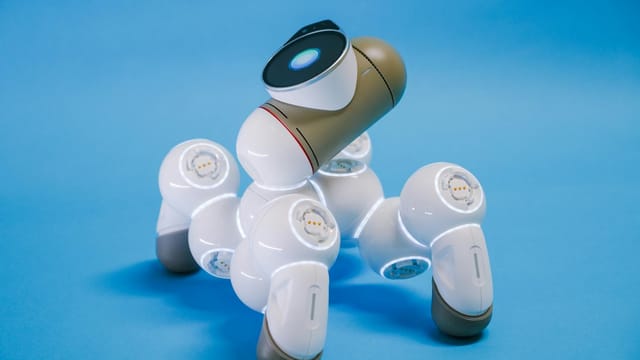
Songyan Dynamics, a two-year-old Chinese robotics start-up led by Tsinghua dropout Jiang Zheyuan, is pushing to scale humanoid robots into households by combining low-cost domestic models with higher-priced exports. Backed by strategic branding and a lean "guerrilla" team, the company aims to capitalize on an industry shift from demo-driven hype to deliveries and financial metrics as trackers predict rapid shipment growth in 2026.

Robots on the Spring Gala: China’s Industrial AI Pays a Price for Publicity
China’s Spring Festival Gala has become a major stage for robotics firms chasing public attention, but the industry still faces fundamental commercial challenges. High-profile performances generate emotional value without addressing core needs such as repeatable deployments, cash-flow sustainability, and industrial reliability.
China’s Spring Gala Puts Humanoid Robots Center Stage — Embodied AI Moves From Lab to Spotlight
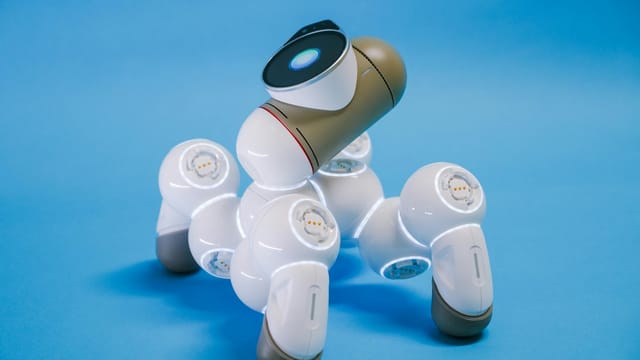
China’s Spring Festival Gala prominently featured humanoid robots whose stage performances were presented as signs that embodied intelligence is moving from innovation into industry. Firms showcased advances in facial actuators, dynamic balance and large embodied datasets, a combination that could accelerate commercialization but raises questions about robustness, safety and regulation.

Robots Steal the Show at China’s New Year Gala — and Send Consumer Orders Soaring
Robotic performances at China’s Spring Festival Gala triggered a surge in consumer demand — orders jumped about 150% and several models sold out within minutes. The televised showcase amplified commercial interest in domestic robotics while prompting debate over reliability, safety and the broader geopolitical signal of China’s tech ambitions.