Beijing’s Golden Hedge: PBOC Bullion Spree Hits 18-Month Milestone

China’s central bank has increased its gold reserves for 18 straight months, reaching 74.64 million ounces by April 2026. This move, coupled with foreign exchange reserves rising to $3.41 trillion, highlights Beijing's strategy to diversify away from the dollar amid global market volatility.

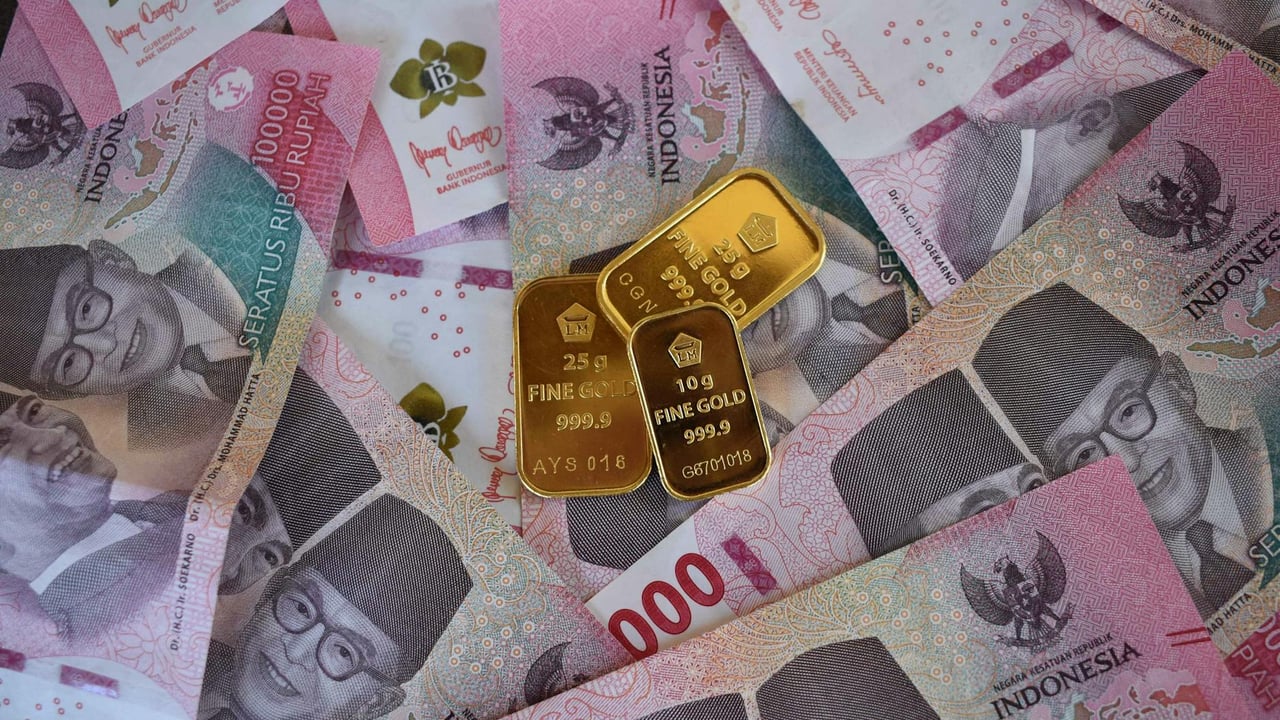
Close-up of Indonesian Rupiah banknotes with fine gold bars, symbolizing wealth and investment.

Key Takeaways

  • 1The PBOC has added to its gold reserves for 18 consecutive months as of April 2026.
  • 2Total foreign exchange reserves rose to $3.41 trillion, a 2.05% increase from the previous month.
  • 3The increase in FX reserves was primarily driven by a weaker U.S. dollar and asset price appreciation.
  • 4China's gold holdings now stand at 74.64 million ounces, reflecting a long-term diversification strategy.
  • 5Precious metals overall saw significant gains, with silver notably reaching $80 per ounce.

Editor's
Desk

Strategic Analysis

The PBOC’s 18-month gold-buying streak is a clear manifestation of 'financial de-risking.' By consistently swapping dollar-denominated assets for bullion, Beijing is insulating its economy from the volatility of Western monetary policy and the potential risks of financial sanctions. This structural shift is no longer a temporary reaction to market cycles but a permanent realignment of China’s reserve management. As the 'de-dollarization' narrative gains traction across the BRICS+ bloc, China’s actions provide a blueprint for other emerging economies looking to reduce their reliance on the U.S. financial hegemony. The rise in total reserves to over $3.4 trillion further provides the PBOC with the 'dry powder' necessary to defend the yuan's exchange rate should global capital flows turn volatile.

China Daily Brief Editorial
Strategic Insight
China Daily Brief

The People’s Bank of China (PBOC) has extended its marathon gold-buying campaign into an 18th consecutive month, signaling a deep-seated commitment to diversifying its massive reserve portfolio away from the U.S. dollar. As of the end of April 2026, the central bank’s gold holdings reached 74.64 million ounces, a steady accumulation that reflects a broader strategic pivot toward hard assets in an increasingly fractured global financial landscape.

Simultaneously, China’s total foreign exchange reserves climbed to $3.41 trillion, marking a significant monthly increase of $68.4 billion. While the headline figure suggests a robust inflow, much of the 2.05% gain is attributed to the 'valuation effect.' A softening U.S. dollar in April led to an appreciation of non-dollar assets when measured in greenbacks, alongside a general rally in global financial markets.

This prolonged accumulation of gold occurs against a backdrop of heightened geopolitical uncertainty and shifts in U.S. monetary policy expectations. With spot silver hitting $80 per ounce and gold prices remaining resilient, Beijing is positioning itself against potential inflationary pressures and the weaponization of the dollar-based payment system. The persistent nature of these purchases suggests that the PBOC views gold not merely as a tactical hedge, but as a core pillar of long-term economic security.

Domestically, the expansion of reserves is being framed as a testament to the resilience and 'vitality' of the Chinese economy. By maintaining a stable and growing reserve base, Beijing aims to bolster international confidence in the yuan while providing a buffer against external shocks. As major economies grapple with divergent interest rate paths, China’s golden hoard serves as a highly visible form of financial insurance.

Share Article

Related Articles

📰
No related articles found