
# Defense%20Policy
Latest news and articles about Defense%20Policy
Total: 42 articles found

Actions Speak Louder: Beijing Signals Deepening Mistrust of Tokyo’s Regional Ambitions
China's Foreign Ministry has issued a sharp critique of Japan, stating that Tokyo's actions are more important than its rhetoric. The statement underscores Beijing's growing skepticism regarding Japan's military expansion and its strategic alignment with Western powers.
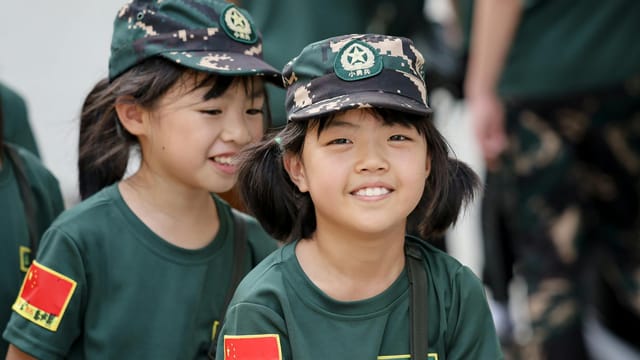
The Mind as a Battlefield: China’s PLA Reimagines Psychological Resilience as a Combat Asset
China's military is pivoting its psychological services from basic mental health care to a strategic combat function aimed at 'cognitive warfare.' This shift integrates psychological resilience with ideological training to prepare a new generation of soldiers for the high-stress environment of intelligentized, modern conflict.
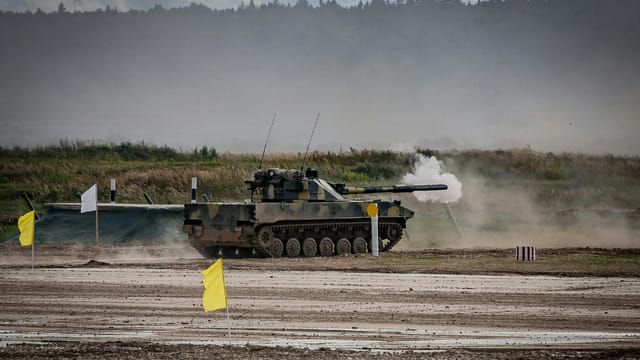
Tradition as a Catalyst: How the PLA’s ‘Qingzhou Company’ Bridges Revolutionary History and Mechanized Warfare
The PLA's 'Qingzhou Company' exemplifies China's military modernization by blending advanced mechanized warfare and drone technology with deep-seated revolutionary history. This narrative underscores how the Chinese military uses 'Red Heritage' to motivate soldiers through the difficult transition from traditional infantry to high-tech armored units.
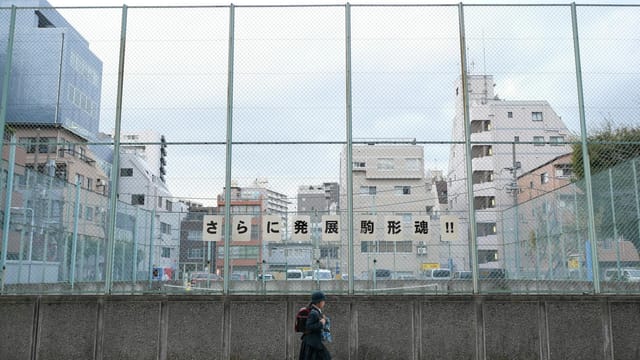
The Takaichi Doctrine: Japan’s ‘Grey Rhino’ and the End of Pacific Pacifism
Japan's rapid military expansion under Prime Minister Sanae Takaichi is being characterized by Beijing as a 'Grey Rhino' threat to regional peace. The shift includes reaching the 2% GDP defense spending milestone and redefining Taiwan's security as a vital Japanese interest, marking the end of Tokyo's post-war pacifist constraints.
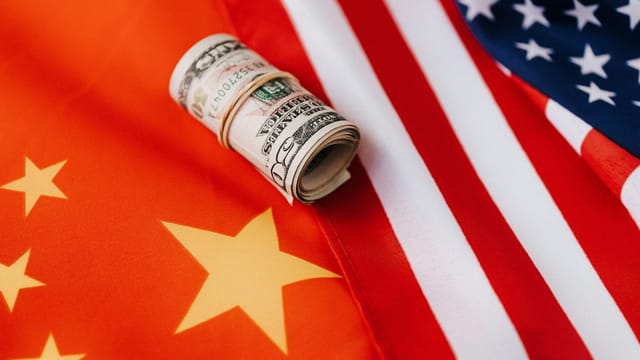
Echoes of the Past: Beijing Warns Asia-Pacific Against Japan’s ‘New-Type Militarism’
China has called on Asia-Pacific countries to resist Japan’s 'new-type militarism,' framing Tokyo’s defense modernization as a threat to regional peace. The rhetoric reflects deepening tensions as Japan pivots away from its post-war pacifism in response to a changing security landscape.

Pacifist Undercurrents: Why Japan’s Push for Arms Exports Faces Public Friction
A new NHK poll shows that 52% of Japanese citizens oppose the export of lethal weapons, highlighting a significant gap between the government's military modernization goals and the public's enduring pacifist values. This resistance complicates Tokyo's efforts to revitalize its defense industry and deepen international security partnerships.

Seoul’s Military Sovereignty: Defense Minister Signals Accelerated Exit from US Command
South Korean Defense Minister Ahn Kyu-back has announced that the nation is fully prepared to accelerate the reclaiming of wartime operational control from the United States. A definitive timeline for this historic military transition is expected to be finalized during the 58th Security Consultative Meeting later this year.

Breaking Post-War Taboos: Japan Deploys Missile Power in the South China Sea
Japan has marked a historic shift in its post-war defense posture by firing Type 88 surface-to-ship missiles during the Balikatan exercises in the Philippines. This first-ever overseas missile launch signifies Tokyo's transition into a more assertive regional security partner alongside the U.S. and Manila.

The Rise of the Algorithmic Hegemon: Washington’s Quest for Automated Dominance
The U.S. Pentagon has deployed 100,000 AI agents under the 'Genesis Mission,' a massive effort to transition from platform-centric to algorithm-centric warfare. While intended to provide absolute decision advantage, the rapid automation of the kill chain has led to significant ethical concerns and catastrophic civilian casualties due to data errors and diminished human oversight.

Beijing’s Strategic Warning: Japan’s Military Pivot Hits a Diplomatic Wall
China has issued a formal warning to Japan, urging it to maintain its post-war pacifist commitments and avoid military expansion. The statement reflects Beijing's growing concern over Tokyo's strengthening security ties with the West and its evolving defense capabilities.

Exodus from the Cockpit: South Korea’s Air Force Faces a Growing Brain Drain to Civil Aviation
Nearly 900 veteran South Korean Air Force pilots have resigned over the past decade to join commercial airlines, seeking higher pay and less stress. Despite mandatory service requirements of up to 15 years, most elite pilots are exiting the military as soon as they are legally eligible, creating a significant experience gap in the nation's aerial defense.

Japan’s Security Pivot: Dismantling the Pacifist Guardrails of the Post-War Era
Japan is aggressively moving away from its post-war pacifist constraints, seeking to normalize its military status and revise its constitution. This shift, driven by conservative political goals, is raising alarms regarding regional stability and a potential arms race in East Asia.