
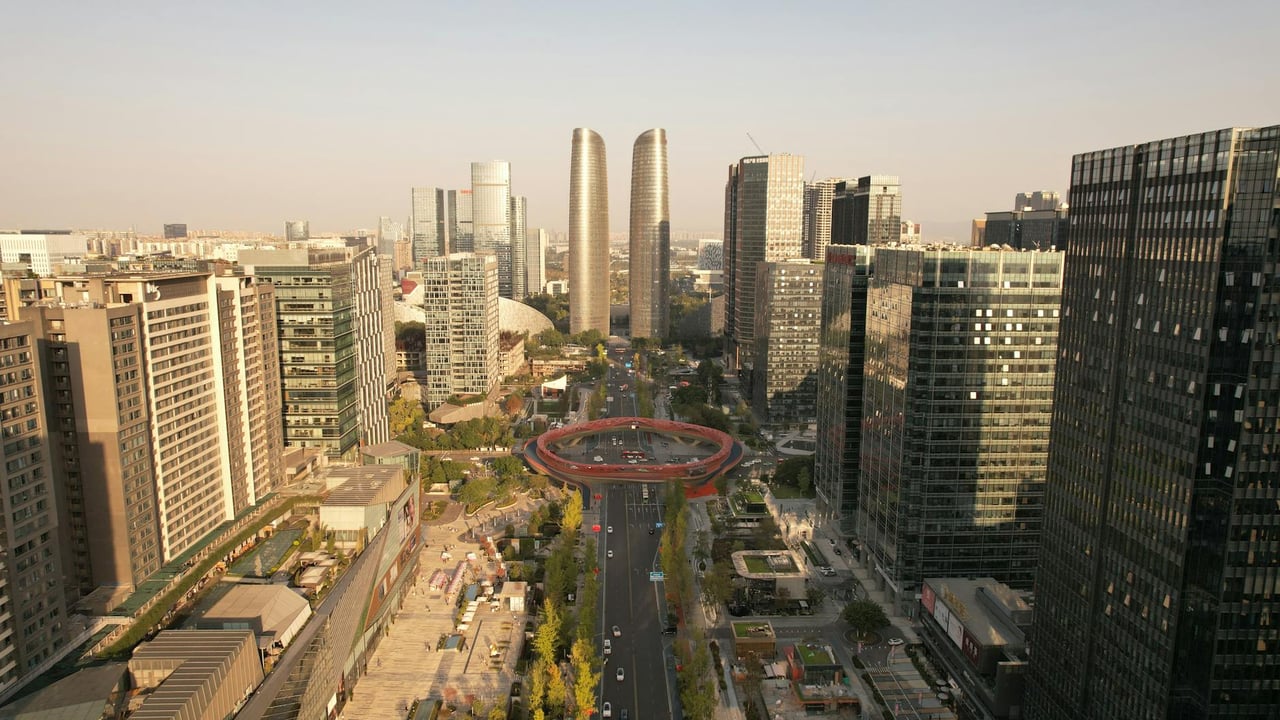

In early April, Chengdu emerged as the focal point of a strategic westward migration for China’s technology giants. This shift, colloquially dubbed the “Journey to the West,” was punctuated by three significant developments: the opening of Xiaomi’s first Western industry-education integration base, the launch of state-of-the-art virtual production studios, and a massive talent recruitment drive featuring over 70 tech titans. These moves signal a profound evolution in how inland China competes with coastal hubs like Shenzhen and Hangzhou.
Xiaomi’s new facility in the Chengdu High-Tech Zone represents a shift from simple regional expansion to a deep-rooted "industry-education" model. By partnering with local institutions, the tech giant is no longer just hiring talent but actively cultivating it, creating a closed-loop ecosystem that bridges the gap between academic theory and industrial supply chains. This move leverages Chengdu’s long-standing relationship with tech pioneers, dating back to Lei Jun’s early investments in the city over two decades ago.
Simultaneously, Chengdu is positioning itself as the infrastructure backbone for China’s next-generation digital content. The newly opened East Eighth District Film and Television Creative Park features high-resolution motion capture stages and massive 180-degree LED virtual production screens. By providing these "hardcore" technical platforms, the city significantly lowers the trial-and-error costs for smaller creative studios and IP owners, allowing them to produce Hollywood-level digital effects without the prohibitive capital expenditure of building their own facilities.
Perhaps the most compelling draw for firms like Tencent, ByteDance, and Bilibili is Chengdu’s demographic profile. The city has consistently ranked as the most popular destination for China’s "Gen Z" (the post-00s generation), offering a lifestyle that balances career ambition with high livability. This demographic alignment is critical for the digital culture industry, which relies on "digital artisans" who are fluent in the language of AI, short-form video, and immersive gaming.
Chengdu’s rise is supported by a robust policy framework, specifically a "1+4" support package that covers everything from project incubation to IP transformation. With the city's digital culture industry revenue reaching over 413.9 billion RMB, Chengdu is no longer an outlier in the tech landscape. Instead, it has become a primary engine for domestic innovation, proving that China’s inland cities can offer the sophisticated infrastructure and talent density required to rival the traditional coastal powerhouses.