
# Israel
Latest news and articles about Israel
Total: 594 articles found

Tehran Accuses Washington of Complicity as Israeli Strikes on Lebanon Destabilize the 'Comprehensive Peace'
Iran has condemned Israeli military actions in Lebanon as terrorist acts and held the United States directly responsible for the escalation. Tehran claims the violence violates a diplomatic understanding regarding a multi-front ceasefire and warns of imminent consequences for regional peace.

Trump’s Strategic Pivot: Iranian Missiles and the New Middle East Realignment
President Trump has signaled a major policy shift by stating he does not oppose Iran's possession of ballistic missiles, citing regional proportionality with neighbors like Saudi Arabia. This move contradicts previous U.S. military objectives and has created a significant diplomatic rift with Israel.

Trump’s Strategic Pivot: A Surprise Concession on Iran’s Ballistic Arsenal
President Trump has signaled a major policy shift by stating he does not oppose Iran's possession of ballistic missiles, citing regional fairness. This reversal follows a U.S.-Iran memorandum of understanding that excludes missile restrictions, sparking significant tension with Israel.

The Great Decoupling: Trump’s Secret Iran Deal Leaves Israel in the Cold
The United States has reportedly blocked Israel from reviewing the details of a landmark Memorandum of Understanding with Iran, signaling a historic rift in the bilateral alliance. As a signing ceremony involving Vice President JD Vance approaches, the deal's reported terms face intense opposition from a sidelined Israeli leadership and complicating demands from Hezbollah.

Trump’s Red Line: Inside Israel’s Aborted Mega-Strike on Iran
Israel reportedly canceled a massive airstrike on hundreds of targets in Iran just one hour before takeoff on June 8th. The mission was aborted following a direct intervention by President Trump, highlighting a strategic tension between Israeli military objectives and American regional policy.

Chinks in the Iron Shield: Iran’s Missile Salvo Challenges Israel’s Myth of Air Invincibility
Iran’s massive missile strike on Israeli airbases, including Nevatim, has exposed significant vulnerabilities in Israel's celebrated multi-layered air defense network. The successful targeting of facilities housing F-35 and F-16 fighters suggests that high-velocity saturation attacks can bypass existing interceptors, forcing a strategic reassessment of regional security.

Transactional Zionism: Trump Issues a Sharp Reminder of Israeli Debt to Mar-a-Lago
Donald Trump has publicly criticized Israel, claiming the nation would not exist today if not for his presidency. The comments highlight a shift toward a more transactional relationship where U.S. support is tied to personal loyalty and political reciprocity.
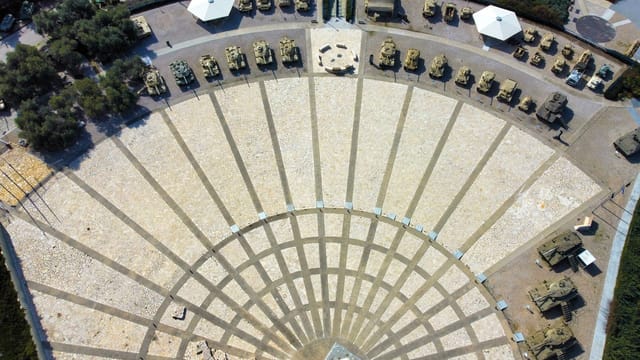
The Shroud of Paris: Israel’s Defense Giants Silenced at Eurosatory
France has effectively neutralized the Israeli presence at the Eurosatory defense exhibition by covering booths with curtains following a government ban. The move reflects deepening diplomatic tensions over the conflict in Gaza and signals a shift toward using major industrial forums for political leverage.

A Diplomatic Decoupling: Netanyahu Disclaims Knowledge of Emerging U.S.-Iran Accord
Israeli Prime Minister Benjamin Netanyahu has publicly denied knowledge of the terms regarding a new diplomatic arrangement between the United States and Iran. This move highlights a deepening strategic divide between the two allies as Washington seeks to de-escalate nuclear tensions through an interim accord.
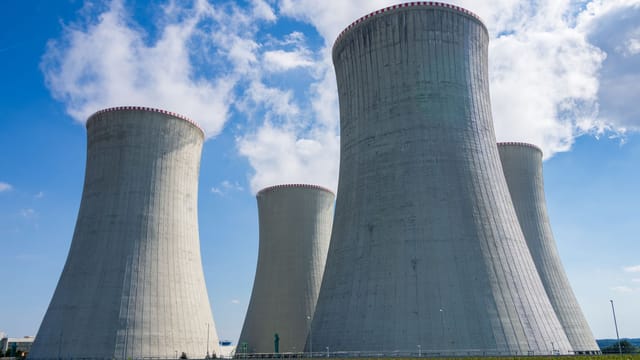
Strategic Friction: Israel Denounces U.S. Concessions in Looming Iran Nuclear Pact
Senior Israeli officials have warned that a pending Memorandum of Understanding between the U.S. and Iran jeopardizes regional security by making significant concessions. The deal reportedly allows for the dilution rather than removal of enriched uranium and fails to address Iran's ballistic missile capabilities.

The Lebanon Disconnect: Israel Vows to Stay Despite Looming US-Iran Deal
Prime Minister Netanyahu has informed President Trump that Israel will not be bound by any U.S.-Iran agreements concerning Lebanon. The IDF plans to maintain its military presence and continue operations against Hezbollah regardless of diplomatic shifts in Washington.

Jerusalem’s Defiance: Netanyahu Rejects Lebanon Provisions in Landmark US-Iran Accord
Prime Minister Benjamin Netanyahu has announced that Israel is not bound by the Lebanon-related clauses of the recent US-Iran agreement, confirming that the IDF will not withdraw from its current positions. This defiance highlights a major strategic gap between US diplomatic goals and Israeli security priorities, potentially undermining regional stabilization efforts.