
# Sanae%20Takaichi
Latest news and articles about Sanae%20Takaichi
Total: 89 articles found

Six Months of Silence: How Sanae Takaichi’s Hawkish Turn Has Frozen Tokyo-Beijing Ties
Six months after PM Sanae Takaichi’s provocative remarks on Taiwan, Japan-China relations remain at a historic low characterized by economic retaliation and a breakdown in high-level dialogue. The situation is further strained by Japan's shifts in nuclear and arms export policies, making a diplomatic breakthrough at upcoming summits unlikely.

The Gavel’s Echo: Why the Tokyo Trials Remain a Geopolitical Flashpoint 80 Years On
On the 80th anniversary of the Tokyo Trials, Chinese analysts warn that Japan is entering a dangerous phase of 'Neo-Militarism' characterized by historical revisionism and aggressive rearmament. The legacy of the post-war tribunal is being leveraged as a crucial legal barrier against Tokyo's attempts to dismantle the pacifist order and expand its military influence in the Asia-Pacific.

Echoes of the Past: Japan’s Bold Pivot Toward Centralized Intelligence and Space Defense
Japan is undergoing a major structural shift in its security apparatus, establishing a CIA-style National Intelligence Agency and expanding its military into the space domain. These moves, championed by the Takaichi administration, have sparked intense debate over the erosion of Japan's pacifist constitution and the rise of neo-militarism.
Japan’s Security Pivot: Dismantling the Pacifist Guardrails of the Post-War Era
Japan is aggressively moving away from its post-war pacifist constraints, seeking to normalize its military status and revise its constitution. This shift, driven by conservative political goals, is raising alarms regarding regional stability and a potential arms race in East Asia.
Takaichi’s Pivot: Japan’s New Militarism and the Dismantling of Pacifist Taboos
Prime Minister Sanae Takaichi is leading a systemic shift in Japanese policy, authorizing lethal weapon exports and centralizing intelligence capabilities. These moves, combined with ritual tributes to the Yasukuni Shrine, signal a determined push to abandon post-war pacifism and revise the nation's constitution.
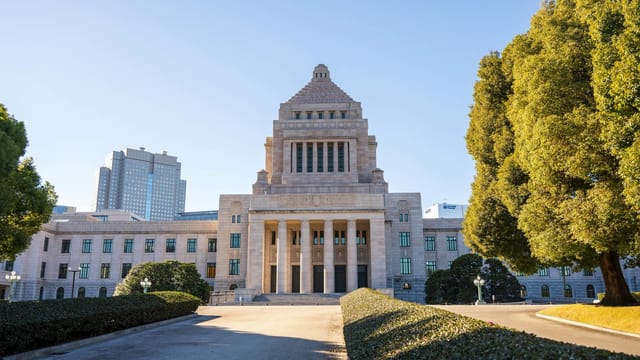
Echoes of the Tokko: Japan’s Intelligence Overhaul Stirs Historical Ghosts
Japan's House of Representatives has approved the creation of a centralized National Intelligence Agency under the Prime Minister's direct control. The move has sparked fierce debate over the potential return of pre-war surveillance tactics and the further erosion of Japan's pacifist defense posture.

Japan’s Lethal Turn: Dismantling the Pacifist Shield in a New Era of Rearmament
Japan has formally lifted its ban on the export of lethal weapons, marking a historic shift in its post-war security posture. The Takaichi administration aims to revitalize the domestic defense industry and strengthen regional military alliances through this controversial deregulation.
Tokyo’s Martial Pivot: Japan Ends Eight Decades of Restraint to Enter the Global Arms Market
Japan has officially authorized the export of lethal weaponry, marking a definitive end to its decades-old ban on arms sales. This policy shift aims to revitalize Japan's defense industry and strengthen regional alliances against China, while simultaneously testing the limits of its pacifist constitution.
Japan’s Lethal Pivot: Takaichi Administration Dismantles the Last Pillars of Pacifism
Japan has formally lifted its ban on exporting lethal weaponry, marking a historic shift in its post-war security posture. The policy change aims to revitalize the domestic defense industry and build stronger military ties with regional allies, while drawing sharp criticism for abandoning pacifist traditions.
Pacifism Under Pressure: Mass Protests Greet Japan’s Hawkish Pivot
Mass protests erupted at the Japanese Diet as citizens voiced opposition to the Takaichi government's record 9 trillion yen defense budget and its moves to lift weapon export restrictions. The demonstrations underscore a significant national debate over Japan's transition away from its traditional pacifist constitutional constraints.
Tokyo’s Pacifist Shield Fractures: Protests Flare as Japan Abandons Decades of Military Restraint
Tens of thousands of Japanese citizens protested in Tokyo against the Takaichi government's record defense spending and the loosening of weapons export restrictions. The movement reflects deep-seated public concern over the erosion of Japan's pacifist constitution and the potential for increased regional instability.

Straitened Relations: Japan’s Naval Transit Sparks a New Crisis in the Taiwan Strait
A transit by the Japanese destroyer Ikazuchi through the Taiwan Strait has drawn fierce condemnation from Beijing, highlighting escalating regional tensions and a shift in Japan’s maritime strategy under the Takaichi administration.