
# U.S.%20Navy
Latest news and articles about U.S.%20Navy
Total: 58 articles found
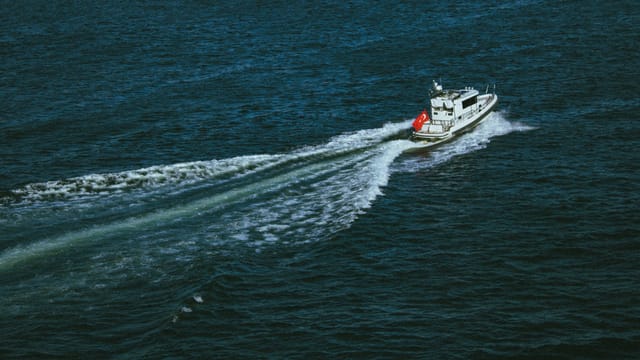
Gunboat Diplomacy: Trump Threatens Force as Iran Tightens Grip on Hormuz
Iran's seizure of two commercial vessels in the Strait of Hormuz has triggered a sharp escalation, with President Trump threatening to sink Iranian boats and deploying a third aircraft carrier to the region. The standoff marks a critical juncture in the ongoing maritime conflict, pitting Iran's asymmetric tactics against a massive U.S. naval buildup.
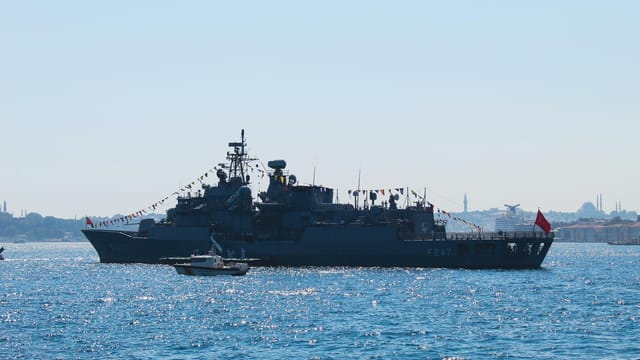
Brinkmanship in the Gulf: Trump Issues ‘Shoot-to-Sink’ Directive for the Strait of Hormuz
Donald Trump has ordered the U.S. Navy to sink any vessels found laying mines in the Strait of Hormuz and has tripled the scale of minesweeping operations. This directive represents a significant escalation in maritime rules of engagement aimed at securing global oil transit routes.
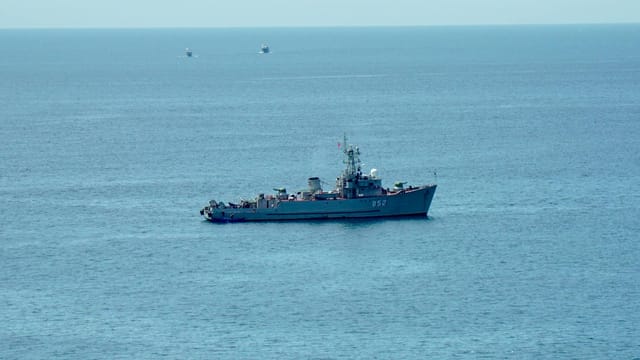
Sieve in the Sand: U.S. Naval Blockade of Iran Fails to Stem Maritime Traffic
A U.S. naval blockade of Iran is facing significant integrity issues, with 26 vessels successfully bypassing military cordons in a single week. The situation underscores the tactical difficulties of maritime enforcement as Tehran continues to use the Strait of Hormuz as a strategic lever.
Midnight Interdiction: U.S. Navy Release Signals Escalation in Maritime Standoff with Iran
The U.S. military has released footage of a night-time helicopter raid on an Iranian cargo ship, emphasizing its tactical capabilities in contested waters. This move serves as a direct signal of deterrence amid ongoing maritime tensions and efforts to curb illicit regional arms flows.

Chokepoint Crisis: Iran Shuts the Strait of Hormuz as Maritime Standoff Escalates
Iran has officially closed the Strait of Hormuz in response to a U.S. naval blockade, leading to immediate military tensions and a massive sell-off in cryptocurrency markets. With commercial ships reportedly coming under fire and the U.S. declaring Iran's maritime trade 'completely cut off,' the region faces its most significant security crisis in years.
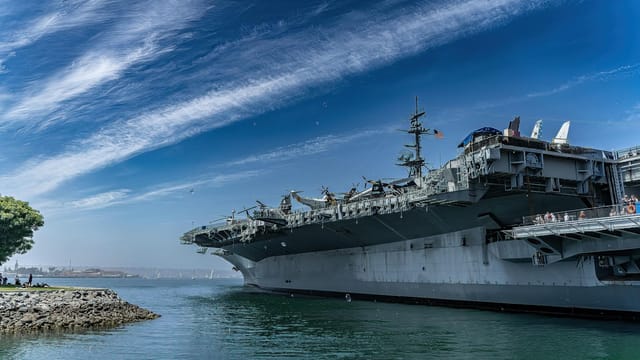
Shift in the Sands: USS Gerald R. Ford Transitions to the Red Sea Amid Pivoting Middle East Tensions
The USS Gerald R. Ford aircraft carrier has transitioned from the Eastern Mediterranean to the Red Sea through the Suez Canal. This move highlights a strategic shift toward protecting vital shipping lanes and addressing maritime security threats in the Bab el-Mandeb region.
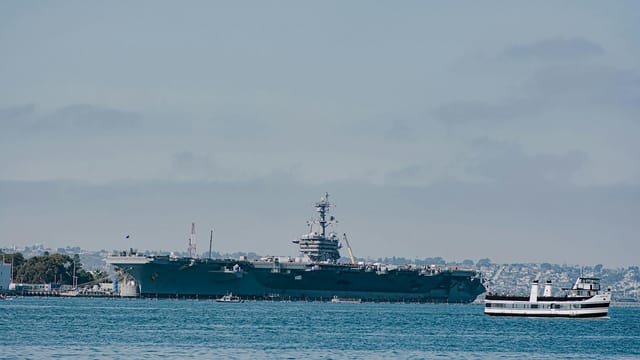
A Troubled Fleet: Costly Crashes and Shipboard Fires Strain U.S. Naval Readiness
The U.S. Navy has reported a string of costly mishaps, including fires on the USS Eisenhower and USS Ford, alongside the crash of a $240 million MQ-4C Triton drone. These incidents underscore systemic maintenance challenges and the financial vulnerability of high-end unmanned surveillance platforms in contested regions.
Washington’s Global Dragnet: The U.S. Declares Universal Maritime Blockade on Iranian Trade
The U.S. military has expanded its maritime blockade of Iran to a global scale, authorizing the seizure of Iranian-linked cargo, including oil and electronics, in any international waters. Backed by 10,000 troops and 16 warships, the Pentagon has warned it will use force to ensure compliance with these new universal interdiction rules.
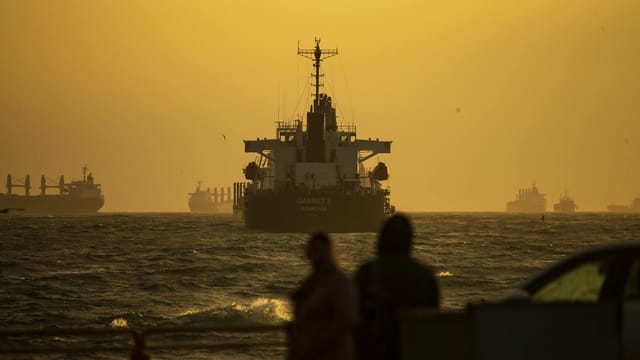
The Leak in the Blockade: How Iran’s ‘Dark Fleet’ Bypasses Washington’s Hormuz Chokepoint
While the U.S. Navy enforces a strict blockade on the Strait of Hormuz, Iran is successfully bypassing the chokepoint using an offshore 'dark fleet' and transshipment hubs near Malaysia. Despite the interception of several tankers, Tehran continues to move millions of barrels through indirect networks, even as the U.S. attempts to capitalize on the conflict by surging its own crude exports.

Brinkmanship in the Strait: Iran Threatens U.S. Vessels Amid Escalating Port Blockade
Iran has threatened to sink U.S. warships following a new maritime blockade on Iranian ports. While military tensions rise, back-channel negotiations in Islamabad suggest a possible compromise involving shipping lane adjustments in the Strait of Hormuz.
Trump’s Strategic Theater: Why Markets Are Betting on a 'Peace' That Has Not Yet Arrived
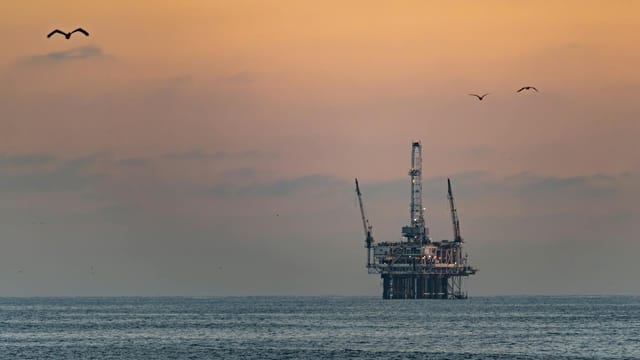
Donald Trump’s announcement of the end of the Iran war has triggered a massive sell-off in oil and a rally in equities, though military blockades continue. Analysts suggest the move is a tactical de-escalation to facilitate a second round of negotiations in Pakistan while maintaining maximum pressure.
Naval Chess: Washington’s High-Stakes Maritime Blockade of Iran
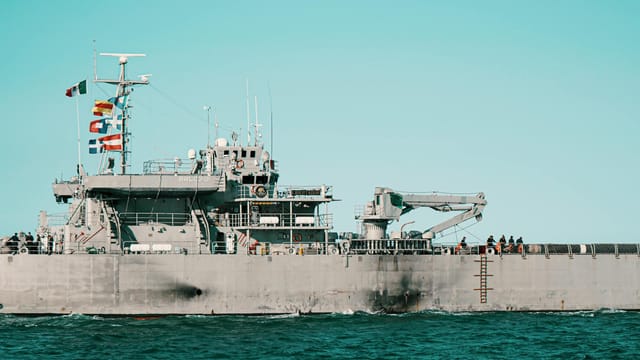
The United States has deployed a 16-ship naval task force to the Middle East to enforce a newly announced blockade of Iranian ports. While the fleet currently remains outside the Persian Gulf, the move signals a major escalation in maritime pressure against Tehran.