
# USS%20Abraham%20Lincoln
Latest news and articles about USS%20Abraham%20Lincoln
Total: 33 articles found
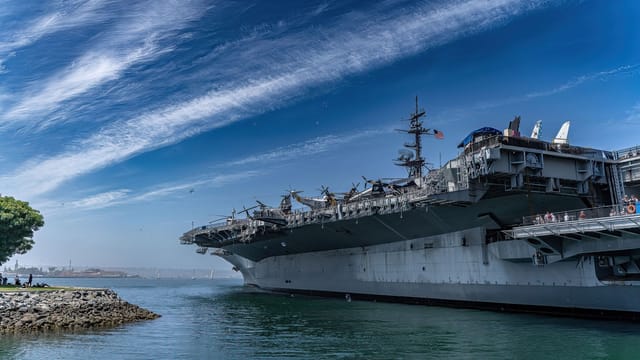
The Lone Sentinel: US Maritime Blockade Tightens the Noose on Iran
The USS Abraham Lincoln is currently leading a concentrated U.S. maritime blockade in the Arabian Sea, having already rerouted 122 commercial vessels to enforce sanctions against Iran. This operation marks a significant escalation in active maritime interdiction and highlights the continued U.S. strategy of regional containment.
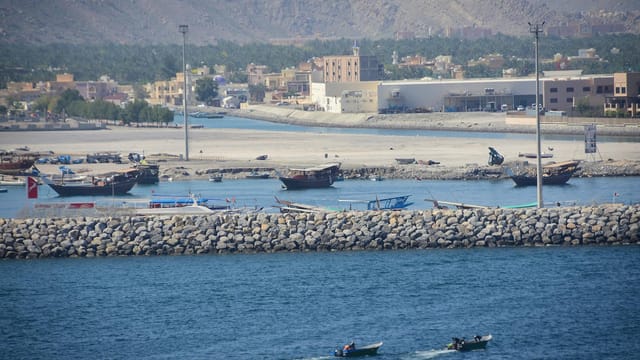
Tactical Fire, Strategic Friction: The US Navy Disables Iranian Tanker in Widening Blockade
U.S. carrier-based aircraft disabled an Iranian oil tanker in the Gulf of Oman to enforce an ongoing maritime blockade. The precision strike marks a significant escalation in kinetic enforcement against Iranian shipping in international waters.

From Tehran to Havana: Trump’s Revived Gunboat Diplomacy Targets Cuba
President Trump has increased sanctions on Cuba and threatened a military intervention involving the USS Abraham Lincoln carrier strike group. This pivot suggests a new phase of aggressive 'maximum pressure' in the Caribbean following the end of operations in Iran.
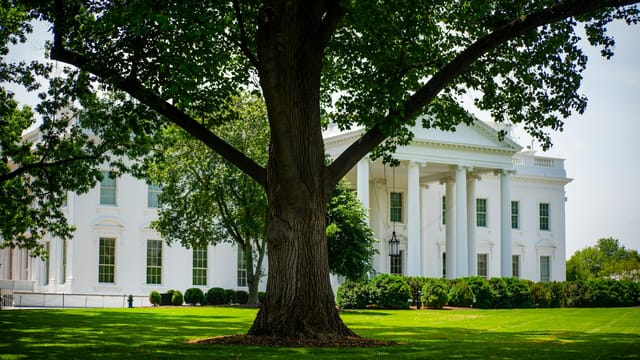
Straits of Fire: Trump's Naval Threats Force a Cuban Standoff
President Trump has escalated tensions with Cuba by threatening military intervention and carrier deployment, prompting a defiant response from President Díaz-Canel. The rhetorical shift coincides with new sanctions and mass anti-U.S. protests in Havana, signaling a return to high-stakes brinkmanship in the Caribbean.
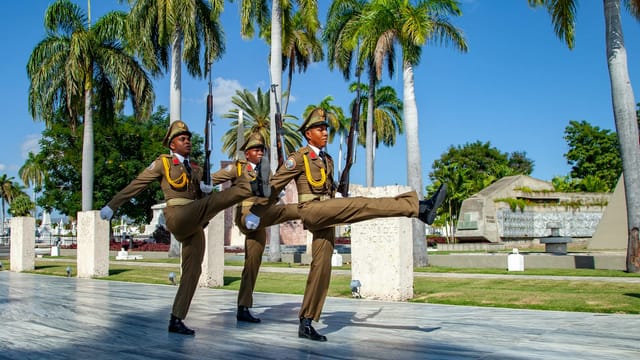
Caribbean Brinkmanship: Havana Warns of 'Dangerous' Escalation as U.S. Signals Military Pivot
Cuban Foreign Minister Bruno Rodríguez has condemned recent U.S. military threats and intensified sanctions as a 'dangerous' escalation of hostilities. The tension follows White House remarks suggesting the potential deployment of a carrier strike group to the Caribbean as a means of exerting pressure on the island.
Logistics of Exhaustion: Supply Strains and Sailor Morale Challenge U.S. Naval Dominance
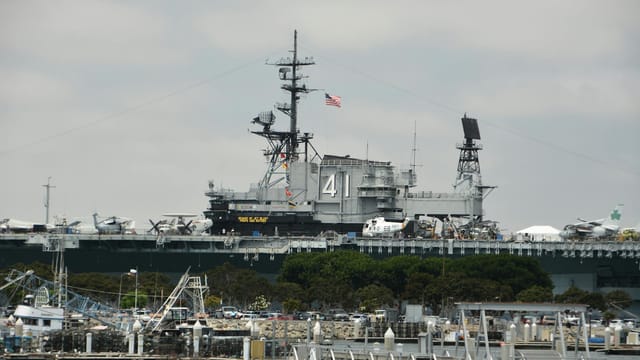
Recent reports indicate that U.S. Navy sailors on the USS Abraham Lincoln are facing severe food shortages due to logistical failures in the Middle East. These supply chain issues, exacerbated by the focus on munitions over basic rations, highlight a growing crisis in sailor morale and institutional overstretch that threatens American strategic credibility.
Logistics at a Breaking Point: US Naval Power Faces Supply Crisis Amid Middle East Operations
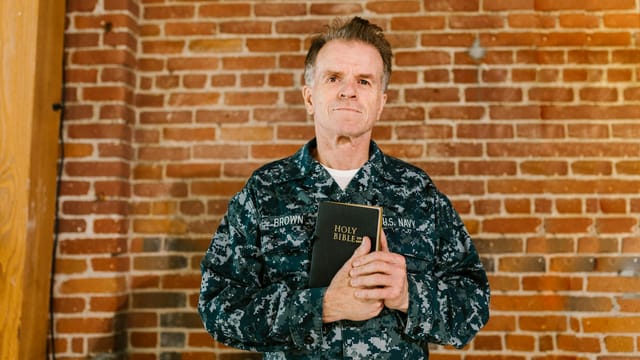
Internal reports and family complaints reveal that US Navy sailors on Middle East deployments are facing food and supply shortages due to logistical failures and closed airspace. The crisis highlights the physical and psychological toll of record-breaking deployment lengths on crews tasked with monitoring Iran.
Naval Chess: Washington’s High-Stakes Maritime Blockade of Iran
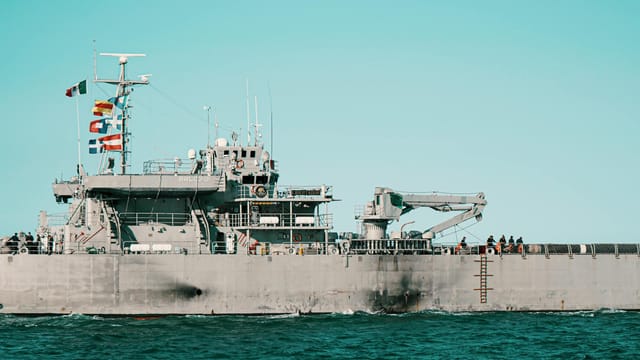
The United States has deployed a 16-ship naval task force to the Middle East to enforce a newly announced blockade of Iranian ports. While the fleet currently remains outside the Persian Gulf, the move signals a major escalation in maritime pressure against Tehran.

A Precarious Deterrence: US Carrier Abraham Lincoln Faces Growing Friction in the Arabian Sea
A sailor aboard the USS Abraham Lincoln was injured during operations in the Arabian Sea amid claims of missile attacks by Iranian forces. The carrier remains the centerpiece of U.S. deterrence against Iran, though frequent saturation attacks are forcing the strike group into a defensive posture.

Brinkmanship in the Gulf: Tehran Claims Missile Lock on USS Abraham Lincoln
Iran’s naval leadership has announced that the USS Abraham Lincoln is under constant missile surveillance and will be targeted if it enters strike range. Coupled with unverified claims of an actual missile launch, the statements represent a sharp escalation in Tehran’s efforts to challenge U.S. naval presence in the Persian Gulf and the Strait of Hormuz.
Brinksmanship in the Gulf: Iran's Missile Strike on USS Abraham Lincoln Signals a Dangerous New Chapter
Iran claims to have launched missiles at the USS Abraham Lincoln, escalating threats to target U.S. naval assets entering its range. This incident marks a significant shift in regional military dynamics and poses a direct challenge to U.S. maritime dominance.

Iran’s New Supreme Leader Signals Escalation After IRGC Claims to Have Disabled US Carrier — A Region on Edge
Iran’s IRGC says it launched a major round of strikes, claiming the USS Abraham Lincoln was rendered combat‑ineffective, while the newly installed supreme leader, Mujtaba Khamenei, used a televised address to vow revenge, threaten closure of the Strait of Hormuz and press Gulf states to expel U.S. forces. The competing claims and muted U.S. confirmation point to a campaign that blends military action, psychological operations and proxy warfare, raising the risk of prolonged regional disruption and oil‑market shocks.