
# energy%20security
Latest news and articles about energy%20security
Total: 63 articles found

Oil Shock Returns: Strait of Hormuz Gridlock Sends Prices Soaring and Raises $150-a-Barrel Risk
Escalating hostilities around Iran and Israel have pushed shipping through the Strait of Hormuz toward paralysis, sending oil prices sharply higher and prompting warnings that prices could surge toward $150 a barrel if exports halt. Markets and policymakers face a renewed inflation‑growth dilemma as storage constraints, production cuts and higher freight and insurance costs turn a regional conflict into a global energy risk.

Hormuz Shock Sends Investors Fleeing: Morgan Stanley Downgrades India as Energy Risk Rattles Asia
Morgan Stanley downgraded India to a neutral rating, warning that disruptions to flows through the Strait of Hormuz could sharply curtail oil and LNG supplies to Asia. The bank’s move reflects growing investor risk‑aversion and early capital outflows from emerging Asian markets amid fears of higher energy prices and downgraded earnings expectations.

China’s Two Sessions Signal a Quiet Pivot: Modest Stimulus, Big Bets on Tech and Decarbonisation
China’s 2026 policy package keeps overall fiscal appetite steady but prioritises three strategic directions: lifting prices modestly, accelerating technology and industrial self‑reliance, and imposing a roughly 3.8% carbon‑intensity reduction. The government set a lower but pragmatic GDP target of 4.5%–5%, signalling a conscious pivot from quantity to quality of growth.

China Steps Up Middle East Diplomacy: Wang Yi Holds Talks with Seven Counterparts as Beijing Sends Special Envoy
China announced an intensified diplomatic effort in the Middle East, with Foreign Minister Wang Yi holding calls with seven foreign counterparts and a special envoy scheduled to visit the region. The initiative aims to position Beijing as an active mediator amid renewed tensions, reflecting both strategic interests and limits to Chinese leverage.

Chopping Wood and Buying Time: How Germany Is Paying to Keep Its Industry and Climate Goals Alive
Germany’s energy shock since the Russian gas cutoff has forced a costly rebalancing: households are reverting to wood stoves while the state bankrolls industry and presses ahead with decarbonisation. Berlin’s mix of emergency purchases, subsidies, and long‑term investments in heat pumps and green hydrogen aims to reconcile security, affordability and climate goals — a socially and fiscally intensive experiment whose outcome will shape Europe’s industrial future.

When Safe Havens Fail: Why the Yen Slid as Nikkei Plunged and Oil Soared
A spike in Iran-related geopolitical risk pushed oil prices sharply higher and sent the Nikkei tumbling, but rather than strengthening, the yen weakened — exposing Japan’s acute reliance on imported energy, fragile fiscal space and constrained monetary options. Policymakers face a painful choice between defending the currency, supporting households against fuel pain, or preserving an already tentative recovery.
Hormuz on Edge: How a Narrow Waterway Can Shake the Global Economy
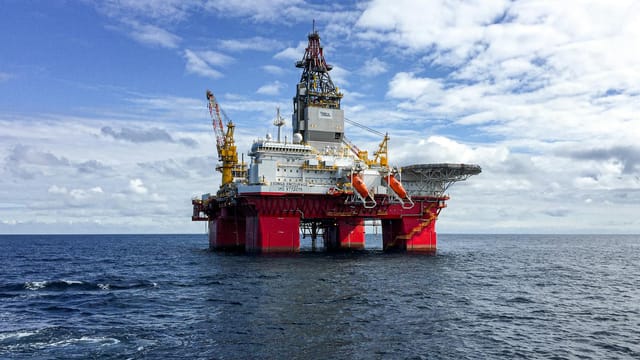
The Strait of Hormuz, a narrow but vital maritime corridor, carries a sizeable share of seaborne oil and key energy cargos. Any effective closure would trigger immediate price spikes, higher shipping costs and geopolitical confrontation, while prompting longer-term shifts in energy routes and security arrangements.

Asia‑Pacific on Edge as Middle East Fighting Sends Energy, Shipping and Security Risks Across the Region
Escalating fighting in the Middle East has raised alarms across the Asia‑Pacific, where governments are heightening readiness, considering naval deployments to protect shipping, and preparing evacuations for citizens. The crisis threatens to push up energy and shipping costs, test diplomatic balances and exert politically sensitive domestic pressures.

Trump Pledges U.S.-Backed Insurance and Naval Escorts for Ships Transiting Strait of Hormuz
President Trump vowed that a U.S. development finance entity will offer affordable insurance for ships transiting the Strait of Hormuz and that the U.S. Navy will escort tankers if needed. The move aims to reassure markets amid heightened tension with Iran after attacks disrupted Gulf oil shipments, but raises legal, operational and escalation risks.
Middle East Escalation Sends Oil Soaring and Markets Reeling; China Watches Closely as Corporates Reshape Portfolios
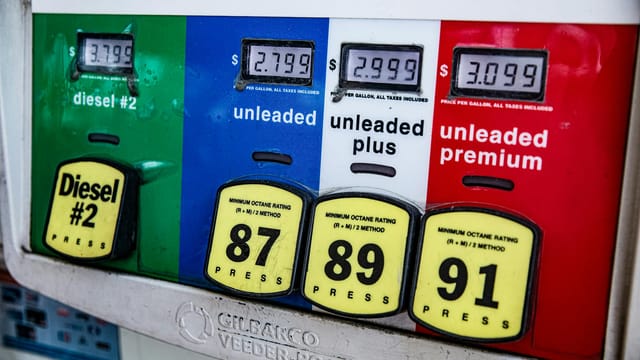
Iran’s reported strikes on U.S. THAAD systems and accompanying regional violence have driven a sharp uptick in oil prices and broad market volatility. China is responding on multiple fronts: urging de-escalation diplomatically, adjusting trade and logistics routes, and seeing rapid corporate and capital reallocation at home as firms and state-linked buyers react to heightened risk.

Gulf Under Fire: How Middle East Escalation Is Upending Chinese Businesses and Global Supply Lines
A sudden escalation of hostilities across the Gulf has disrupted flights, ports and last‑mile services, stranding Chinese businesspeople and delaying shipments. Firms are scrambling to reroute cargo, protect staff and absorb higher costs, while the episode forces a reassessment of how resilient China’s commercial ties to the Gulf must be.

Hormuz Disruption Sends Oil and Gas Prices Soaring, Forces Central Banks to Recalculate
An adviser to Iran’s IRGC said the Strait of Hormuz had been closed, triggering a sharp spike in oil and gas prices as tankers halted transits and insurance and navigation risks rose. Attacks on Qatari LNG wells and broader Gulf tensions amplified fears of supply shortages, forcing policymakers and central bankers to reassess inflation and monetary policy risks.