
# fiscal%20policy
Latest news and articles about fiscal%20policy
Total: 31 articles found

China’s 2026 Roadmap: Modest Fiscal Boost, Big Bets on Tech and Green Transition
Premier Li Qiang’s brief government work report for 2026 opts for a calibrated fiscal stance—around a 4% deficit and targeted bond-financed projects—while doubling down on technology, a green transition and modest social measures to stabilise growth. The plan emphasises industrial upgrading and carbon-intensity cuts rather than broad stimulus or sweeping market liberalisation.

Beijing Sets Modest Growth Target, Boosts Long-Term Bonds and AI Push in Li Qiang’s Government Work Report
Premier Li Qiang set a 2026 GDP target of 4.5–5 percent and outlined expanded fiscal support including a c.5.89 trillion yuan deficit and 1.3 trillion yuan of ultra-long special bonds. The government paired modest growth ambitions with a five-year plan emphasising AI, infrastructure, carbon-intensity cuts and tighter market governance.

Beijing Sets Modest Growth Target, Big Fiscal Push and Tech-Centered Industrial Strategy in 2026 Work Report
China’s 2026 government work report sets a pragmatic growth target of 4.5–5%, pairs higher fiscal spending and large bond issuances with targeted social measures, and doubles down on industrial policy for semiconductors, aerospace and future technologies. The emphasis is on structural stability, controlled fiscal expansion and selective opening rather than an aggressive growth push.

China’s Government Work Report Signals Bigger Fiscal Push, Tech Self-Reliance and a Consumption Drive as 15th Five-Year Plan Begins
China’s 2026 Government Work Report, explained at a State Council briefing, sets a 4.5–5.0% growth target and signals a more active, targeted fiscal and monetary stance to launch the first year of the 15th Five‑Year Plan. The plan prioritises innovation, consumer demand, and concrete social measures while stressing operational feasibility and policy precision.
China Advances Local Bond Quotas: Guangdong Leads as Provinces Ready 2.4 Trillion Yuan for Early Issuance
Nineteen Chinese provinces have revealed advance allocations of next year’s local government borrowing limits totalling about 2.4 trillion yuan, with Guangdong receiving the largest share. The advance quotas — dominated by special-purpose bonds and often re-lent by provinces to cities and counties — are meant to speed infrastructure financing and stabilise investment, but they raise questions about transparency and contingent debt risks.

Xi-led Politburo Endorses Draft 15th Five‑Year Plan, Signals Continued State‑led Push for High‑Quality Growth
China’s Politburo, chaired by Xi Jinping, reviewed the draft 15th Five‑Year Plan and the government work report ahead of the NPC session, praising the 14th plan’s achievements and setting priorities for 2026–30. The leadership signalled continued state‑led efforts to boost high‑quality growth, tech self‑reliance, and domestic demand while using active fiscal and moderately loose monetary policy to stabilise the economy.
China’s Local Governments Rapidly Tap Bond Markets to Fund Projects and Refinance Hidden Debt
Chinese local governments have issued more than RMB 2 trillion in bonds by late February as Beijing leans on fiscal tools to spur infrastructure and social projects and to replace implicit local liabilities. About half of the issuance is refinancing aimed at swapping hidden debt into formal bonds, while new special‑purpose bonds are being prioritised for on‑the‑ground investment.

Takaichi’s Bold Start: Japan’s Lurch Right Risks Debt, Inflation and Social Strain
Sanae Takaichi’s elevation to prime minister follows a decisive LDP electoral victory and ushers in a policy mix of aggressive, debt‑funded fiscal expansion targeted at defence and high‑tech industries. Critics warn this approach risks worsening Japan’s already massive public debt burden, accelerating yen depreciation and stoking inflation and social division, while political scandals and intra‑party factionalism threaten the government’s stability.

Takaichi’s Electoral Mandate Fuels Fiscal Boldness — and Fresh Downward Pressure on the Yen
Prime Minister Sanae Takaichi’s governing coalition won a decisive lower-house majority, clearing the path for expansionary fiscal measures such as cuts to the food consumption tax and a new sovereign wealth fund. Markets have swiftly priced in a higher probability of yen weakness and a Japanese equity rally, while analysts warn that persistent fiscal loosening could exacerbate sovereign-financing pressures and elevate the risk of market intervention if the currency weakens beyond key thresholds.
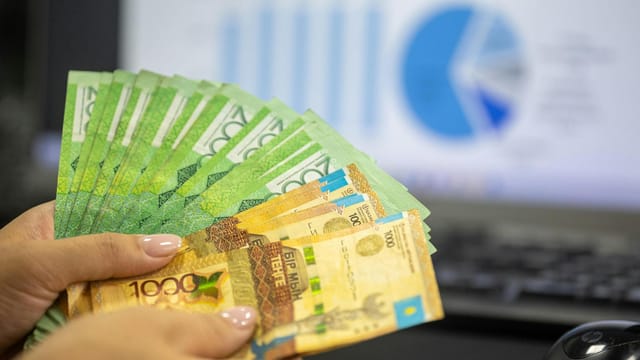
China’s State Firms See Profits Slip in 2025 Despite Flat Revenues, Raising Questions for Beijing’s Growth and Reform Strategy
China’s state-controlled firms posted a 6.3% drop in profits for 2025 despite a 0.5% rise in revenue, with total profits around ¥4.04 trillion and an asset‑liability ratio of 65.1%. The data highlight margin pressure across SOEs and present Beijing with a choice between fiscal support and deeper restructuring.

Beijing Orders 2026 Tax Overhaul to Boost Local Budgets and Expand Social Insurance
China’s tax authority has announced a 2026 push to deepen tax reform, expand legally authorised local taxes and strengthen social insurance through national pension pooling, provincial medical insurance coordination and accelerated long‑term care pilots. The package aims to stabilise local finances and broaden welfare coverage, but implementation choices will determine the economic and political trade‑offs.

China's 2026 Growth Playbook: Policy Push, Consumption Pivot and a Tech-Led Transition
China ended 2025 with 5% GDP growth and its economy topping RMB 140 trillion. For 2026 economists expect coordinated fiscal and targeted monetary easing to prioritise domestic demand, with consumption and services leading a structural shift toward technology-driven growth.