
# global markets
Latest news and articles about global markets
Total: 9 articles found
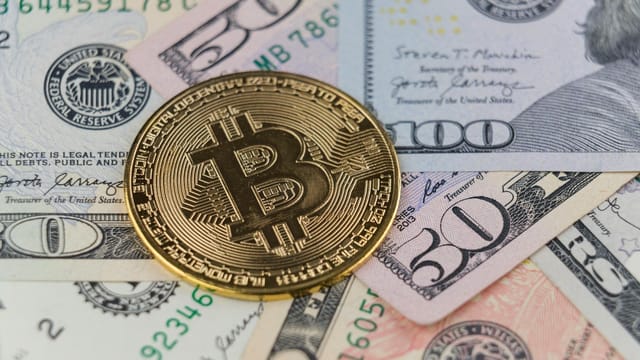
US Producer Prices Edge Higher in February, Complicating the Fed’s Path to Easier Policy
US producer prices in February exceeded expectations: core PPI rose 3.9% year‑on‑year and 0.5% month‑on‑month, while headline PPI climbed 0.7% month‑on‑month (3.4% YoY). The surprise increases the risk that inflation remains persistent, complicating Federal Reserve plans to cut rates and posing wider financial and global economic implications.

NPC Concludes as Oil Shock and AI Risks Jolt Markets — Beijing Votes Big While Global Volatility Rises
The 14th National People’s Congress closed after voting on major economic plans and laws, even as a Middle East‑driven oil shock and an unprecedented 400 million‑barrel IEA release roiled global markets. China signalled continued industrial prioritisation and regulatory attention to AI agents while capital rotated into Hong Kong ETFs and select technology names.

Hormuz Shutdown Sparks Global Oil Shock — $100 a Barrel May Be Just the Start
Iran's effective closure of the Strait of Hormuz has cut roughly 90% of daily oil flows, lifting Brent and WTI above $90 and prompting forecasts that oil could top $100 within days. The disruption — amplified by attacks on energy infrastructure, insurability breakdowns and limited pipeline rerouting — risks a sustained global supply shock with sharp economic fallout, even as China and other importers draw on strategic reserves and contingency plans.
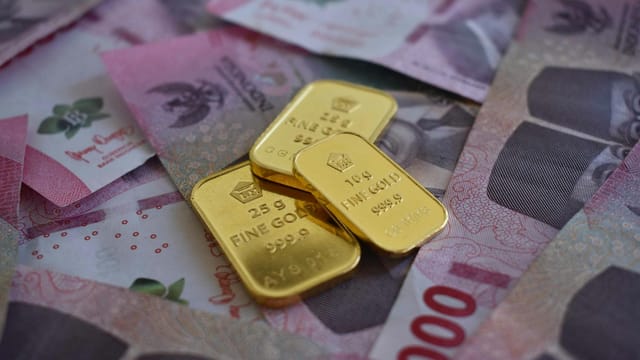
China’s Central Bank Keeps Buying Gold as Reserves Top $3.4 trillion — A Bid to Hedge the Dollar
China’s foreign‑exchange reserves rose to $3.4278 trillion at the end of February 2026 while the People’s Bank of China extended a 16‑month streak of gold purchases, bringing its holding to 74.22 million ounces. Beijing’s strategy reflects reserve diversification amid de‑dollarisation pressures, geopolitical uncertainty and a desire to shore up long‑term external stability.

China Signals Steady Support as Oil Spike and Middle East Tensions Roil Global Markets
China’s government set a 2026 growth target of 4.5–5% and plans to issue 1.3 trillion yuan in long‑term special bonds while keeping policy moderately loose and injecting 800 billion yuan of short‑term liquidity. The moves come as oil prices spiked on Middle East tensions, pushing global markets lower and underscoring the intersection of Beijing’s domestic stabilisation strategy with external geopolitical risks.

Washington Signals Intent to Keep Steep Tariffs on Chinese Goods, Raising Stakes for Global Trade
A Chinese outlet reported that a US government representative said Washington plans to maintain tariffs of 35%–50% on Chinese imports. If sustained, such high tariffs would reshape supply chains, raise costs for global businesses and consumers, and deepen the economic dimensions of US–China strategic competition.
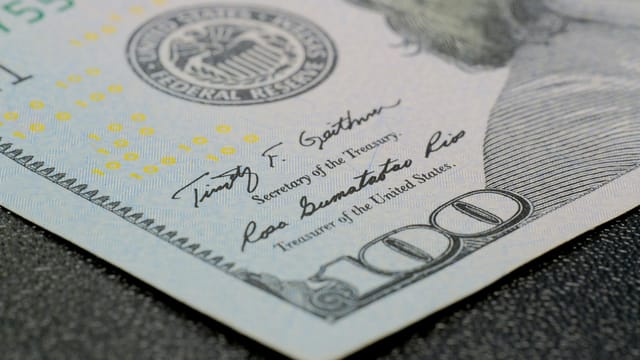
Trump’s Warsh Gamble: A Fed Nomination That Shocked the Dollar, Gold and Global Risk Appetite
President Trump’s January 30 nomination of Kevin Warsh as Fed chair jolted markets, sending the dollar higher, Treasury yields up and precious metals into steep declines. Warsh’s public scepticism of prolonged quantitative easing and his preference for shrinking the Fed’s balance sheet prompted investors to reprice liquidity and risk, with implications for global capital flows and asset valuations.

A Rare Step: U.S. and Japan Signal Joint Action to Stop the Yen’s Slide — Why Markets Are on Alert
Japan’s struggle between a collapsing yen and fragile government bond market prompted an unusually visible New York Fed ‘rate check’ at the U.S. Treasury’s direction, a signal markets read as readiness for coordinated U.S.-Japan intervention. The episode highlights Tokyo’s dilemma and could reshape dollar dynamics, Treasury demand and regional risk sentiment if followed by real onshore action.

Global Markets Plunge as Greenland Standoff and Japanese Fiscal Shock Trigger Risk Aversion
Global markets sold off after a U.S.–Europe standoff over Greenland and a surprise Japanese fiscal pledge sent investors fleeing risk. U.S. equity futures plunged, precious metals set records, and Japanese long-term yields spiked as bond auctions drew weak demand ahead of a looming election.