

China’s foreign-exchange reserves climbed above $3.4 trillion at the end of February 2026, reinforcing the country’s relative external strength even as global markets swing. The State Administration of Foreign Exchange reported a month‑on‑month rise of $28.7 billion to $3.4278 trillion, driven by exchange‑rate conversions and mixed asset‑price movements amid a firmer dollar.
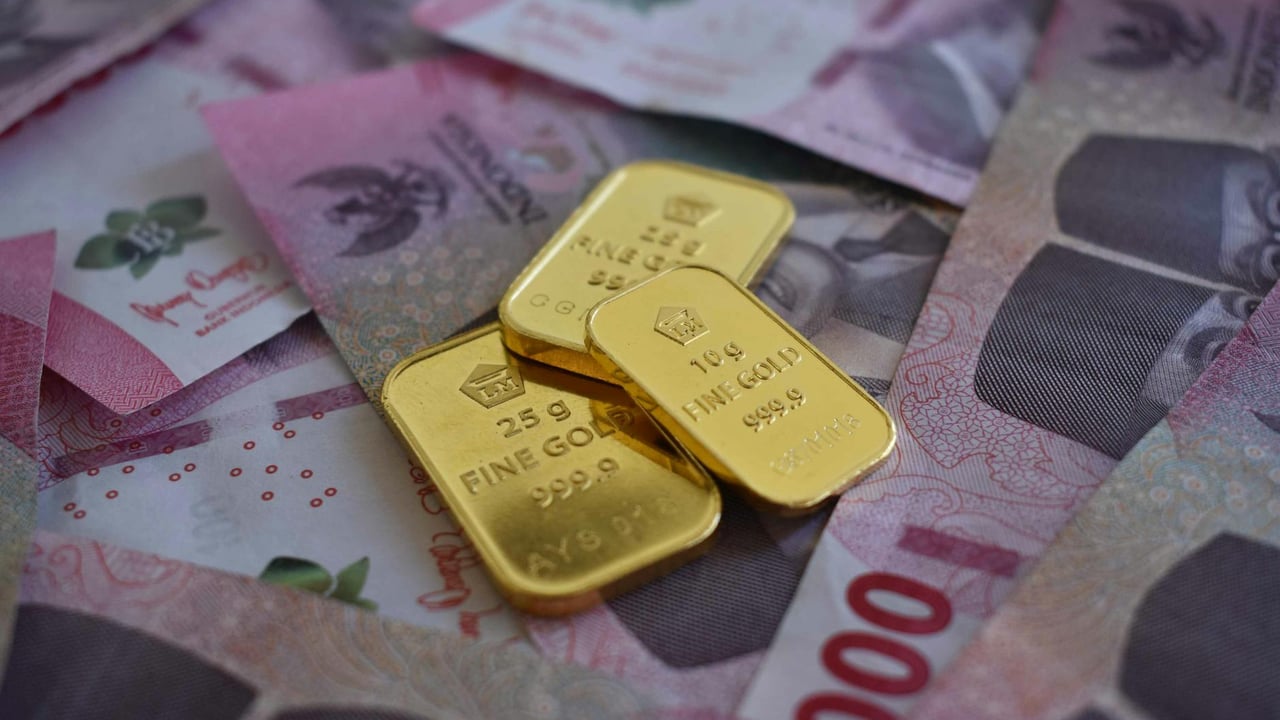
More striking than the headline number is the People’s Bank of China’s persistent accumulation of gold. Beijing’s official holdings reached 74.22 million ounces at the end of February, a 30,000‑ounce increase from January and the central bank’s 16th consecutive monthly purchase. Since the purchase cycle resumed in November 2024, the PBOC has added about 1.42 million ounces, lifting China’s bullion stockpile to a fresh high.
Chinese officials and domestic economists frame the buying as prudent reserve management. With the global currency landscape shifting, diversification away from a dollar‑centric reserve portfolio reduces concentration risk. Analysts point to a broader wave of central‑bank gold purchases in 2025 and 2026 that, in aggregate, has contributed to a rebalancing of official reserve allocations away from US Treasuries.
Geopolitical volatility and inflationary anxieties are another driver. Traders and strategists note that heightened tensions in regions such as the Middle East boost safe‑haven demand for bullion and can raise energy and shipping costs, thereby adding upside pressure to inflation expectations—conditions under which gold typically performs well.
Not all observers are unequivocally bullish. Some market research argues that recent gold price moves have become more sentiment‑driven than fundamentals‑driven, making bullion vulnerable to a reversal if global growth data firm up, disinflationary signals appear or geopolitical risks ease. Major houses warn that gold could oscillate sharply around its current highs depending on how macro and policy narratives evolve this year.
For Beijing, the combination of ample foreign reserves and steady gold purchases sends a clear strategic message. It hedges against dollar risk, signals preparedness for a more fragmented international financial order, and cushions the economy against shocks to trade and capital flows. The scale and persistence of the PBOC’s purchases, while unlikely to upend global markets on their own, are an unmistakable complement to China’s broader efforts to insulate its external finances and deepen its strategic buffer assets.