
# humanoid%20robots
Latest news and articles about humanoid%20robots
Total: 49 articles found
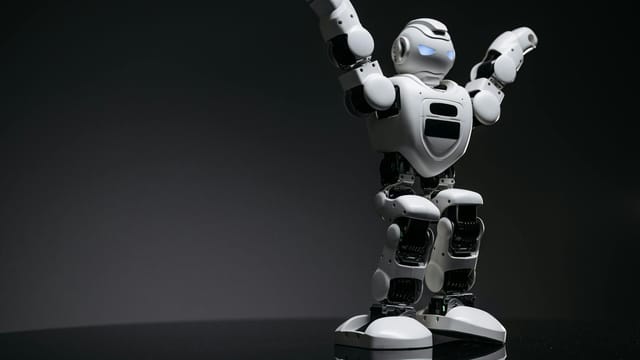
From Villa Workshop to Spring Gala: The Rise and Risks of a Chinese Humanoid Robot Start‑Up
Songyan Power, founded by Tsinghua dropout Jiang Zheyuan, rose from a rented villa prototype to national prominence after viral demos and a spring‑festival appearance, securing over RMB2bn in funding. The company’s pivot from MPC to deep reinforcement learning and a sub‑RMB10,000 consumer robot have driven momentum, but serious technical, supply‑chain and cash‑management risks remain.
Beijing Puts Tech and State Capital at the Centre of Its Growth Pitch as NPC Opens
At the opening of the 14th National People’s Congress, Chinese leaders and ministers billed 2025 as a year of record R&D and rapid AI and robotics deployment, with state-owned enterprises ploughing trillions of yuan into strategic emerging industries. Officials framed these gains as evidence that Beijing will continue to rely on state-directed investment and technology-driven industrial policy to steer China's economy in 2026.
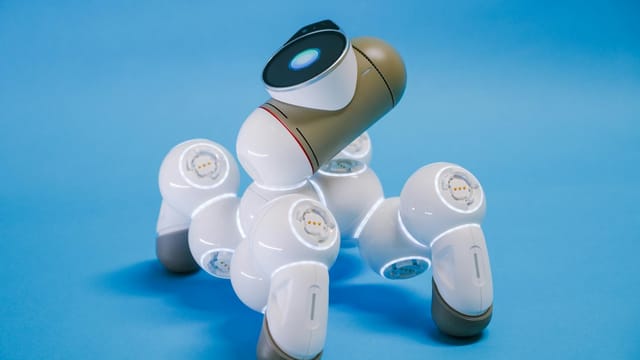
China Issues First National Standard System for Humanoid Robots as Industry Surges Toward Mass Production
China has released the country's first national standard体系 for humanoid and embodied-intelligence robots to address interoperability, safety and data concerns as shipments and demand accelerate. The framework prioritises data, safety and interface standards with a fast-track process and aims to unlock industrial-scale deployment while reducing supplier lock-in and duplicated R&D.
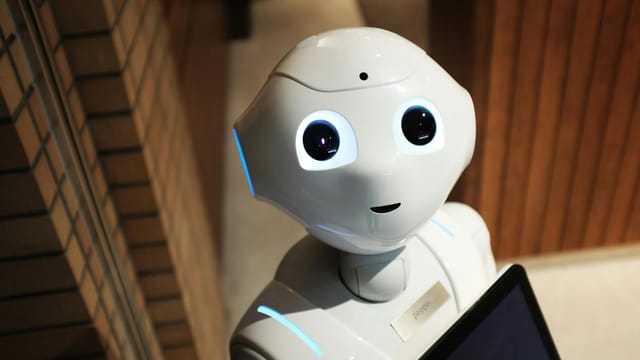
Lei Jun Urges China to Put Humanoid Robots to Work and Harden Rules for the Smart‑Driving Era
Xiaomi founder Lei Jun submitted five proposals at the National People’s Congress pushing for rapid industrial deployment of humanoid robots, stronger smart‑driving safety rules and upgraded training pipelines for intelligent vehicles. His recommendations couple engineering targets and cost‑reduction measures with governance steps — coding, data and ethics standards — and call for industry‑education reforms and support for tech philanthropy.
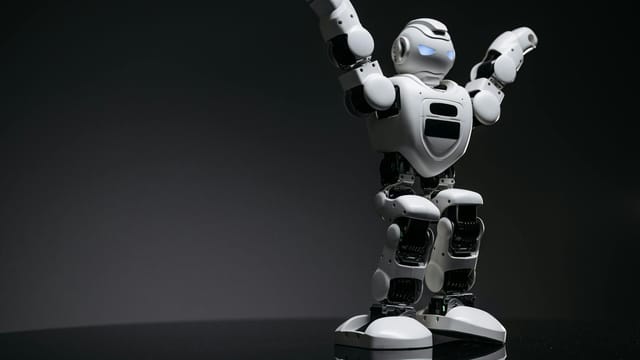
China Declares 2025 a Make-or-Break Year for Domestic Humanoid Robots
Lou Qinjian, spokesman at China’s NPC, called 2025 a decisive year for domestic humanoid robots to achieve both technical breakthroughs and real-world deployment. The country’s industry is making rapid strides in hardware, datasets and pilots, but still faces major engineering, regulatory and social challenges before humanoids become widely useful.
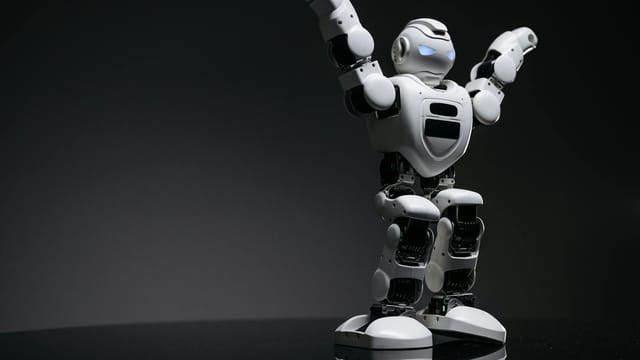
China Issues First National Standard Framework for Humanoid Robots — Industry Poised at a Turning Point
China has released a national standard system for humanoid robots and embodied intelligence that covers the full supply chain and lifecycle, aiming to accelerate commercialization and regulate safety and ethics. The move arrives as domestic firms show technical progress and growing orders, but the field’s core AI 'brain' remains a bottleneck that will determine whether humanoids reach mass production.
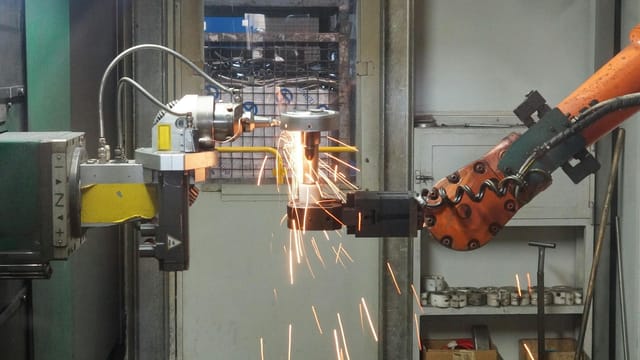
BMW Trials Humanoid Robots in Leipzig as Factories Rewire for EV Age
BMW has started a European pilot at its Leipzig plant to test Hexagon’s AEON humanoid robot on assembly and EV battery production tasks. The company positions humanoid robots as a supplement to existing automation to reduce physical strain and potentially insource supplier tasks, while the rollout underscores a broader industry shift toward embodied AI in manufacturing.
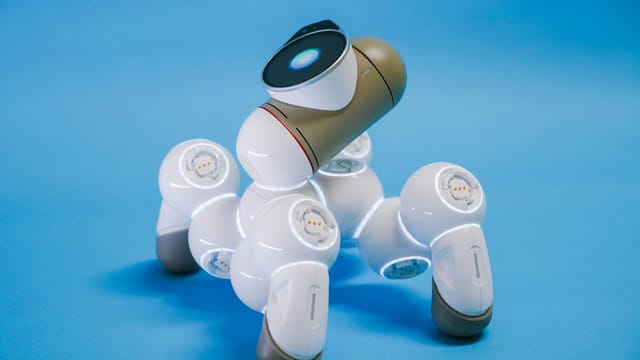
Infineon Bets on Humanoid Robots to Drive Revenue and Shore Up Margins
Infineon’s CEO says humanoid robots represent a major growth opportunity that could boost revenues and stabilise margins for the Munich‑based chipmaker. Success will hinge on the company’s ability to win integrated design partnerships amid stiff global competition and uncertain adoption timelines.
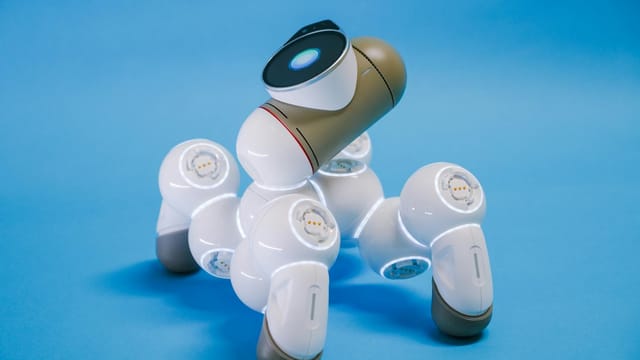
Guerrilla Robotics: How Songyan Dynamics Plans to Turn Humanoid Robots into Household Appliances
Songyan Dynamics, a two-year-old Chinese robotics start-up led by Tsinghua dropout Jiang Zheyuan, is pushing to scale humanoid robots into households by combining low-cost domestic models with higher-priced exports. Backed by strategic branding and a lean "guerrilla" team, the company aims to capitalize on an industry shift from demo-driven hype to deliveries and financial metrics as trackers predict rapid shipment growth in 2026.
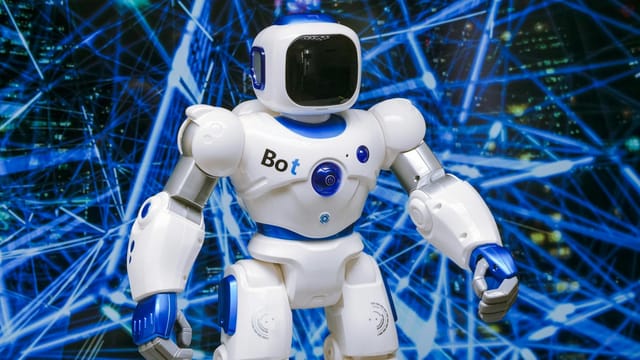
China’s Spring Festival Robot Spectacle Masks a Brutal Commercial Reality: The Gala Is Not the Finish Line
China’s 2026 Spring Festival Gala turned into a high‑stakes showcase for humanoid-robot firms, offering colossal national exposure but also prompting debate over whether theatrical demonstrations translate into commercial viability. The sector now faces a pivot from spectacle to scale: 2026 will test which firms can deliver reliable, cost-effective robots and which will be left behind as capital cools.
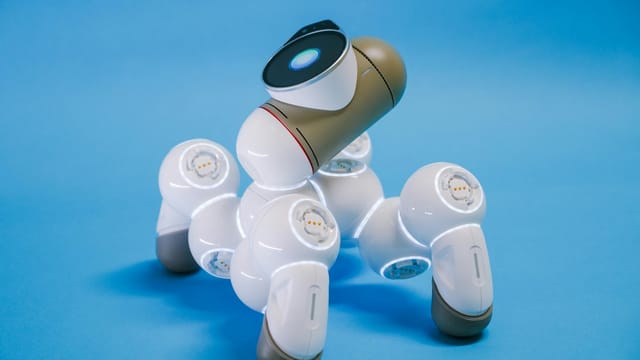
China’s Spring Gala Puts Humanoid Robots Center Stage — Embodied AI Moves From Lab to Spotlight
China’s Spring Festival Gala prominently featured humanoid robots whose stage performances were presented as signs that embodied intelligence is moving from innovation into industry. Firms showcased advances in facial actuators, dynamic balance and large embodied datasets, a combination that could accelerate commercialization but raises questions about robustness, safety and regulation.
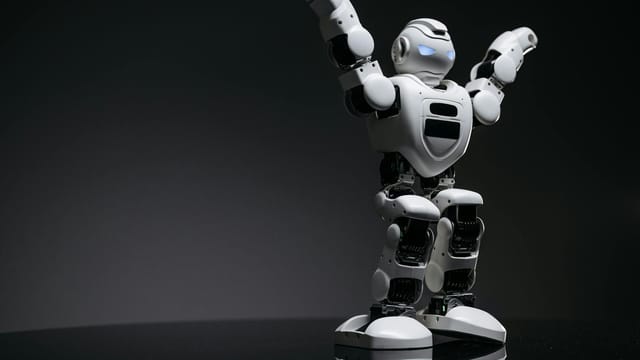
China’s Spring Gala Turns into a Robot Showcase — What the Pageant Means for the Race to Build a ‘Smart’ Humanoid
China’s 2026 Spring Festival Gala became a de facto showcase for humanoid robotics, with four domestic firms presenting polished acrobatics, coordinated dance and domestic task demonstrations. The broadcast signalled that motion control and embodied intelligence are maturing, while shifting investor attention from hardware to the ‘brain’ — large embodied models and task‑general AI.