
# oil%20prices
Latest news and articles about oil%20prices
Total: 64 articles found

China Stocks Open Lower as Investors Flock to Energy Amid Oil and Gas Price Shock
Chinese stock indices opened lower on March 9 as investors rotated into energy and commodity sectors amid a sharp rise in international oil and gas prices. Growth and specialty segments underperformed, reflecting risk-off sentiment driven by supply concerns and impending regulatory changes on short-term trading.
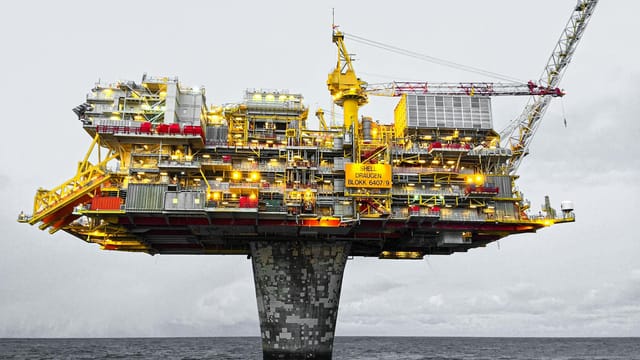
Surge in Crude Sends China’s Pump Prices Up — Biggest Hike Likely This Year
A surge in crude prices driven by Middle East tensions has pushed WTI above $89 and Brent near $92, prompting Chinese authorities to raise retail pump prices by roughly 0.39–0.42 yuan per litre. The adjustment, likely the largest this year, will raise costs for transport and industry and complicate policymakers’ efforts to balance inflation and growth.

Hormuz's Pendulum: Iran's Targeted Escalation Sparks Oil Shock Fears
A week of shifting Iranian tactics in the Strait of Hormuz—from threats of full closure to targeted strikes on Western-linked vessels—has sent oil prices sharply higher and revived fears of a fourth global oil crisis. Tehran’s selective approach preserves leverage while limiting self-harm and avoids alienating Asian importers, but the risk of miscalculation and persistent market volatility remains high.

China Set to See Biggest Fuel Price Jump This Year as Global Oil Rally Pushes Retail Pump Prices Higher
A sharp global oil rally has pushed international benchmarks to multi‑month highs, triggering China’s scheduled fuel‑price review on March 9. Regulators are expected to raise retail caps by about 500 yuan per tonne, the largest increase this year, raising pump prices and transport costs for consumers and businesses.
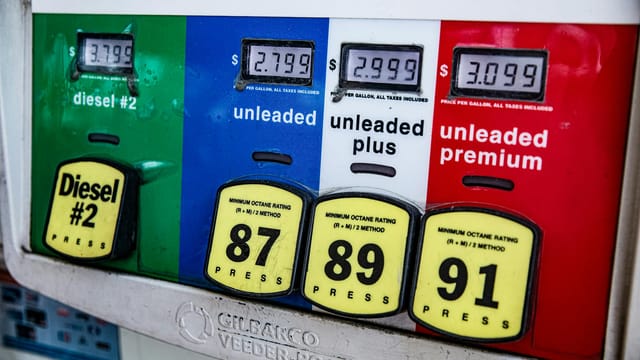
From Total Blockade to Precision Strikes: How Iran’s Strait of Hormuz Tactics Threaten a Fresh Oil Shock
Iran’s recent toggling between closing the Strait of Hormuz and targeting only Western-linked vessels has injected fresh volatility into oil markets, driving weekly price jumps and heightening geopolitical risk. Tehran’s calibrated strikes aim to pressure the United States and its allies while limiting damage to Iran’s own oil revenue, but the situation leaves global consumers and Asian importers dangerously exposed.

UN Warns Middle East Conflict Risks Spiralling into Global Economic and Humanitarian Crisis
The UN has warned that escalating Middle East hostilities could spiral out of control, creating large humanitarian needs and economic spillovers. UN officials highlighted rising oil prices, mounting food insecurity and an estimated 25 million people affected, while urging ceasefires, safe corridors and renewed diplomacy.

China Signals Steady Support as Oil Spike and Middle East Tensions Roil Global Markets
China’s government set a 2026 growth target of 4.5–5% and plans to issue 1.3 trillion yuan in long‑term special bonds while keeping policy moderately loose and injecting 800 billion yuan of short‑term liquidity. The moves come as oil prices spiked on Middle East tensions, pushing global markets lower and underscoring the intersection of Beijing’s domestic stabilisation strategy with external geopolitical risks.

Clerical Hardliners Surge in Tehran — What a Larijani-Led Iran Means for Global Oil and China
A SoBiz analysis frames Iran’s post-Khamenei succession as a decisive victory for the clerical-security establishment after National Security Council secretary Larijani publicly rejected negotiations with the United States. The shift raises the probability of a prolonged regional conflict, pushes oil prices higher, and poses manageable but significant economic and strategic challenges for China.
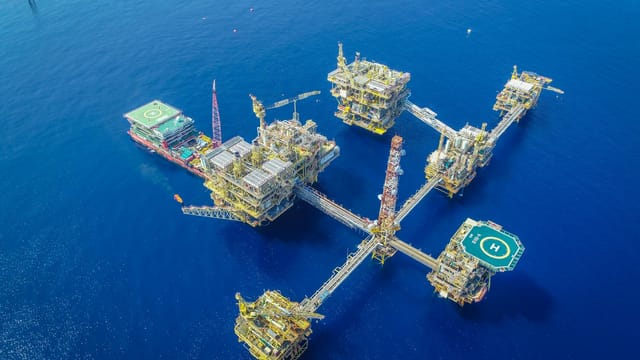
Why Electric Cars Won’t Fully Shield You from Rising Oil Prices
Rising crude prices from geopolitical tensions affect more than fuel bills: petrochemical inputs and natural gas feedstocks are embedded across food, clothing, construction and maintenance supply chains. Driving an electric car reduces exposure to petrol but does not eliminate dependence on oil‑derived materials, so consumers still feel price shocks indirectly.

When Safe Havens Fail: Why the Yen Slid as Nikkei Plunged and Oil Soared
A spike in Iran-related geopolitical risk pushed oil prices sharply higher and sent the Nikkei tumbling, but rather than strengthening, the yen weakened — exposing Japan’s acute reliance on imported energy, fragile fiscal space and constrained monetary options. Policymakers face a painful choice between defending the currency, supporting households against fuel pain, or preserving an already tentative recovery.

Risk-Off Roars Through East Asia: South Korea Stocks Crash over 12% as Japan Also Slips
A sharp, externally driven risk-off wave on March 4 sent South Korean equities into a dramatic slide of more than 12% and pushed Japanese shares lower. The rout — amplified by offshore selling and concerns about Middle East tensions and rising oil prices — has raised the prospect of policy intervention in Seoul and heightened global investor caution toward export-dependent Asian markets.

From AI Rally to Market Panic: South Korea's Stock Boom Snaps as Middle East Shock Triggers Triple Circuit-Breakers
South Korea's stock market, which surged on an AI-led rally earlier this year, experienced severe reversals in early March 2026 as renewed Middle East tensions and heavy foreign selling triggered multiple circuit-breakers. The won weakened to levels not seen since 2009, prompting emergency meetings at the Bank of Korea and raising concerns about the country's exposure to oil shocks and capital flight.