

The Biden-era narrative of steady multilateralism has given way to a familiar American playbook: when one legal route closes, another opens. After the U.S. Supreme Court this year rejected the administration’s broad tariff programme as exceeding presidential emergency powers, Washington on March 11 launched fresh trade investigations under Section 301 of the 1974 Trade Act that explicitly name China among 15 economies under review.
The investigations are wide-ranging. U.S. Trade Representative Grier said the probes will examine excess industrial capacity, government subsidies and practices the United States says depress wages—factors Washington argues produce persistent U.S. trade deficits and unfair competitive advantages. The inquiry names the European Union, China, Japan, Korea, India and a swath of Southeast Asian and other trading partners, and a parallel 301 process will probe forced-labour risks across more than 60 jurisdictions.
The procedural shift is political as much as legal. Last month’s Supreme Court ruling found the president lacked unilateral authority under the International Emergency Economic Powers Act to impose sweeping ‘‘reciprocity’’ tariffs. Faced with a July deadline for separate, temporary duties enacted under Section 122, and under pressure to demonstrate a tough economic posture ahead of midterm contests and amid wider geopolitical crises, the administration is seeking legally durable tools to re-establish a credible tariff threat.
Washington’s menu of options is broad. Officials have flagged not only 301 inquiries but also continuing use of Section 232 (national security) and Section 122 (international balance of payments), and have suggested retaliation under other statutory authorities. Grier also signalled potential 301 reviews into digital services taxes, drug pricing and maritime pollution—an indication that trade enforcement may expand into a suite of regulatory grievances rather than narrow anti-subsidy cases alone.
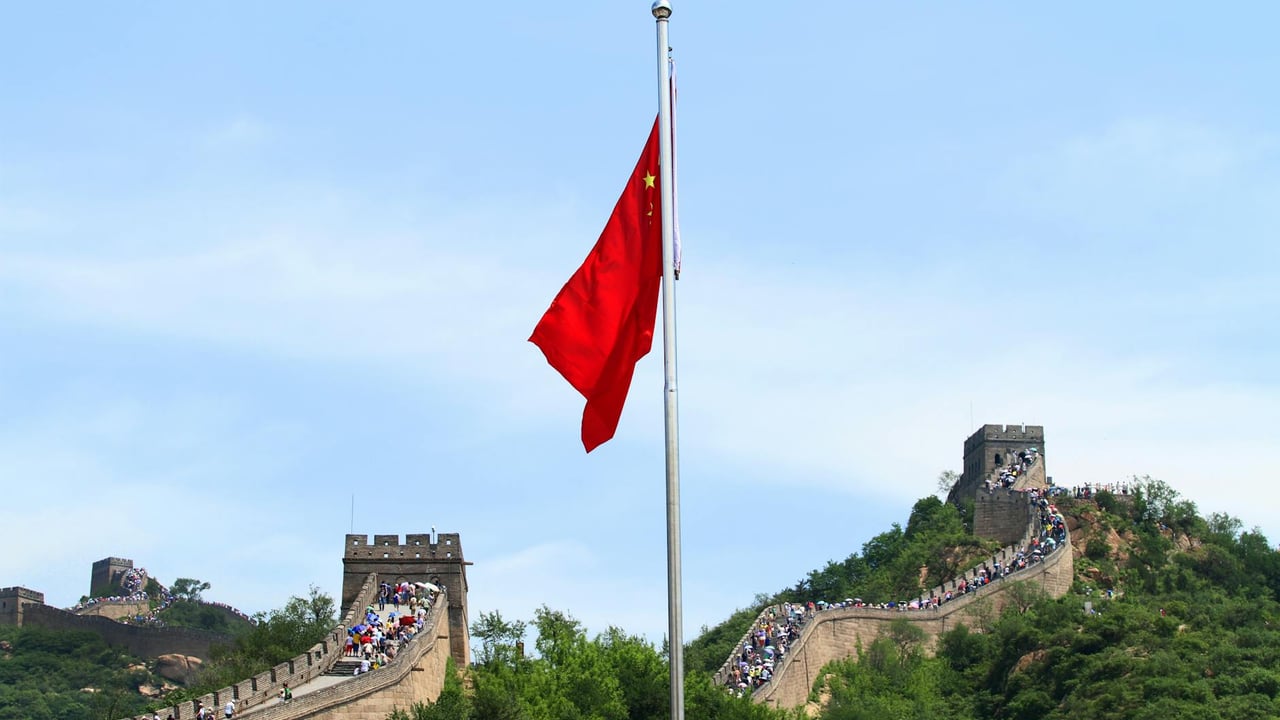
For Beijing the shift is highly consequential. Section 301 has a chequered history: it powered the Trump administration’s earlier tariffs on China and survived several legal challenges, but it is a unilateral instrument that risks provoking retaliatory measures and splintering trade rules. Chinese foreign ministry spokespeople have warned that tariffs and protectionism ‘‘have no winners,’’ and Beijing is likely to pursue disputes through the World Trade Organization while preparing countermeasures and seeking to insulate key supply chains.
The timing amplifies risk. The new U.S. investigations arrive against the backdrop of a volatile Middle East, strained Europe–U.S. relations over energy and defence, and rising economic nationalism at home. Markets and manufacturers that rely on integrated Asian supply chains face renewed uncertainty: additional duties, forced-labour import bans, and regulatory vetting could drive relocation costs, higher consumer prices and fractured investment flows.
Global partners will be tested on whether to acquiesce to bilateral pressure or to coordinate responses. Washington’s strategy appears designed to recreate the negotiating leverage that came with the threat of tariffs—compelling trading partners to underwrite deals on concessions, subsidy rollbacks or industrial policy changes. But that leverage may be blunt: countries targeted by 301 reviews can litigate at the WTO, retaliate in kind, or accelerate diversification away from U.S. markets.
If Washington follows through with tariffs or other trade remedies, the immediate winners may be political actors who prize ‘‘tough’’ postures; the longer-term losers could include multinational manufacturers, global consumers, and the rules-based system that has governed trade disputes. Policymakers in Beijing and in the EU, Japan and Southeast Asia will have to weigh short-term economic pain against strategic alignment—or seek new cooperative architectures to limit unilateral enforcement as an instrument of geopolitical competition.