
# supply%20chains
Latest news and articles about supply%20chains
Total: 28 articles found
China Sends Vice‑Premier He Lifeng to France for Sixth Round of U.S. Trade Talks, Signalling Continued Engagement
China will dispatch Vice‑Premier He Lifeng to France from March 14–17 to lead the sixth round of economic and trade consultations with the United States. The talks, framed by leaders' agreements at Busan and follow‑up calls, aim to address mutual economic concerns and stabilise the bilateral commercial relationship, though major structural disputes are unlikely to be resolved.

U.S. Opens Broad Section 301 Probes, Beijing Warns of Retaliation and WTO Breach
The U.S. Trade Representative has launched Section 301 probes into 16 economies, including China, over alleged "excess capacity," and separate 301 investigations into forced‑labour import policies covering about 60 economies. China denounced the moves as unilateral and inconsistent with WTO rules, urged dialogue, and reserved the right to take necessary countermeasures.
China’s Vice Premier He Lifeng to Lead Trade Talks with U.S. in France Next Week
China’s Vice Premier He Lifeng will lead a delegation to France from March 14–17 for the sixth round of China‑U.S. economic and trade consultations, guided by consensus from the leaders’ Busan meeting. The talks are likely to focus on market access, export controls, subsidies and supply‑chain issues, with limited expectations for sweeping breakthroughs but potential for procedural progress that could ease business uncertainty.

Washington Opens Broad Section 301 Probe of 16 Partners, Raising Stakes for Global Trade
The U.S. has launched Section 301 investigations into 16 trading partners, including China and the EU, reviving a unilateral tool that could lead to tariffs or other penalties. The move signals Washington’s widening concerns about foreign industrial and digital practices and raises new risks for global supply chains and the multilateral trading order.
Washington Reboots Trade Warfare: New 301 Probes Target China and a Dozen Partners
After a Supreme Court ruling curbed the president’s emergency tariff powers, the U.S. launched new investigations under Section 301 targeting China and a dozen other economies. The probes, focused on subsidies, excess capacity and labour practices, aim to restore a credible tariff threat but risk reigniting trade tensions and disrupting global supply chains.
How a Middle East War Turns into a Bill on Your Grocery Receipt
The US–Israel–Iran conflict has already translated into higher global energy, fertiliser and food prices as markets price disruption to shipping through the Strait of Hormuz and interruptions to Middle Eastern petrochemical supplies. The shock exposes fragile supply chains, redistributes wealth toward energy exporters and defence suppliers, and risks re‑igniting inflation and a wage‑price spiral while accelerating costly near‑shoring of production.

France Sides with Japan in Export‑Controls Row with China — A Risky Play for Billion‑Yuan Sino‑French Deals
China has imposed targeted export controls on dual‑use items destined for Japanese military users, prompting a rare public rebuke from France which called the measures ‘‘economic coercion.’' Beijing insists the controls are legal and security‑driven, while Paris’s stance reflects a mix of defence cooperation with Japan and domestic industrial concerns. The episode risks complicating Sino‑French commercial deals and signals growing friction between commercial ties and security priorities in global supply chains.

Beijing Summons Maersk and MSC as Maritime Tensions Disrupt Global Trade
China’s Ministry of Transport summoned executives from Maersk and MSC on March 9 to discuss their shipping operations amid disruptions in the Persian Gulf and other volatile corridors. The meeting signalled Beijing’s intent to hold major carriers accountable for decisions that affect Chinese trade flows and highlights how geopolitical risk is becoming entangled with commercial logistics.

China’s Factory Activity Slips in February as Late Lunar New Year Clouds Recovery
China’s manufacturing PMI slipped to 49.0 in February, with seasonally driven holiday shutdowns and subdued demand pulling down production and new orders. Analysts expect a March rebound as factories restart and support measures take effect, but persistent weakness could increase the likelihood of monetary easing.
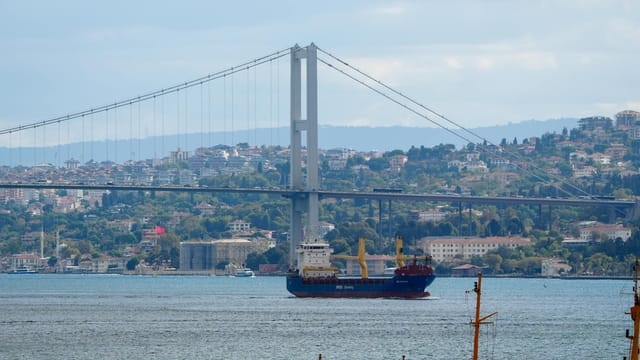
Iran Says It Controls Strait of Hormuz as Tankers Come Under Fire — Global Shipping and Energy Flows Grind to a Halt
Iran's IRGC says it now controls the Strait of Hormuz and has struck multiple tankers, prompting a near halt to shipping through the chokepoint. The disruption has sent freight rates and oil prices sharply higher, forced major carriers to reroute and impose surcharges, and squeezed air cargo capacity, threatening wider supply‑chain pain if the situation is not quickly resolved.

German Chancellor’s Trade Mission Yields Dozens of China Deals as Robotics Showcase Signals Tech Thaw
German Chancellor Mertz’s visit to China produced more than a dozen commercial deals across major industrial sectors, accompanied by a high-profile stop at robotics firm Yushu Technology in Hangzhou. The agreements reflect ongoing commercial interdependence between Germany and China, even as governments grapple with strategic risks around technology transfer and supply-chain security.
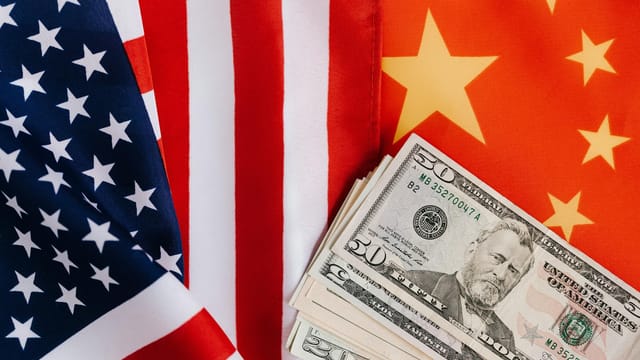
Washington’s Tariff Pivot: 15% for Some Partners, No New China Levies Ahead of Trump Visit
After a Supreme Court rebuke of its earlier emergency tariff plan, the U.S. administration has implemented a 10% global temporary tariff and signalled it will raise duties to 15% or more for selected countries while publicly sparing China ahead of a planned Trump visit. Officials plan to rely on Section 301 investigations and other statutes, including Section 232 and Section 338, to justify targeted, more permanent levies — a strategy that heightens uncertainty for trading partners and global supply chains.