
# supply%20chains
Latest news and articles about supply%20chains
Total: 28 articles found
Beijing Tightens the Screws: China Adds Dozens of Japanese Firms to Export-Control Lists to Curb Remilitarisation
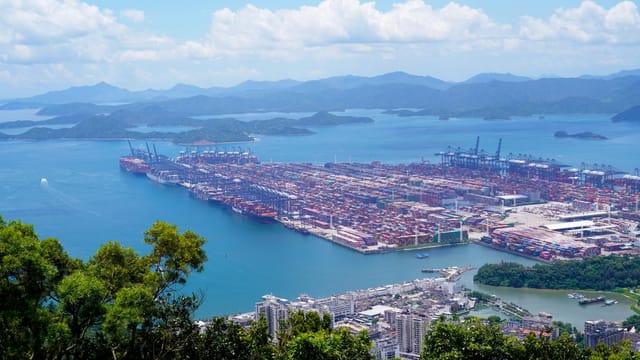
Beijing has added 20 Japanese firms to an export-control list and placed 20 more on a watch list, targeting dual-use technologies it says would accelerate Japan's remilitarisation. The measures are presented as narrowly focused yet significant: they threaten to slow critical supply chains, raise compliance costs and deepen strategic contestation between China, Japan and their allies.

China Unveils Watchlist in Export Controls, Escalating Pressure on Japanese Military-Linked Firms
China has for the first time used a formal ‘watchlist’ to tighten export controls on 40 Japanese entities, combining outright bans for some firms with enhanced scrutiny for others. The measures, rooted in recent export‑control laws, target dual‑use items and aim to prevent technology transfers Beijing says could bolster Japanese military capabilities.

Washington Signals Intent to Keep Steep Tariffs on Chinese Goods, Raising Stakes for Global Trade
A Chinese outlet reported that a US government representative said Washington plans to maintain tariffs of 35%–50% on Chinese imports. If sustained, such high tariffs would reshape supply chains, raise costs for global businesses and consumers, and deepen the economic dimensions of US–China strategic competition.

Ottawa Seeks a Trade Bulwark Against U.S. Coercion: Pushing an EU–CPTPP Bridge
Canada is leading exploratory talks to link the European Union and CPTPP members through harmonised rules of origin and cumulation arrangements, creating a large trade grouping intended to shield supply chains from unilateral U.S. tariff threats. The plan is technically complex and politically sensitive, but it signals a strategic move by middle powers to build alternative economic architecture amid U.S. unpredictability.

European Leaders at Munich Call for True Strategic Autonomy — Not Just Rhetoric
At the Munich Security Conference on February 13, Chancellor Friedrich Merz and other European leaders publicly pressed for stronger "strategic autonomy," citing vulnerabilities exposed by war, pandemic and shifting U.S. priorities. Turning the idea into policy will require painful budget choices, industrial coordination and careful management of transatlantic ties.

Japan’s Seabed Rare‑Earth Claim Bumps Into Technical and Strategic Realities
Japan has announced a large rare‑earth deposit beneath the seabed near Minami‑Tori‑shima, but deep water, engineering complexity, high extraction costs and environmental and regulatory hurdles make commercial exploitation unlikely in the near term. China’s existing lead in purification technology and cost structure means Tokyo’s claim is more of a political signal than an immediate challenge to Beijing’s dominance in rare‑earth supply chains.

China’s Yushu CEO Says “Embodied Intelligence” Is Just Beginning — And Could Dwarf the Mobile Internet
Yushu Technology CEO Wang Xingxing says embodied intelligence — AI embodied in robots and edge devices — is in its early platform phase but could surpass the mobile internet in scale and economic impact. Scaling will depend on industrial innovation in hardware, safety standards and supply chains rather than software breakthroughs alone.

Munich’s Mood Shift: Europe Grapples with a World ‘Being Destroyed’ and Seeks New Equilibriums
The 2026 Munich Security Conference adopts a markedly bleaker tone, saying the international order is “being destroyed” and signalling a shift from trans‑Atlantic coordination to European efforts at strategic autonomy. Practical, sectoral issues — technology, supply chains and energy — have risen in prominence, and China’s role at the conference has expanded from political foil to potential partner on concrete challenges.
BYD Sues the U.S. Government, Challenging Trump-Era Tariffs and Seeking Rebates
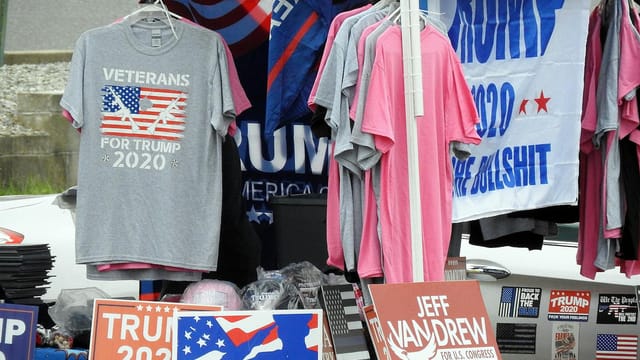
BYD has sued the U.S. government, arguing that multiple tariffs put in place under the Trump administration are unlawful and seeking refunds for duties it paid. The case highlights the tensions between U.S. protectionist trade tools and the legal, commercial and geopolitical pushback from major Chinese exporters.
German Firms Shift Investment Toward China as U.S. Policy Volatility Raises Doubts
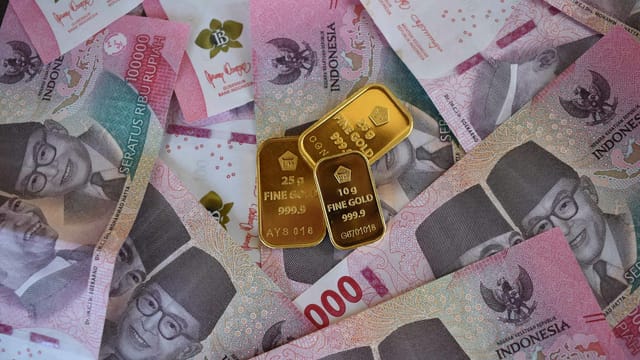
German companies are redirecting investment toward China as U.S. policy volatility undercuts confidence in the American market. Surveys and official data show rising German FDI into China, while investment into the U.S. has fallen sharply, prompting Berlin to pursue high‑level talks with Beijing to secure better market terms.

Manufacturing Shake-up in Guangdong: Foshan Slips as Dongguan Surges
Foshan has recorded consecutive periods of GDP contraction, driven by an export slump and a deepening property downturn that hit its furniture and building‑materials industries. Dongguan, by contrast, is growing faster after a concerted pivot toward higher‑value electronics, advanced manufacturing and cultural IP, narrowing the two cities' GDP gap to its smallest level since 2006.

Japan’s Deep‑Sea Rare‑Earth Claim Provides Political Cover — Not a Market Breakthrough
Japan’s claim to have located large rare‑earth deposits near Minamitorishima and its plan for a 2027 trial eases domestic political pressure after Chinese export curbs, but substantial technical, economic and environmental barriers make rapid independence from Chinese supplies unlikely. Beijing’s structural advantages in extraction and refining mean China is likely to remain central to global rare‑earth supplies in the near to medium term.