
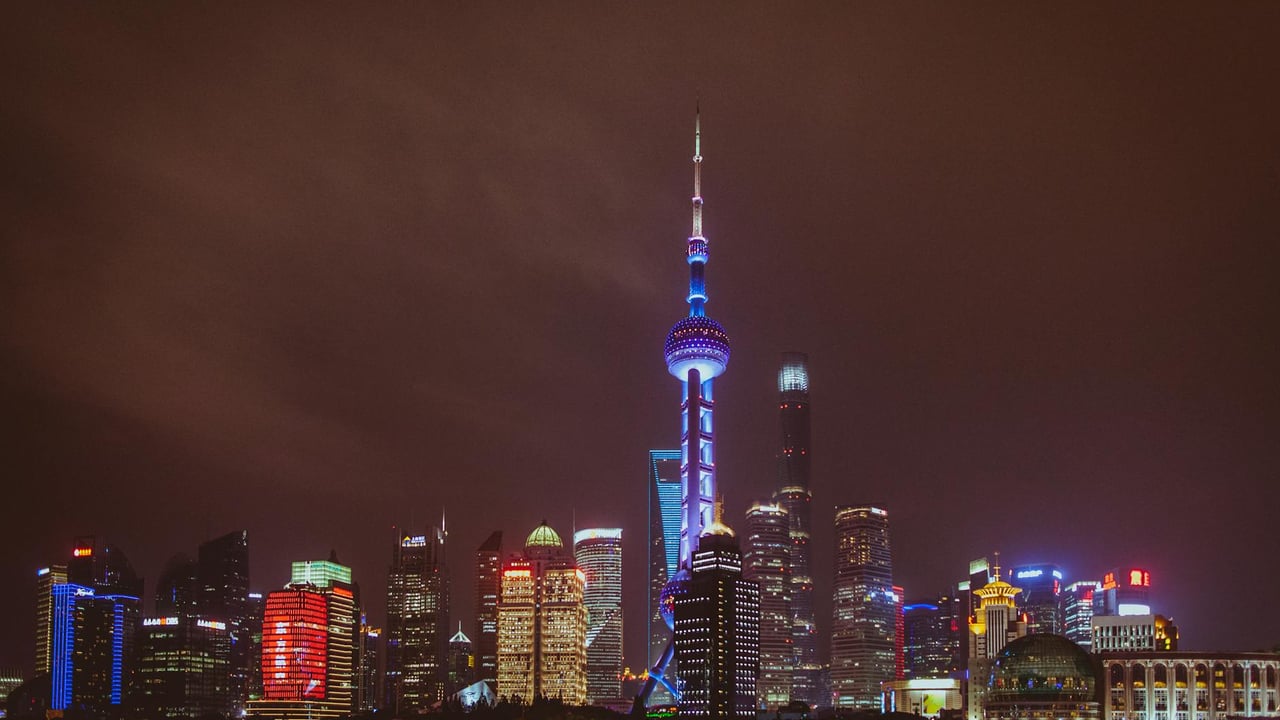

Beijing’s economy crossed a symbolic threshold in 2025, with gross domestic product reaching Rmb52,073.4 hundred million (about Rmb5.21 trillion, roughly USD740 billion) and expanding 5.4% year‑on‑year. The statistical milestone makes Beijing the second Chinese city, after Shanghai, to surpass the Rmb5 trillion mark and cements a new “Beijing–Shanghai” bipolarity at the summit of China’s urban economy.
On a global scale the city now sits among the world’s larger economic hubs: its output is comparable to many medium‑sized countries and places Beijing roughly eleventh in city GDP rankings, behind global metropolises such as New York and Tokyo but ahead of most national economies. Independent league tables such as CEOWORLD place Beijing immediately behind Shanghai among the world’s wealthiest cities, underscoring the capital’s international economic weight as well as the limits of its global rank.
Domestically the Rmb5 trillion club remains small: 12 provinces and provincial‑level cities have crossed that line, and Beijing and Shanghai alone form a clear first tier. Shenzhen, Guangzhou and Chongqing remain in a second tier around Rmb3 trillion and will likely need several more years — perhaps three to five or longer — to contest the top rung, ensuring Beijing and Shanghai lead China’s urban GDP rankings for the foreseeable future.
What makes Beijing’s achievement striking is the mode of growth. The city has pursued what officials call “reduced‑scale development” — curbing population and land expansion and relocating non‑capital functions — but simultaneously prioritising high‑value services and advanced technology. The service sector accounted for Rmb4.48 trillion of value added, with information transmission, software and IT services at Rmb1.22 trillion and finance at Rmb0.87 trillion; together these two sectors supplied more than 70% of the city’s growth contribution.
High‑tech manufacturing and R&D remain important complements. Sectors such as computer and communications equipment manufacturing and automobiles grew strongly (around 20% and 17.7% respectively), driven by new energy vehicles, integrated circuits and consumer electronics. Beijing’s R&D intensity leads the country, and analysts point to deepening integration between scientific institutions, venture capital and production as the mechanism converting innovation into GDP growth.
Analysts cast Beijing’s transformation as a successful shift from scale to quality: per capita GDP in the city is about USD32,000, comparable to developed economies, and the economy is increasingly knowledge‑and service‑intensive. Observers argue this model — using targeted “leaning” measures to shed low‑end capacity while concentrating talent, capital and innovation — offers a blueprint for how super‑cities can increase economic weight without unchecked sprawl.
That said, Beijing’s ascent raises questions typical of mature global cities. Maintaining openness and international collaboration amid retrenchment in global trade and technology, defining development beyond GDP (human development, international influence and livability), and balancing capital‑city functions with economic dynamism are all unresolved policy choices. How Beijing answers those questions will determine whether the Rmb5 trillion milestone becomes an endpoint or the launchpad for a genuinely different urban paradigm.