

Counterpoint Research now expects the global smartphone market to remain weak through 2026, with normalization unlikely before the second half of 2027 and possibly stretching into early 2028. The industry faces a squeeze from stagnant end‑user demand and rising component costs driven by the next wave of storage‑chip technology and associated supply dynamics.
Manufacturers are already adjusting product plans to preserve margins. Mass‑market and mid‑tier original equipment manufacturers (OEMs) are pruning model lineups, downgrading specifications or postponing launches to reduce inventory risk and cost exposure, while premium brands are prioritising smarter configurations rather than broad performance compromises.
Another route companies are exploring is shifting some workload from devices to the cloud: offloading demanding features can lower hardware requirements and extend device lifecycles, but it increases dependence on carriers, data centres and subscription economics. This recalibration is being driven as much by hardware economics as by changing user behaviour — with slower replacement cycles and more selective upgrade decisions among consumers.
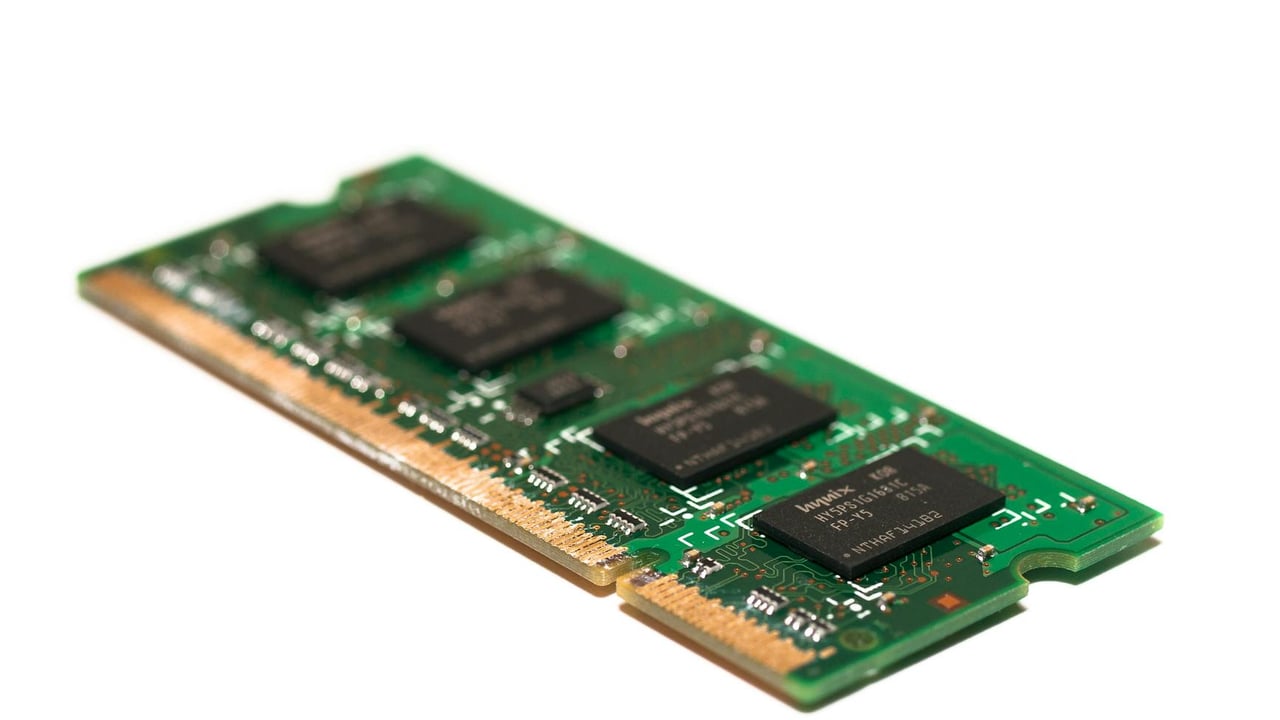
The cost pressure centres on memory and storage components. As suppliers move to newer process nodes and higher‑density products, R&D and ramp costs push prices up in the short term. Several industry observers warn that memory tightness may persist into 2028, prolonging the squeeze on OEM margins and feeding through to product planning.
The near‑term outcome is likely to be market segmentation and consolidation. Smaller players with thin margins will face the toughest choices and may cede share to better‑capitalised rivals; premium vendors, by contrast, can extract higher average selling prices through configuration and services rather than raw hardware arms races. Component suppliers able to manage capacity and pricing will gain negotiating leverage.
For consumers, the immediate effect may be fewer low‑cost new models and a slower cadence of hardware innovation at mass market price points. Longer term, an industry pivot toward cloud‑enabled features and subscription services could transform the value proposition of smartphones, shifting monetisation from one‑off device sales to ongoing software and service revenue.
Policy and geopolitical risks remain a wild card. Any renewed export controls or disruptions to chip supply chains would exacerbate cost pressures and could delay recovery further. Conversely, investments in localising supply — or a successful ramp of next‑generation memory production — would ease the bottleneck and accelerate normalization.
In short, the market faces a prolonged trough that will force strategic choices across the ecosystem: cut models and conserve cash, double down on premium and services, or lean into cloud‑driven architectures. How companies position themselves now will determine who emerges as the long‑term winners once demand recovers.