
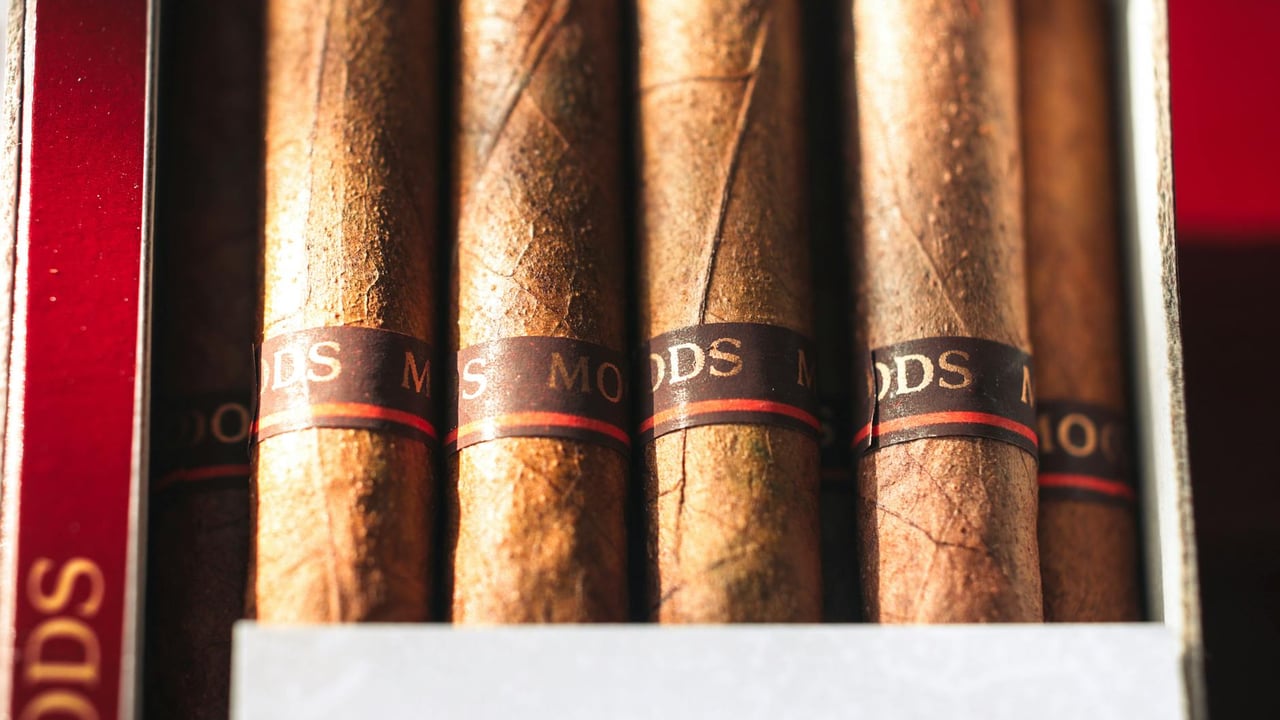

On the main street of a third-tier city in Shandong, a 70-square-metre tobacco-and-liquor shop that once relied on holiday box sales is being put up for transfer. The owner, having cleaned out inventory over the Spring Festival, says customers now drift in only occasionally and buy low-margin cigarettes or soft drinks; high-end baijiu that used to move before holidays sits unsold on the shelves.
Across Beijing and other cities, proprietors tell a similar story: annual revenues have fallen sharply, footfall is down and loyalties are eroding. One long-standing retailer near the capital's fifth ring road reported a near-30% drop in revenue in a single year and is already looking for a buyer; others describe a new “5-yuan rule” — whether selling a pack of cigarettes or a thousand-yuan bottle of liquor, gross profit often comes down to roughly five yuan.
Industry statistics back up those anecdotes. The China Tobacco and Alcohol Circulation Association estimates the number of dedicated tobacco-and-liquor shops nationwide fell about 19% in 2025, a decline that translates to roughly 320,000 fewer outlets in a single year and more than 1.3 million exits over five years. The contraction follows a boom: between 2015 and 2019 the sector expanded about 2.5 times to some 5.6 million outlets, feeding a different era of consumption and gifting.
Several structural forces explain why the business model has unraveled. Consumers have grown more price-conscious and skeptical of packaging-led premiumism, preferring proven brands and cheaper options for personal use. Public-sector curbs on extravagant entertaining and local restrictions on drinking have removed a large swathe of bulk, festive and corporate purchases that once sustained box orders.
Channel dynamics have accelerated the shift. Producers are increasingly bypassing intermediaries to sell direct to consumers, and e-commerce platforms and livestreaming events have cemented a culture of rapid price comparison and discount hunting. Retailers report frequent price inversion: mid- and high-tier cigars and spirits carry no margin or trade cheaper online, while inexpensive brands sell through in volume.
The fallout is practical and painful. Fixed costs — rent, utilities and staff — remain unchanged while inventory turns slow, turning tobacco licenses that once conferred lucrative rights into burdensome obligations. Some shops keep stock only to maintain a license, then end up dumping slow-moving goods at a loss; others are swallowed by cashflow stress and close. The sector’s average store revenue declined by around 40% between 2021 and 2024, compounding the pressure.
This retrenchment is not unique to tobacco-and-liquor retailers. Pharmacies, optical shops and cosmetics chains have also undergone waves of closures in recent years as information asymmetries shrink and online options proliferate. The pattern points to a broader restructuring of China’s retail landscape as consumers migrate to online, instant and platform-enabled purchasing.
For suppliers and brands the shift creates winners and losers. Big distillers with the resources to run direct-to-consumer channels and frequent promotions can protect volumes, but smaller makers and mid-tier brands face longer pain as traditional impulse and gifting markets contract. Meanwhile, surviving physical retailers must reconfigure their propositions around convenience, trusted local service, niche assortments or value-added delivery to keep relevance.
Owners who remain optimistic stress a harsh truth: not every entrepreneur fits the new model. Some new players still open shops and take their chances, but those who survive are more likely to be well-connected, capitalised and adaptive. For many long-time independents, the prudent strategy is retrenchment and preservation of capital rather than fighting a margin squeeze that looks set to persist.
In short, the collapse of easy profits in China’s tobacco-and-liquor retailing reflects a deeper, technology-driven reallocation of consumption and distribution. The industry’s contraction will ripple through supply chains and local economies, and will force both retailers and producers to redesign their approach to pricing, channels and customer relationships.