

February deliveries from China’s new-generation carmakers exposed a market in transition: a handful of firms reclaimed monthly volumes around the 20,000 mark while others, most notably XPeng, saw steep year‑on‑year falls. A prolonged nine‑day Lunar New Year holiday and a retreat in purchase‑tax stimulus compressed production and sales days, turning what is already a seasonal trough into a sharper short‑term correction for the sector.
Leapmotor (零跑) led the cohort with 28,067 deliveries in February, up about 11% year‑on‑year and bringing its January–February total to 60,126 units. The company touted rapid traction for its B‑platform family — multiple models have cleared five‑figure cumulative sales — highlighting how competitive, lower‑priced lines are still capturing mainstream demand at the 100,000‑yuan plus segment.
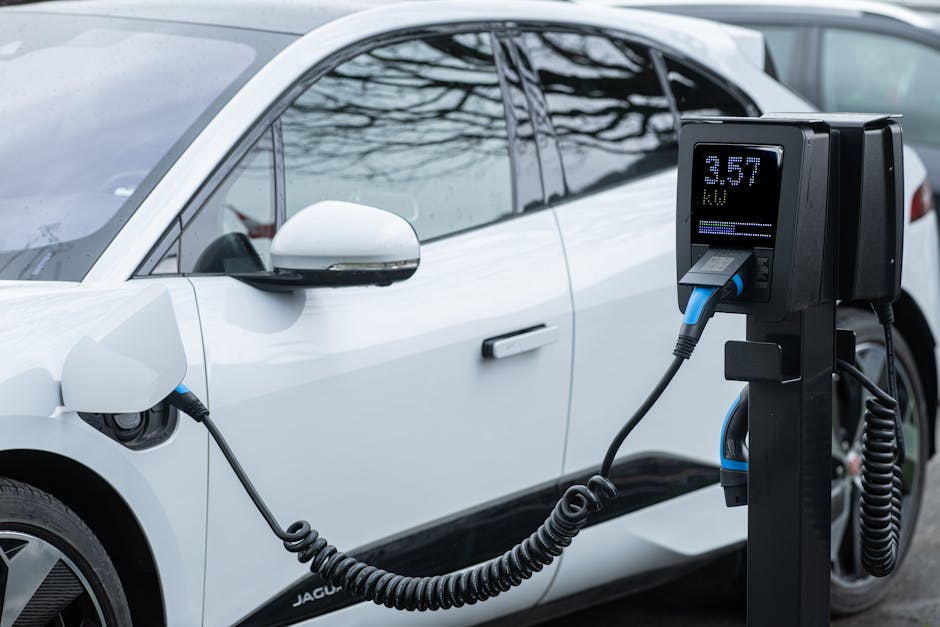
Li Auto (理想) delivered 26,421 vehicles in February, roughly flat year‑on‑year, but its two‑month cumulative sales slipped about 3.7%. Li’s emphasis on its proprietary charging infrastructure — more than 4,000 “super‑charging” sites delivering 1.45 million charging sessions and some 42 million kWh over the holiday period — underlines a broader strategic point: for China’s EV transition, access to reliable energy replenishment remains a decisive differentiator.
NIO (蔚来) reported a strong rebound overall, with 20,797 deliveries in February, a 58% year‑on‑year jump led by the incumbent NIO brand and its ES8 model. Yet not all of NIO’s segments are buoyant: the Leda/乐道 sub‑brand fell sharply, prompting renewed incentives and expanded finance plans. NIO’s response — purchase‑tax subsidies, low‑interest seven‑year plans and targeted model discounts — illustrates how premium players are juggling growth and margin protection in a softer near‑term market.
XPeng (小鹏) registered a marked deterioration, delivering just 15,256 vehicles in February — roughly half the number from a year earlier — and once again bottoming the new‑maker league. In response, XPeng is accelerating its overseas push: the new G6 went on sale in the UK in February and the P7+ has entered large‑scale export shipments. The company’s CEO has also signalled an ambitious pivot into robotics, flying cars and Robotaxi services, underscoring a strategic bet on diversifying revenue beyond core vehicle sales.
The near‑term picture is one of consolidation and strategic re‑sorting. Seasonal and policy noise account for part of February’s weakness, but the broader story is that the 2026 battleground is shifting from headline monthly volumes to long‑term competitiveness in software, charging networks, global distribution and capital‑intensive hardware bets such as humanoid robots and autonomy. That raises questions about profitability, capital allocation and which firms can sustain both product investment and attractive prices for consumers as government incentives ebb.