
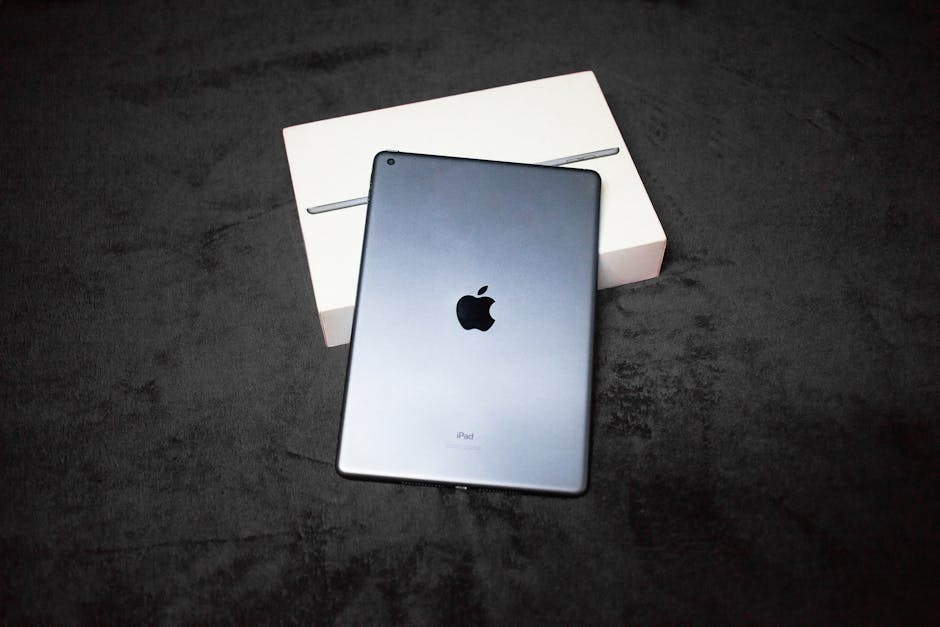

Apple on March 2 unveiled a refreshed iPad Air line that for the first time carries the company’s M4 silicon, offering buyers a choice of an 11‑inch model at $599 and a larger 13‑inch model at $799, with preorders opening on March 4. The announcement, published on a Chinese social platform and attributed to Apple's event, marks another step in the company’s steady migration of Mac‑class chips into its tablet family.
The move to M4 signals more than a modest performance uplift. Apple’s M‑series has been designed to deliver laptop‑class CPU and GPU capability alongside a powerful Neural Engine, and transplanting that architecture into the Air line narrows the technical gap between the iPad Air and the Pro models. For users this translates into smoother multitasking, heavier creative workflows, and greater potential for on‑device machine learning tasks without necessarily resorting to a Mac.
Pricing and product positioning are notable. By setting the 11‑inch Air at $599 and the 13‑inch at $799, Apple occupies price points that make higher performance more accessible, while putting pressure on both higher‑priced tablets and entry‑level laptops. The larger 13‑inch Air is especially significant: it brings a near‑Pro sized screen to a mid‑tier price band, complicating buying decisions for consumers weighing iPads against ultraportable PCs.
For the broader market, the M4 Air deepens Apple’s hardware‑software integration strategy. Proprietary silicon gives Apple control over performance, power efficiency and specialised accelerators, making it harder for rivals reliant on third‑party chips to match the same combination of battery life, thermal design and AI capabilities. It also raises questions for developers about prioritising iPad apps that can scale to more powerful on‑device compute.
Availability begins with preorders on March 4 and will be followed by standard retail roll‑out; the original item was posted on a NetEase user account, with the platform noting it is a user upload. While the update is incremental from a headline‑standpoint, it is strategically consistent: Apple is blurring device categories, bringing Mac‑grade silicon to lighter, more affordable form factors and further cementing the iPad’s role as both a consumption and creation device.