
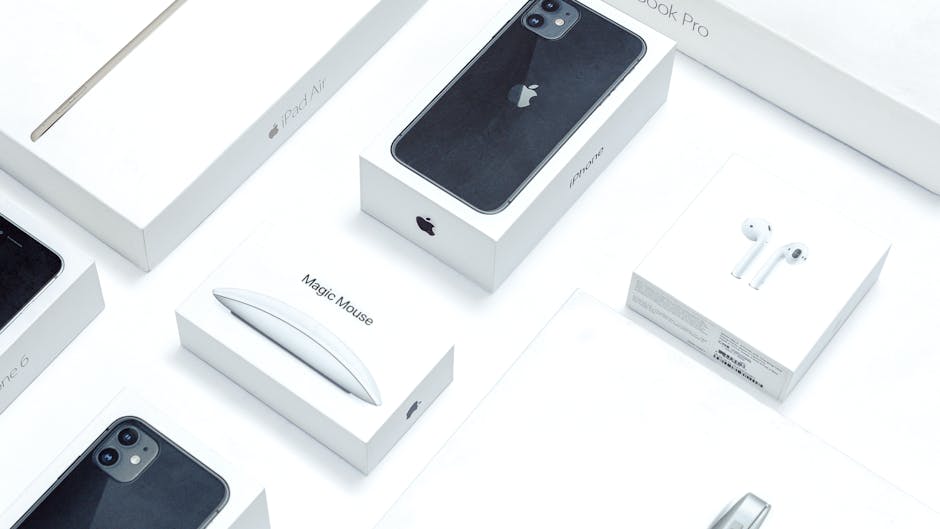

Apple China quietly listed a new model, the iPhone 17e, on its local website on March 2, with a starting price of ¥4,499 and a baseline storage of 256GB. The device will be available for pre‑order from 22:15 on March 4, according to the listing; the initial announcement appeared via a NetEase social feed that the platform flagged as user‑uploaded content.
The move looks like a calibrated, low‑fanfare launch rather than a global product event. The “e” suffix and the sub‑¥5,000 price point suggest Apple is positioning this model to capture buyers who find flagship prices prohibitive, while simultaneously nudging up the storage baseline — 256GB has become the new entry level, reflecting growing consumer demand for local capacity driven by richer photos, video and on‑device AI workloads.
For international readers, the choice of China as the initial market for this model is significant. China is the world’s largest smartphone market and fiercely competitive: domestic brands such as Huawei, Xiaomi, OPPO and vivo regularly target the same price bands with feature‑rich hardware. By offering an iPhone at roughly mid‑range pricing, Apple appears to be balancing margin preservation with the need to protect or grow share in a market where upgrades have slowed and customers are increasingly value conscious.
The timing — a soft listing on Apple’s China storefront rather than a global press event — shows a pragmatic, channel‑first approach. Pre‑orders handled directly through Apple’s online store allow the company to manage inventory tightly and test demand without committing to large retail rollouts. It also gives Apple leverage in bundling services and trade‑in promotions that can raise average revenue per user even when headline device prices are lower.
There are both upside opportunities and clear risks. A lower entry price could stimulate replacement cycles among older iPhone users and convert Android switchers, helping Apple defend its ecosystem. But the model must compete on perceived value and after‑sales services as much as on price. Macroeconomic weakness in China, aggressive promotions from domestic rivals, and geopolitical frictions that can influence procurement and marketing remain potential headwinds.
If the iPhone 17e sells briskly, it will underscore a broader trend: premium brands accepting thinner entry points to maintain market momentum while monetising consumers through services and higher‑capacity configurations. If demand falters, Apple may have to lean harder on local partnerships, carrier subsidies and promotional discounts to keep volumes up in its most important growth market.