
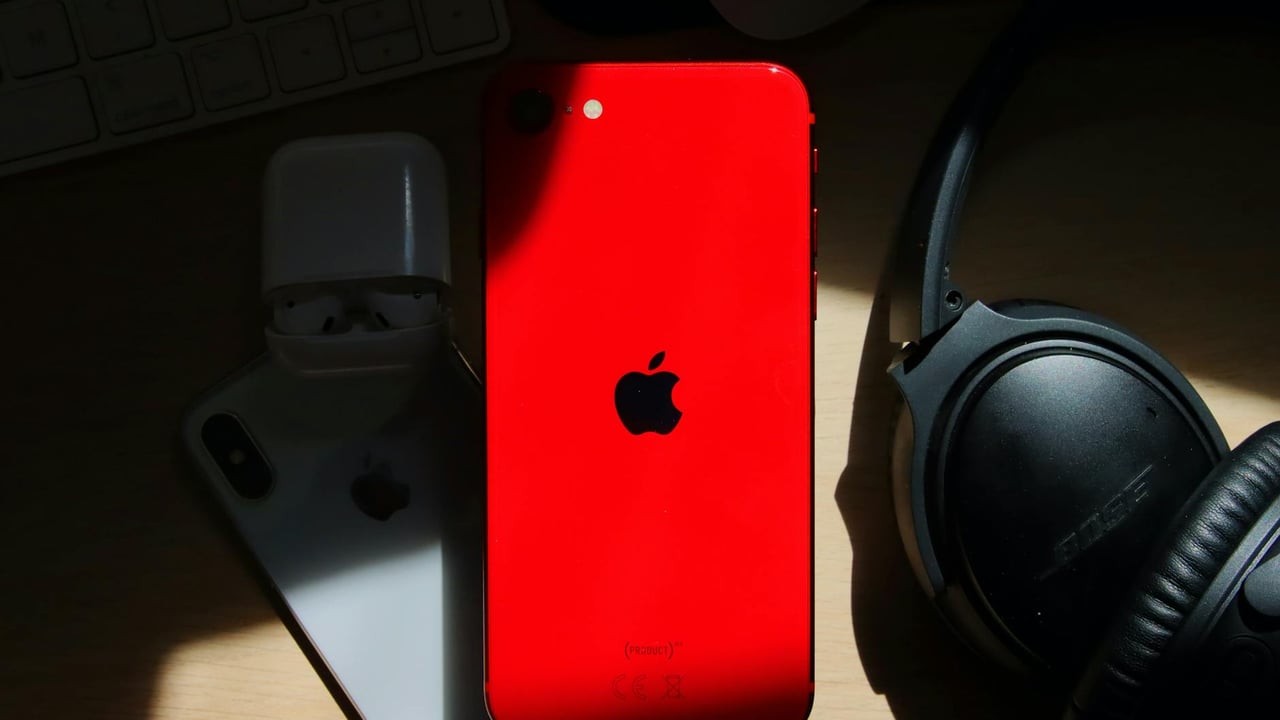

Apple has quietly added a new model, the iPhone 17e, to its China online store on March 2, listing a starting price of ¥4,499 and a baseline storage of 256GB. The device will open for pre‑orders on March 4 at 22:15 local time and go on sale on March 11, signaling a rapid rollout designed to capture early spring demand.
The “e” suffix suggests a lower‑priced or mid‑tier variant within the iPhone 17 family rather than a wholly new flagship. Priced at ¥4,499 (roughly in the mid‑hundreds of US dollars), the 17e sits below Apple’s top‑end models while offering a relatively large standard storage allocation — a deliberate product choice that speaks to shifting consumer expectations and Apple’s merchandising strategy in China.
Positioning a 256GB base model at this price point is notable. Over recent years Apple has increased default storage to accommodate heavier camera use, local media consumption and on‑device AI features, while also steering buyers away from lower‑margin, entry‑level SKUs. The configuration could nudge customers toward a perceived premium experience even at a lower headline price.
The timing of the listing coincides with other Apple product moves in early March: on the same day Apple announced M4‑powered iPad Air models, with an 11‑inch starting price of $599 and a 13‑inch at $799, both opening pre‑orders on March 4. The simultaneous refresh across iPhone and iPad lines suggests a coordinated spring product window intended to sustain sales momentum and stimulate ecosystem purchases.
For Apple, China remains a strategic market where price bands and launch cadence matter as much as product innovation. Domestic rivals such as Huawei, Oppo, Vivo and Honor continue to compress margins with feature‑rich phones at aggressive prices, forcing Apple to balance its premium brand with localized attention to value and configuration. The 17e’s list price and storage mix reflect that balancing act.
How the market reacts will hinge on carrier subsidies, retail promotions and trade‑in offers that are common in China’s smartphone ecosystem. If Apple leans on its services bundle, trade‑in discounts and financing options, the 17e could shore up volume without undermining the higher‑end models. Observers will watch first‑week sales and online pre‑order queues as early indicators of consumer acceptance.
In short, the iPhone 17e is a tactical move: a lower‑priced model on paper, but one that uses higher base storage to preserve upgrade paths and revenue per user. It underlines Apple’s pragmatic approach in China — protecting premium positioning while adapting to a fiercely competitive market.