
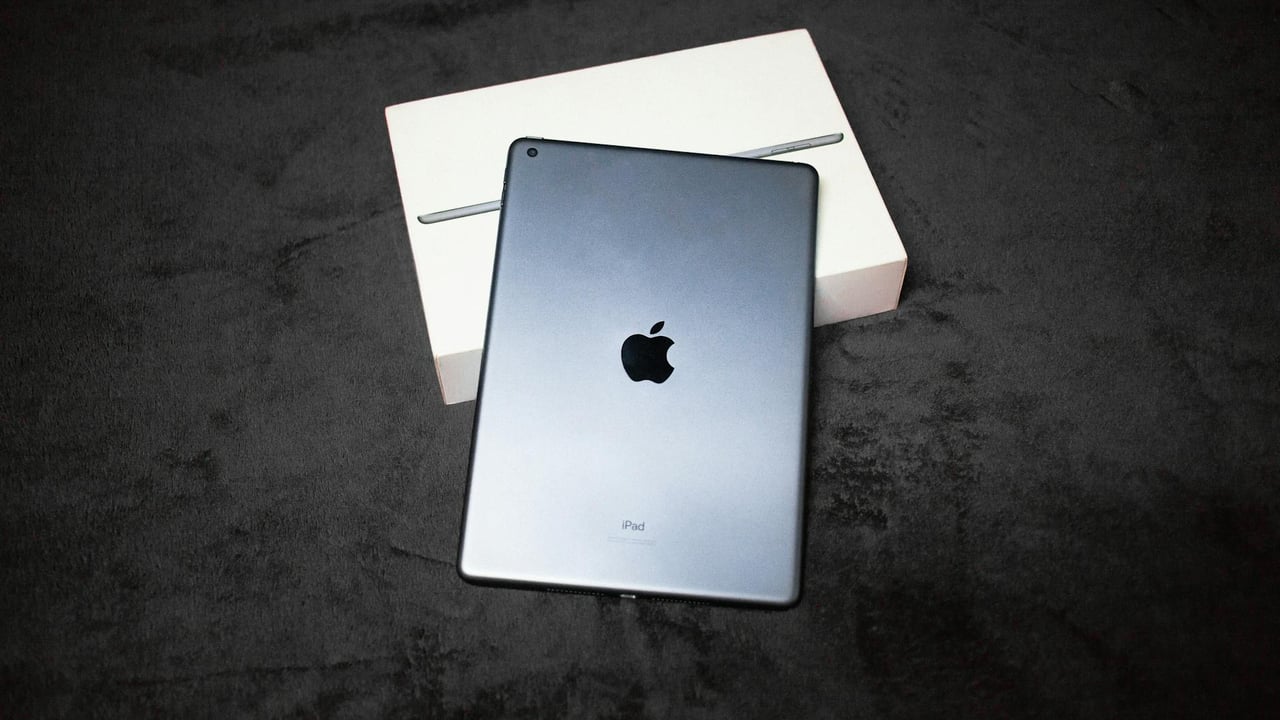

Apple on March 2 unveiled a refreshed iPad Air line powered by its new M4 chip, extending the company’s high-performance silicon into a mainstream tablet tier. The updated range includes an 11-inch model priced from $599 and a 13-inch model from $799, with pre-orders scheduled to open on March 4. The move signals Apple’s push to democratize more of its silicon performance across a wider set of devices.
The M4, the latest iteration of Apple’s in-house chip family, brings improved processing and energy-efficiency characteristics compared with prior Air models, tightening the technical distance between the Air and Apple’s Pro devices. While Apple has reserved some premium features for its Pro line, equipping the Air with M4-class performance will make it a far more capable tool for demanding apps—multitasking, photo and video editing, and larger on-device AI workloads—at a lower price point than previously possible.
For consumers, the refreshed lineup offers a clearer value proposition: near‑Pro performance in a lighter, less expensive chassis. The introduction of a 13-inch Air at $799 is particularly notable because it expands a larger-screen option into a segment traditionally dominated by Pro models, making large-format tablets more accessible to students, creative professionals on a budget, and enterprise buyers looking for cost-effective fleet upgrades.
For Apple, the decision is a strategic balancing act. Pushing powerful silicon down the lineup helps sustain iPad volume and service revenue growth, but it risks cannibalising sales of higher-margin Pro models and entry-level Macs. The effect will depend on how Apple differentiates the products beyond raw performance—through display tech, accessories, and software features that continue to justify a premium for Pro devices.
The refresh also has supply-chain and competitive implications. Broadening M4 deployment will increase demand for advanced chip production—work largely supplied by TSMC—and further insulate Apple from third-party chip suppliers. It intensifies pressure on Android tablet makers and PC vendors that compete on price and form factor, who will need to respond either by lowering price points or by emphasizing platform advantages such as Android flexibility or Windows productivity.
Timing matters. The launch comes as Apple prepares to refresh other product lines, creating a clustered product cycle that can drive a noticeable short-term bump in consumer and enterprise spending on Apple hardware. In regional markets like China—where Apple’s premium positioning faces both strong local competition and a large base of value-conscious buyers—the new Air models could strengthen Apple’s offer by combining aspirational branding with improved affordability.
Overall, the M4-equipped iPad Air is less a single-product story than a strategic pivot: Apple is choosing to broaden access to its silicon advantages while relying on ecosystem and feature differentiation to protect higher-margin tiers. The decision will shape tablet price dynamics, OEM competitive strategies, and Apple’s own product ladder over the next year.