
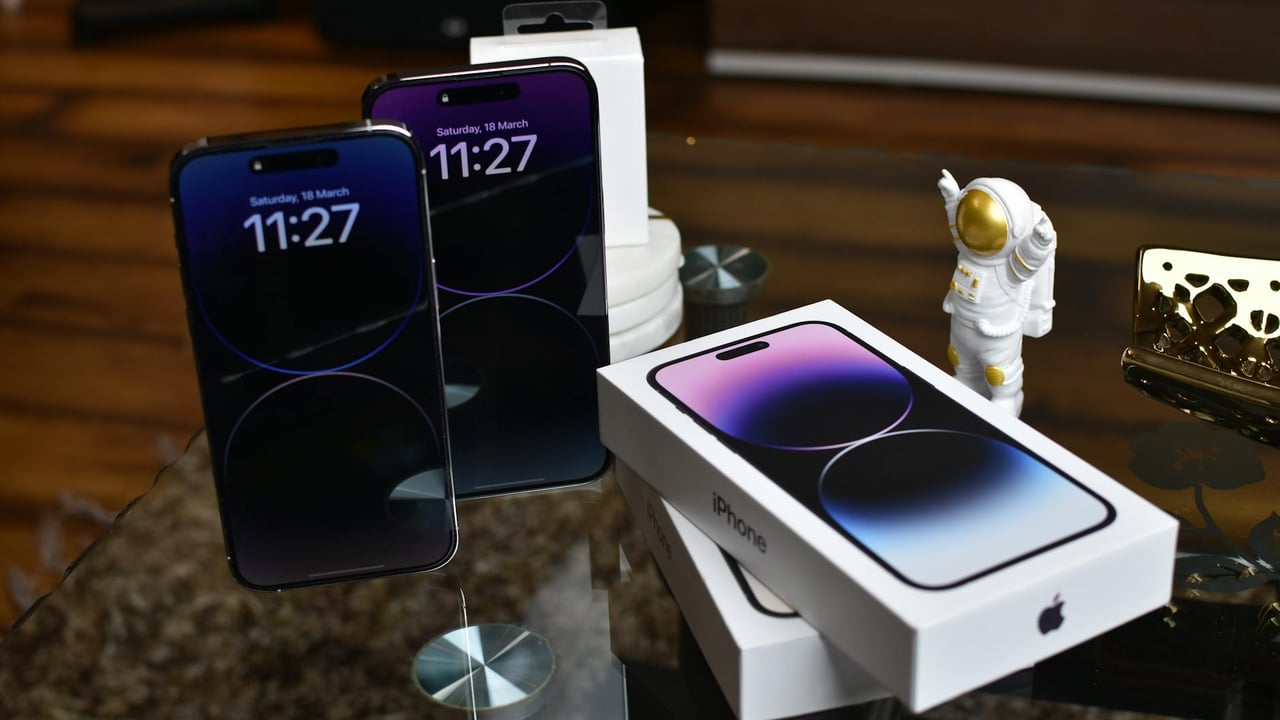

Apple has quietly listed a new model, the iPhone 17e, on its China online store with a starting price of 4,499 yuan and a 256GB baseline. The phone is scheduled to begin accepting pre‑orders at 10:15pm Beijing time on March 4 and uses the same‑generation A19 processor found across the iPhone 17 family, signalling performance parity with higher‑priced lines.
At roughly $620 at current exchange rates, the 17e’s sticker positions it below Apple’s top‑tier handsets while retaining a chip usually reserved for flagship models. The decision to start the model at 256GB — rather than the more common 128GB entry point for lower‑priced variants — is notable: it raises the perceived value for consumers who store more video and apps, and it reduces one axis of differentiation between Apple’s mid and high tiers.
The launch should be read against a competitive and strategic backdrop. China’s smartphone market remains intensely contested by domestic brands that have compressed prices while improving features. Apple has historically pursued premium pricing and service revenues, but periodic moves to broaden its price ladder reflect pressure to defend market share and slower upgrade cycles among Chinese buyers.
Technically, equipping the 17e with an A19 chip narrows the performance gap with pricier iPhone 17 models, allowing Apple to compete on both perceived speed and longevity. That approach can boost appeal among users who have deferred upgrades and want reliable performance without paying flagship premiums, though it also raises the risk of cannibalising Apple’s higher‑margin models.
The timing — a sudden listing on Apple’s China site followed by imminent pre‑orders — suggests manufacturing and supply arrangements are in place. For investors and competitors, the question will be how Apple balances volume growth against margin dilution, and whether further regional variants will follow to suit local tastes and price sensitivities.
What to watch next are early sales figures in China, any carrier or government incentives that affect out‑the‑door prices, and responses from domestic vendors. If the 17e sells well, it may prompt a wider rethink of Apple’s product ladder in other major markets and accelerate feature parity across price bands.