
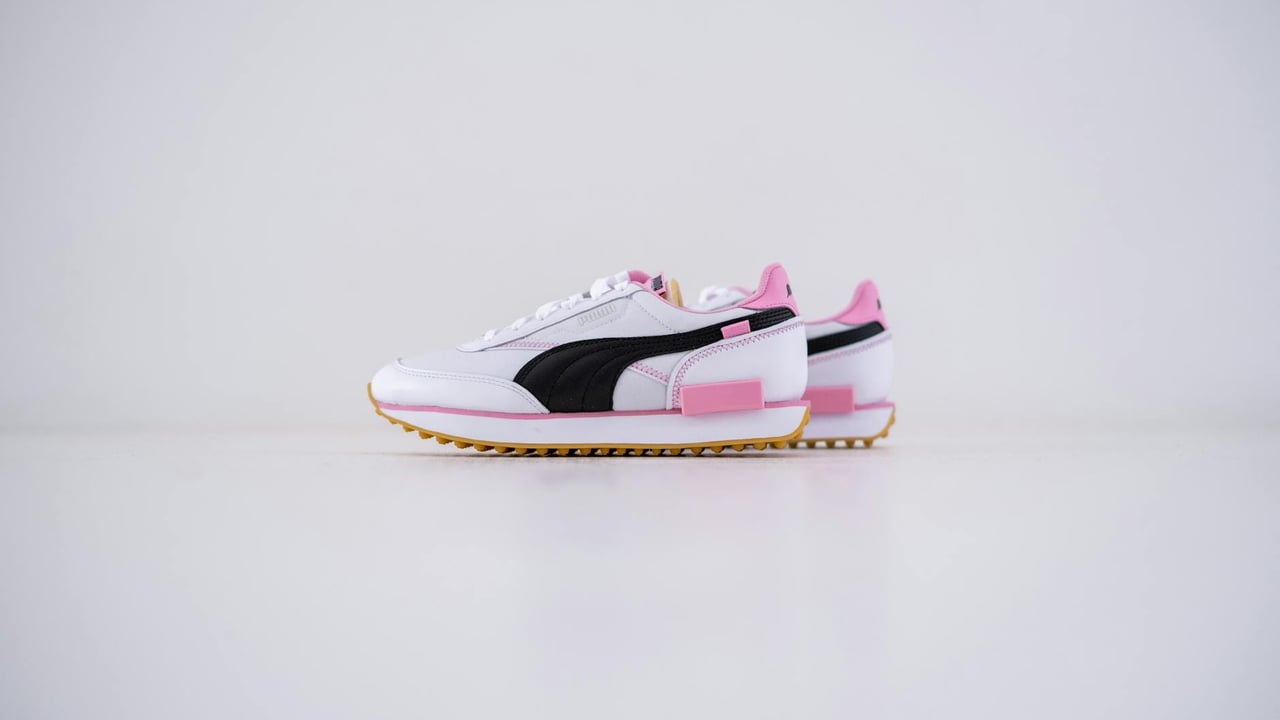

Anta Sports’ €1.5 billion purchase of a 29.06% stake in Puma arrived at an awkward moment for the German sportswear firm. Puma’s 2025 results, characterised by heavy inventory write-downs, deep discounting and a return to a net loss, have prompted fresh questions about whether Anta has bought a turnaround opportunity or a poisoned asset.
Puma reported full‑year sales down 8.1% to €7.296 billion and a net loss of €646 million after a year that its chief executive described as a “reset”. The company has suspended dividends for the year, announced a painful inventory clean‑up through outlets and wholesale partners, and begun cost cuts including roughly 1,400 planned layoffs. Management says the aim is to rebuild brand desirability by reducing over‑commercialisation and refocusing product and channels, but the short‑term hit on margins and reputation has been severe.
The slump is broad and international. EMEA sales fell 6.9% for the year and plunged 24.3% in the fourth quarter, the Americas declined 10% (with a Q4 drop of 22.2%) and even the Asia‑Pacific market, long viewed as a refuge, slid 7.4%. Product categories have weakened across the board: footwear, apparel and accessories all registered mid‑single‑digit to high‑single‑digit declines, undermining Puma’s once‑successful sport‑meets‑fashion strategy.
Greater China stands out as the lone bright spot, but with caveats. While wholesale‑dragged results left the region down close to 20% in Q4, Puma’s direct‑to‑consumer (DTC) operations grew about 10% year‑on‑year—its ninth consecutive quarterly DTC rise—suggesting there is still consumer appetite when Puma controls presentation and pricing. That Chinese resilience is likely a central part of Anta’s logic for committing capital now.
Anta’s track record offers context for its move. The Guangzhou‑based group has made a habit of buying into brands at low points and reconditioning them: it secured FILA’s Greater China rights in 2009 and turned FILA into a major revenue engine, and in 2019 it led the €4.66 billion takeover of Amer Sports, which has since met ambitious growth targets. Anta says it is not seeking a full takeover of Puma but influence via a significant minority stake and board representation, a strategy intended to limit integration risk while allowing Anta to export operational know‑how.
What makes Puma attractive despite its current turmoil is the intangible asset base that still matters in global sport. Puma’s sponsorship and technical partnerships—across football, running and motorsport, and with top clubs and teams—provide premium contexts and reach that Anta’s existing brands do not. For Anta, those assets represent a shortcut to mainstream sport credibility outside China, complementing its supply‑chain scale and Chinese retail expertise.
Yet the gamble is far from straightforward. Puma’s customer base has skewed female and younger, driven by fashion‑oriented products and influencer‑led demand. That positioning leaves gaps on the male, performance‑oriented side where Nike and Adidas retain pricing power and technical credibility. Puma’s recent push into high‑visibility men’s arenas—renewed motorsport and football commitments, and sponsorships of endurance events—signals a strategy to rebalance the brand but progress will take time and fresh product credibility.
Anta’s immediate toolbox is obvious: apply Chinese DTC know‑how, use its manufacturing and procurement advantages to produce higher‑performance models at aggressive price points, and leverage its domestic footprint to re‑establish Puma at scale in China. But executing those moves without eroding Puma’s heritage or alienating European wholesale partners is delicate. The company must also reconcile short‑term inventory remediation with long‑term brand elevation—too much discounting will sabotage the repositioning effort.
Investors are split. The premium Anta paid—roughly 62% above a January trading price—has drawn scepticism, and some analysts have trimmed Anta earnings forecasts to reflect integration risk and potential write‑downs. For Puma, the deal offers a lifeline of operational muscle and market access; for Anta, it is a fast track to global brand depth but carries the tail risks of cultural mismatch, mispositioning and execution failure.
Whether Anta can convert Puma’s sponsorship cache and Chinese retail resilience into a credible, global sporty brand will determine if this is a textbook turnaround or an expensive misstep. The answer will shape not just the fortunes of two companies but the broader map of global sportswear competition, where ownership and operational savvy increasingly matter as much as brand heritage.