
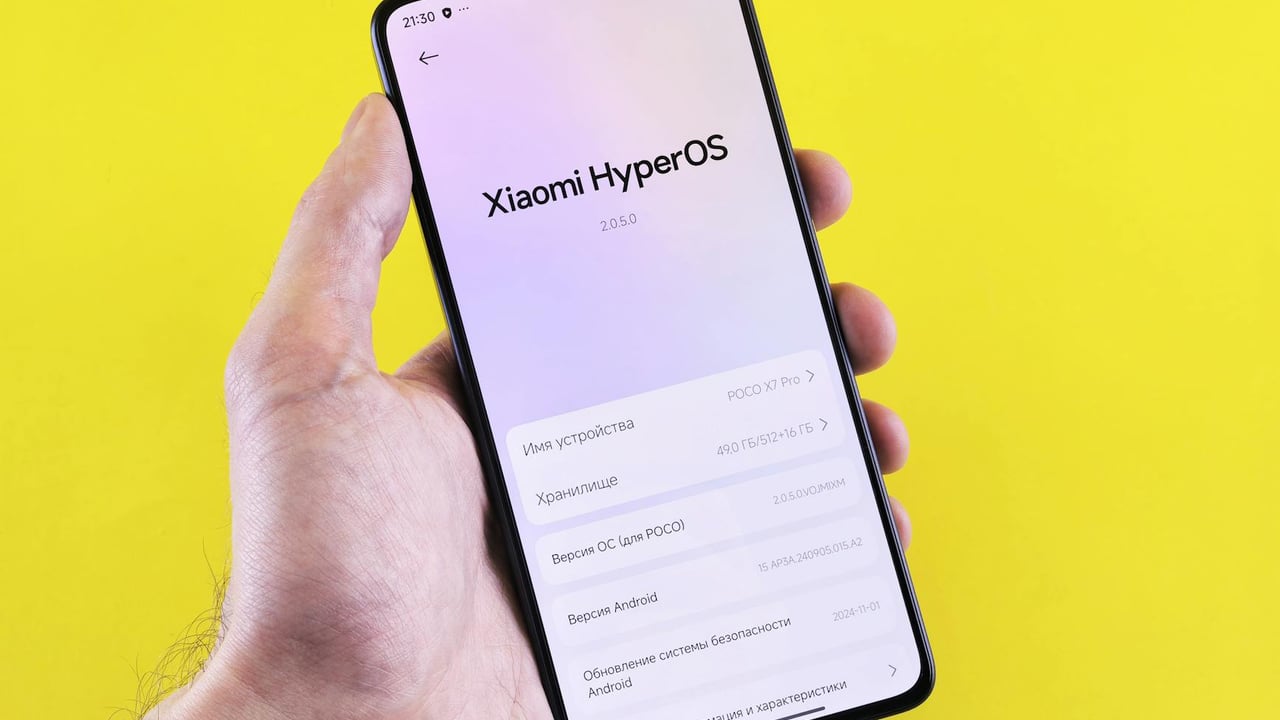

For years, the Chinese smartphone market has been defined by a relentless race to the bottom, where brands like Xiaomi and OPPO offered premium specifications at razor-thin margins. That era is coming to a painful end. A dramatic surge in memory chip prices, which have reportedly quadrupled over the past year, has forced China’s mobile giants to collectively abandon their low-price strategies. From budget-friendly handsets to high-end flagships, the cost of entry is rising across the board, signaling a fundamental shift in the global hardware economy.
The catalyst for this inflationary wave is the explosion of generative artificial intelligence. As data centers scramble for high-performance memory to power AI models, the production capacity for consumer-grade DRAM and NAND flash chips has been severely squeezed. Xiaomi’s President, Lu Weibing, recently described the current environment as an "unprecedented" long-term cycle, warning that memory costs for certain configurations have jumped nearly 400% compared to early 2023. For brands like Redmi, which built their reputation on "extreme cost-performance," these supply chain shocks are existential, leaving them with no choice but to pass the bill to the consumer.
The price hikes are not uniform but are pervasive. Xiaomi has adjusted prices for its Redmi K90 Pro Max and Turbo series, while OPPO and vivo have implemented increases ranging from 300 to 500 yuan across their mid-range and OnePlus lines. Even Huawei, which is currently enjoying a domestic resurgence, has priced its latest Mate 80 Pro Max variants significantly higher than previous iterations. While these increments might seem modest in isolation, they represent a significant barrier in a price-sensitive market that is already grappling with lengthened replacement cycles.
While domestic players are feeling the heat, all eyes remain on Apple. The Cupertino giant has so far maintained its pricing, even utilizing short-term promotions to gain market share in China. However, analysts suggest this is a temporary luxury afforded by Apple’s massive profit margins and superior supply chain leverage. As the memory crunch is expected to persist until late 2027, even the most resilient tech titans may eventually have to recalibrate their pricing for the next generation of hardware. The industry consensus is grim: IDC predicts a double-digit decline in global shipments for 2026 as higher average selling prices inevitably dampen consumer appetite.