
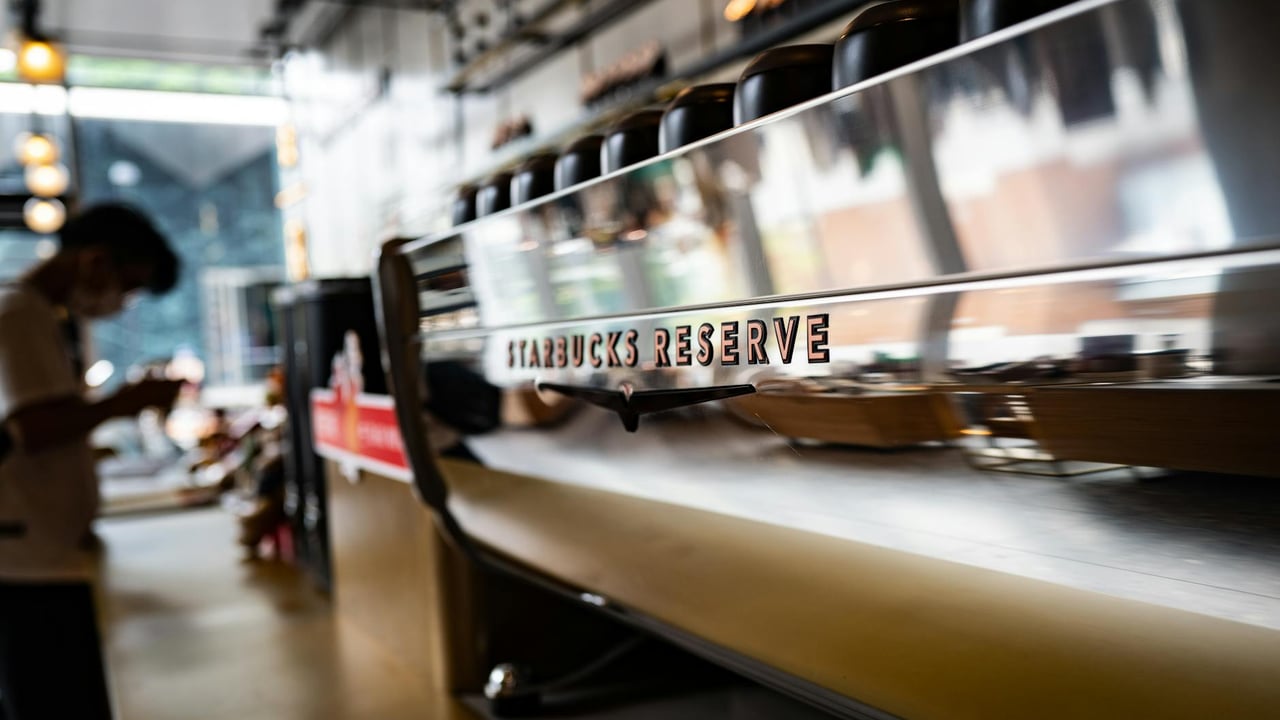

For over two decades, Starbucks served as the undisputed vanguard of China’s middle-class aspirations, selling more than just lattes; it sold the 'Third Space'—a sanctuary between work and home. That era has reached a definitive conclusion as the Seattle-based giant cedes majority control of its Chinese operations to private equity firm Boyu Capital. Under the terms of the landmark deal, Boyu will hold a 60% stake in a new joint venture, transforming Starbucks’ 8,000-plus Chinese locations into a franchise-like model.
This strategic retreat is fueled by a sobering reality: Starbucks’ dominance in China is evaporating at a staggering rate. Data from Euromonitor International reveals the brand’s market share plummeted from 34% in 2019 to just 14% in 2024. Meanwhile, domestic upstarts like Luckin Coffee have effectively upended the hierarchy, with Luckin now claiming 35% of the market. The competitive landscape has shifted from a premium experience to a brutal war of attrition fought on price and sheer volume.
The numbers tell a story of mismatched momentum. While Starbucks managed to add 415 stores in the latest fiscal year, Luckin expanded by over 8,700 locations in the same period—meaning the domestic leader adds in a single quarter what Starbucks manages in a year. To bridge this gap, the new partnership with Boyu aims to more than double the footprint to 20,000 stores. This expansion will focus heavily on lower-tier 'county-level' markets, utilizing a 'light' store model that prioritizes delivery and quick pickup over the traditional, expansive seating areas.
Adapting to China’s price-sensitive climate has already forced Starbucks into unprecedented territory. In 2025, the brand implemented its first systematic price cuts in 26 years, dropping the cost of flagship items to as low as 23 yuan. While this stabilized foot traffic, it has eroded margins and signaled a weakening of the brand's premium moat. By offloading operational control to Boyu, Starbucks HQ hopes to leverage local expertise in digital ecosystems and commercial real estate to navigate a market where coffee has become a utility rather than a luxury.
However, the move to a franchised-style model brings its own set of existential risks for the green siren. Private equity firms typically prioritize short-term returns and rapid scaling, which could clash with the long-term brand equity Starbucks has spent decades building. If the push for 20,000 stores results in inconsistent service or diluted brand identity, Starbucks may find that while it has increased its reach, it has lost the very soul that once made it a premium icon in the East.