

The specter of Cold War-era brinkmanship has returned to the Caribbean following reports that the U.S. Department of Defense may be weighing military action against Cuba. This escalation comes amidst a period of heightened regional instability and a stark hardening of American foreign policy objectives.
In Havana, President Miguel Díaz-Canel has sounded the alarm, describing the current climate as an 'absolutely challenging' moment for Cuban national security. Addressing the public in the capital, he pointed specifically to the threat of 'military aggression' from the United States as a clear and present danger to the island’s sovereignty.
Adding fuel to the fire, President Trump recently linked the Cuban situation to ongoing tensions in the Middle East during a briefing at the White House. By suggesting that a military 'stop' in Cuba could follow the resolution of the 'Iran problem,' the administration has signaled a potential shift from economic pressure to direct kinetic intervention.
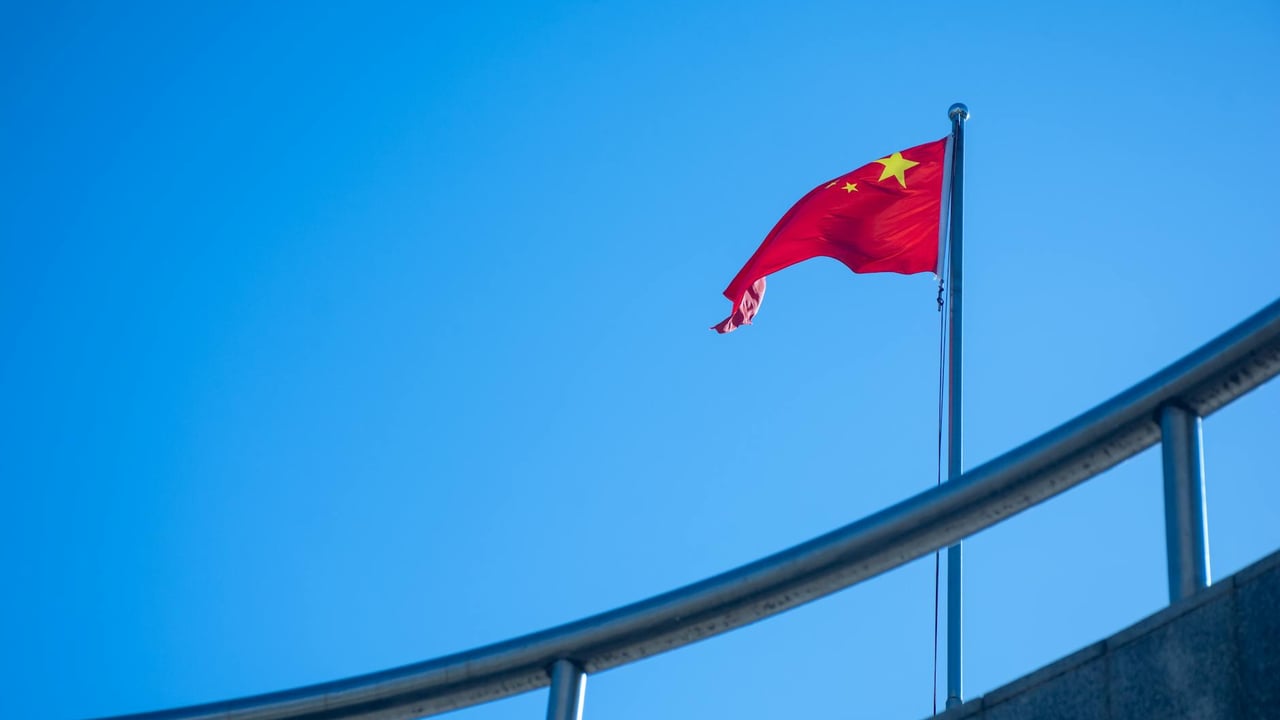
Beijing has wasted no time in positioning itself as Havana's primary diplomatic shield. Chinese Foreign Ministry spokesperson Guo Jiakun reaffirmed China's unwavering opposition to the use of force, emphasizing that the violation of national sovereignty under the guise of intervention remains a red line for the People's Republic.
This diplomatic friction highlights the deepening strategic alignment between China and Cuba. For Beijing, defending Havana is not merely about ideological solidarity but about challenging the traditional American 'Monroe Doctrine' that views the Western Hemisphere as Washington's exclusive sphere of influence.