Beyond the Brightness Wars: Hisense Challenges the 'Parameter Trap' in a Shrinking TV Market

Hisense marketing head Liu Weijie has criticized the television industry's obsession with technical specifications, arguing that 'parameter stacking' ignores actual consumer needs. As the Chinese TV market hits a ten-year low, the industry faces a technological deadlock between OLED and Mini LED limitations that requires a fundamental shift in innovation strategy.

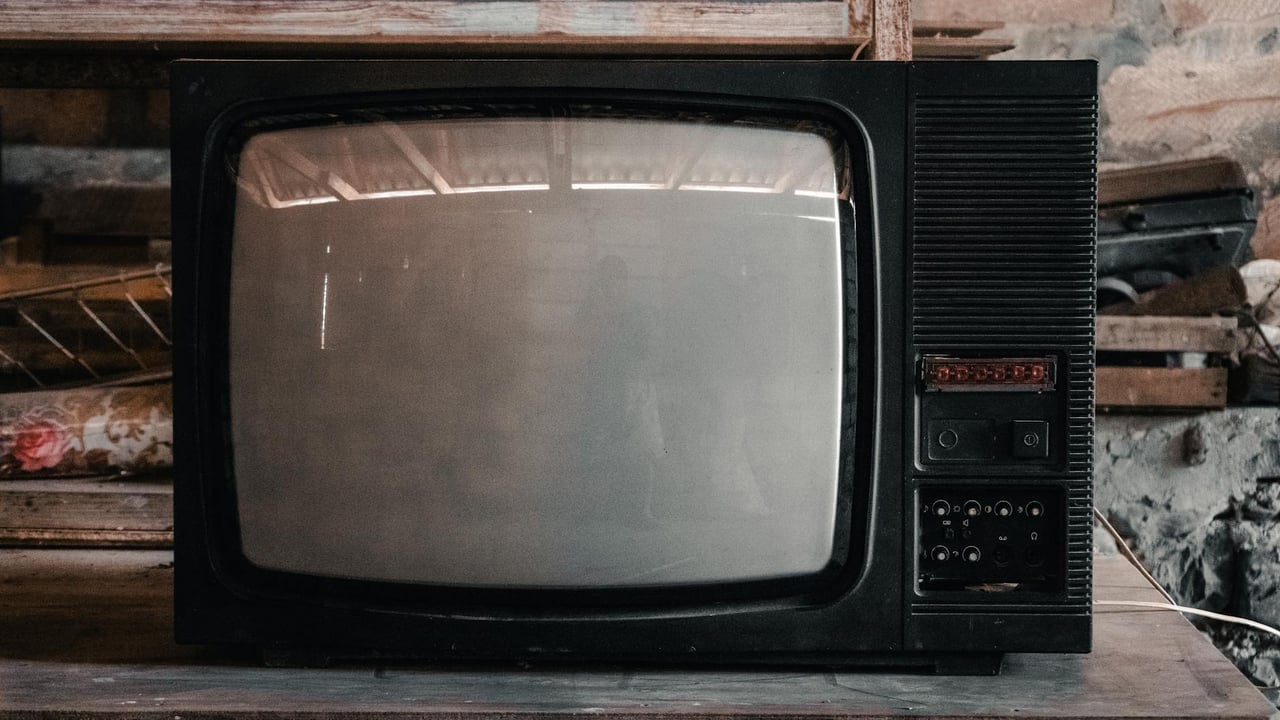
A classic black CRT television in a rustic, workshop environment with a nostalgic vibe.

Key Takeaways

  • 1The Chinese color TV market fell below 30 million units in 2025, a ten-year low and nearly half of its 2016 peak.
  • 2Hisense executives argue that the industry is trapped in 'parameter stacking,' focusing on brightness and zones while ignoring user pain points like glare and eye health.
  • 3The 'impossible triangle' of display tech highlights the inherent flaws in both OLED (burn-in, low brightness) and QD-Mini LED (color precision, eye strain).
  • 4Hisense is pivoting toward a household-centric value model to escape the stagnation of the current technical 'involution' in the display sector.

Editor's
Desk

Strategic Analysis

The rhetoric from Hisense reflects a broader trend in Chinese consumer electronics: the 'Red Queen' problem, where companies must innovate at breakneck speeds just to maintain their market position. The collapse of TV sales volume suggests that the television is losing its status as the 'hearth' of the home, displaced by mobile devices and tablets. By critiquing the 'parameter trap,' Hisense is attempting to move the goalposts from a hardware race—where margins are razor-thin—to a 'lifestyle' value proposition. This is a survival tactic; if manufacturers cannot justify premium pricing through meaningful user experience, the industry risks becoming a commoditized race to the bottom. The mention of an 'impossible triangle' suggests that we are on the precipice of a new display medium, perhaps Micro-LED or further refined RGB-Mini LED, as the current frontrunners reach their physical limits.

China Daily Brief Editorial
Strategic Insight
China Daily Brief

The global display industry is facing a mid-life crisis. As the Chinese television market—the world’s most competitive—contracts to a decade-low of 27.6 million units, manufacturers are finding that raw technical power is no longer the lure it once was. In 2025, sales volume dipped below the critical 30-million mark, representing a near 50% collapse from the 2016 peak. This 'involution' has left brands fighting for a shrinking pie, primarily by engaging in an aggressive arms race of technical specifications.

At the recent launch of the Hisense E5 series, Liu Weijie, Marketing President of Hisense’s Display Division, signaled a strategic pivot away from what he calls 'warped competition.' For years, the industry has prioritized 'parameter stacking'—an obsession with backlight zones and peak brightness levels that often fails to translate into a better viewing experience in a typical living room. Liu argues that these metrics have created a 'distance' between the technology and the user, failing to address core frustrations like screen glare and eye fatigue.

The stagnation is rooted in what Hisense describes as a 'technological impossible triangle.' Current mainstream paths are riddled with trade-offs: OLED technology offers superior blacks but suffers from brightness ceilings and burn-in risks, while traditional QD-Mini LED excels in longevity but struggles with color accuracy and eye protection. This deadlock has led to an era of incremental 'patchwork' improvements rather than the disruptive innovation required to reignite consumer interest.

Hisense’s new directive seeks to redefine the 'Good TV' through the lens of the domestic environment rather than the laboratory. By focusing on 'real-world' pain points, the company is attempting to break the cycle of diminishing returns in hardware specs. This shift suggests that the next frontier for display leaders will not be measured in nits or zones, but in how seamlessly a device integrates into the digital wellness and aesthetic demands of the modern household.

Share Article

Related Articles

📰
No related articles found