
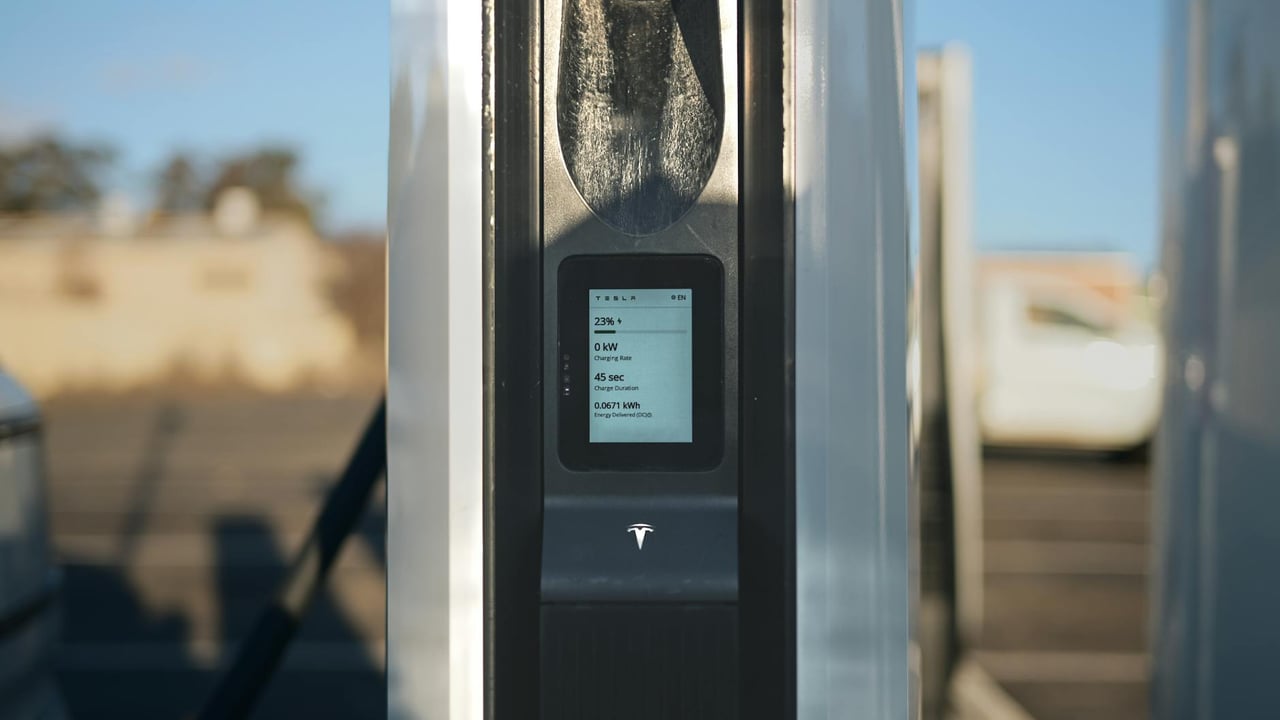

The first day of China’s 2026 Labor Day holiday has provided a striking barometer for the country’s energy transition. Charging volume for new energy vehicles (NEVs) surged by 55.6% year-on-year, a figure that far outpaces general tourism growth. This spike reflects a fundamental shift in consumer behavior, as Chinese drivers increasingly trust electric vehicles for long-distance intercity travel, a domain once reserved for internal combustion engines.
Supporting this infrastructure strain is a month of blockbuster sales across the domestic automotive sector. April delivery data reveals a market in high gear, with Zeekr leading the pack by delivering 31,787 units—a staggering 132% increase compared to the previous year. Meanwhile, Li Auto maintained its premium-sector stronghold with 34,085 deliveries, and NIO reported a healthy 22.8% climb to over 29,000 units. These figures suggest that the aggressive price wars of early 2026 have successfully converted cautious buyers into owners.
Traditional giants are also pivoting with notable success. Chery Group reported April sales of 251,000 vehicles, up 25.2%, while Great Wall Motors saw a steady 6.25% increase to over 106,000 units. The diversification of the market—ranging from high-end tech-heavy SUVs to affordable urban commuters—is creating a comprehensive ecosystem that makes the transition to electric seem inevitable rather than optional for the average Chinese household.
However, the massive 55.6% jump in holiday charging also highlights the ongoing pressure on China’s power grid and highway service infrastructure. As companies like Xiaomi and Tesla continue to dominate headlines with data-driven milestones, the focus is shifting from simple vehicle delivery to the 'after-sales' experience: charging speed, station availability, and grid stability during peak migration periods. The 'Five-One' holiday data serves as a live-fire test for a nation that has bet its industrial future on the electrification of transport.