
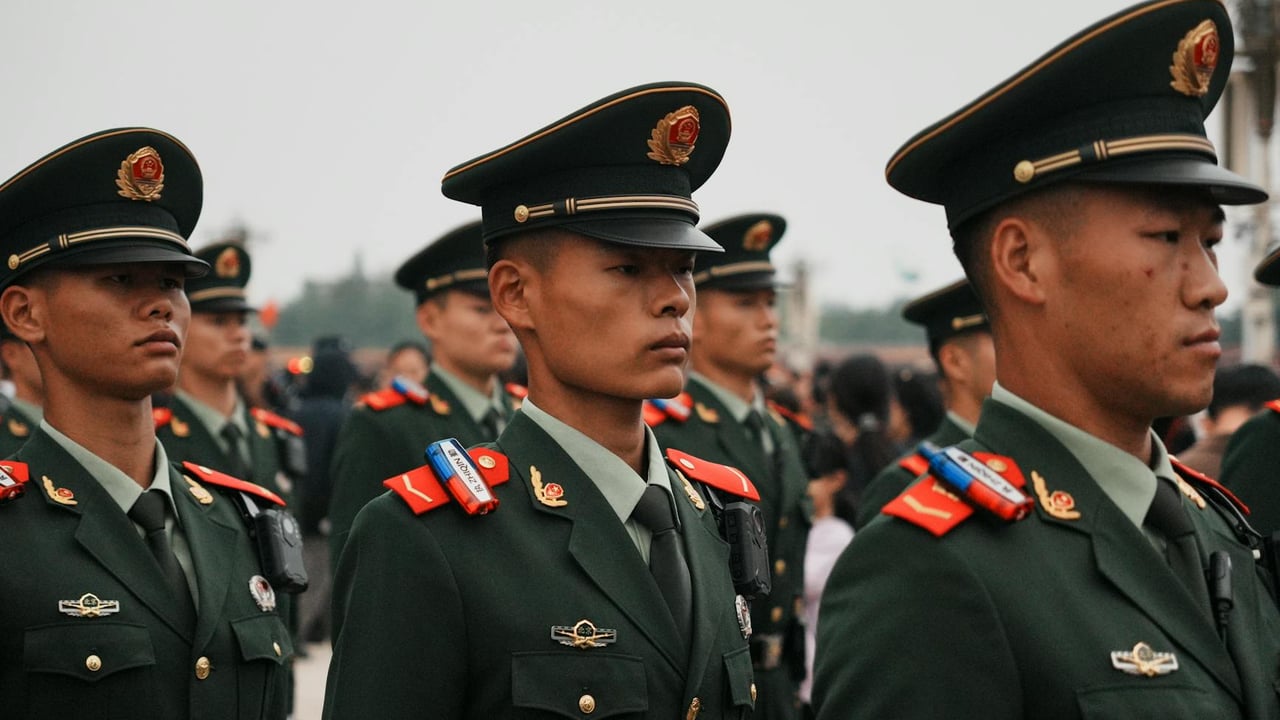

On May 4, a date traditionally reserved for commemorating the anti-imperialist fervor of the 1919 May Fourth Movement, the People’s Liberation Army Navy (PLAN) released a high-profile tribute to its youngest sailors. This narrative, centered on the theme of 'New Youth,' serves as a window into the ideological and structural shifts currently transforming China’s maritime forces. By positioning its junior officers and enlisted personnel as a fearless vanguard, the PLAN is signaling a move away from its historical roots as a coastal defense force toward a modern, blue-water navy.
The rhetoric of being 'unafraid of the next wave' is more than mere patriotic flourish; it reflects the deep-seated necessity for a technologically proficient workforce. As the PLAN inducts more sophisticated platforms—ranging from the Type 003 aircraft carriers to advanced stealth destroyers—the demand for personnel who can navigate complex electromagnetic environments and autonomous systems has reached a critical point. This generation is being rebranded as intellectual warriors, bridging the gap between traditional military discipline and the high-tech requirements of modern naval warfare.
Furthermore, the focus on youth is a strategic response to China’s shifting demographic landscape. In an era of an aging population and a shrinking labor pool, the military must compete with the private sector for the nation's brightest minds. By framing naval service as the ultimate expression of modern Chinese identity, the state aims to attract a cohort that is not only technically skilled but also ideologically aligned with the 'China Dream' of national rejuvenation.
This cultural push also carries significant geopolitical weight. The emphasis on resilience and the readiness to face turbulence suggests a psychological preparation for the intensifying contest in the Indo-Pacific. As these 'New Youth' take their stations across the disputed waters of the South China Sea and beyond, their perceived resolve is marketed as a key component of China’s broader deterrent strategy against regional and global rivals.