Beyond the TSMC Monopoly: Apple Courts Intel and Samsung in High-Stakes Silicon Search

Apple has initiated exploratory talks with Intel and Samsung to diversify its processor manufacturing and reduce its total dependence on TSMC. While no formal orders have been placed, the move highlights Apple's long-term strategy to mitigate supply chain risks and leverage US-based manufacturing.

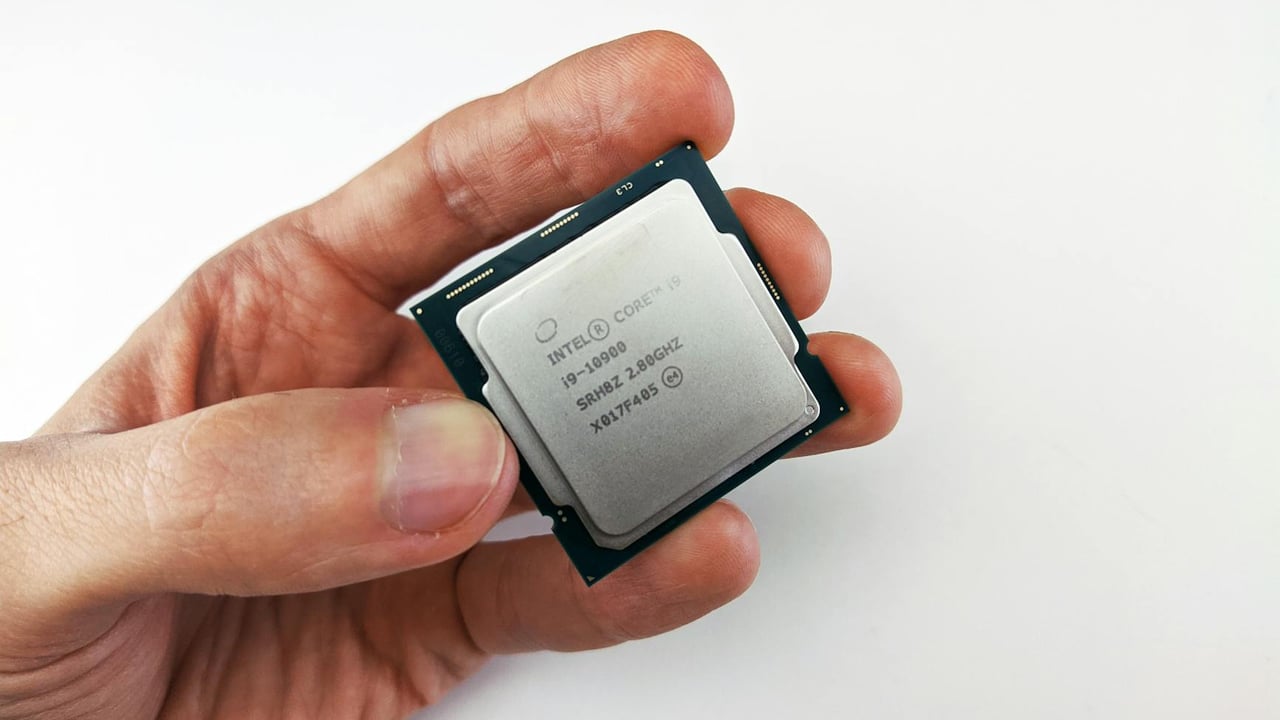
Close-up view of a hand holding an Intel Core i9 processor chip, showcasing technology details.

Key Takeaways

  • 1Apple held preliminary discussions with Intel regarding its foundry services.
  • 2Apple executives visited Samsung's advanced chip manufacturing plant in Texas.
  • 3The primary goal is to reduce reliance on TSMC amid geopolitical concerns.
  • 4Significant technical hurdles and performance concerns currently prevent a full transition away from TSMC.
  • 5Talks are in the 'very early' stages with no firm production orders yet.

Editor's
Desk

Strategic Analysis

This outreach is a classic 'Plan B' maneuver designed to exert leverage over TSMC while addressing mounting pressure from Washington to secure a domestic chip supply. While Intel and Samsung's yields and node transitions have historically lagged behind TSMC's gold standard, the mere existence of these talks serves as a warning shot to the Taiwanese giant. For Intel specifically, securing Apple as a foundry customer—even for a legacy or secondary chip—would be the ultimate validation of its turnaround strategy. Ultimately, Apple is playing a long game of 'Silicon Sovereignty,' where supply chain resilience is becoming as vital as the architecture of the chips themselves.

China Daily Brief Editorial
Strategic Insight
China Daily Brief

Apple is gingerly testing the waters of a post-TSMC future, engaging in preliminary discussions with Intel and Samsung Electronics to potentially manufacture its proprietary processors. These exploratory talks, though yet to yield formal orders, signal a strategic pivot by the iPhone maker to mitigate its heavy reliance on Taiwan Semiconductor Manufacturing Company (TSMC), which currently produces the lion's share of Apple's high-end silicon.

The outreach includes early-stage negotiations with Intel regarding its burgeoning foundry services and a high-level visit by Apple executives to Samsung’s advanced manufacturing facility currently under construction in Texas. By entertaining these rivals, Apple is not merely shopping for price; it is seeking a geographic and technical hedge against the concentrated geopolitical vulnerabilities of the Taiwan Strait.

However, the path to diversification remains fraught with technical friction. Apple remains deeply skeptical of shifting its precision-engineered designs to non-TSMC processes, fearing potential drops in performance or power efficiency. This technological lock-in means that while the discussions are significant, a true departure from TSMC’s ecosystem remains a long-term aspiration rather than an imminent reality.

For Intel and Samsung, the potential of an Apple contract represents more than just revenue; it is a seal of approval for their foundry capabilities. Intel, in particular, is desperate to prove its 'IDM 2.0' strategy by securing a tier-one client. Meanwhile, Samsung’s massive investment in its Texas plant suggests a future where Apple could dual-source its 'Made in America' chips, provided the Korean giant can finally match TSMC’s legendary yield rates.

Share Article

Related Articles

📰
No related articles found