
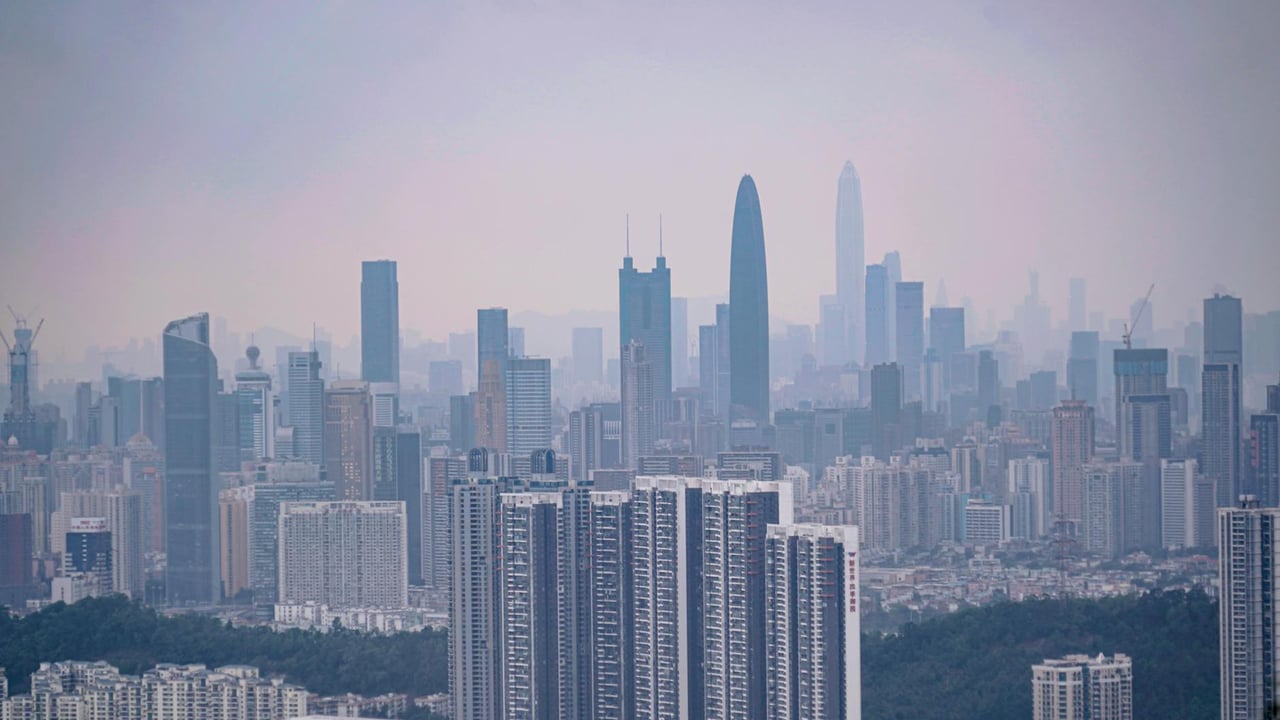

The 2026 May Day holiday has delivered a rare jolt of optimism to China’s beleaguered real estate sector. In Shenzhen, the tech hub often viewed as the country’s property bellwether, developers reported the return of the 'Sold Out in a Day' phenomenon, with one project in the Guangming district moving 92 units for over 350 million yuan in a single afternoon. City-wide data suggests a 43% year-on-year surge in new home subscriptions, a startling rebound for a market that has spent the last four years in a deep freeze.
This resurgence is no accident of consumer sentiment; it is the direct result of what analysts are calling a 'policy blitzkrieg.' Following a late-April Politburo meeting that explicitly demanded stability in the housing market, a coordinated wave of deregulation swept through Shenzhen, Guangzhou, Tianjin, and Wuhan. For the first time in years, the 'iron ceiling' of residency-linked buying restrictions—the hallowed Hukou system—is being systematically dismantled in the nation’s most expensive core districts.
In Guangzhou, authorities have even broken a long-standing national taboo by guaranteeing school enrollment at the pre-sale stage. By linking property titles directly to prestigious educational access before the buildings are even completed, the government is attempting to eliminate the 'blind box' risk that has long deterred middle-class buyers. These moves signal a shift from incremental 'micro-adjustments' to a full-scale assault on the barriers that have historically suppressed demand in Tier-1 cities.
Despite the holiday euphoria, the underlying economic stakes remain precarious. Real estate directly influences over 50 industries and accounts for roughly 15% of China’s GDP and 70% of household wealth. The current intervention aims to break a 'negative feedback loop' where falling prices erode consumer confidence and local government revenues, which in turn stifles broader economic growth. Beijing has realized that the cost of letting the market bottom out naturally is too high for the social and fiscal fabric to bear.
However, the recovery remains deeply fragmented. While core districts in Beijing and Shenzhen are seeing hundreds of buyers lining up overnight, the vast majority of third- and fourth-tier cities continue to grapple with massive inventory and dwindling populations. The market is entering a '20/80' era, where 20% of high-value assets in core urban hubs may stabilize while the remaining 80% face a long, painful period of stagnation or further decline.
Looking ahead, the sustainability of this 'May Day rally' depends on whether the central government can maintain this level of policy intensity. If the 'big two'—Beijing and Shanghai—do not follow through with similar radical easing within the coming weeks, the current momentum could evaporate as it did after the '5-17' stimulus of 2024. For now, the message is clear: the era of speculative growth is dead, and the government is fighting a desperate rearguard action to ensure that property remains a store of value rather than a source of systemic risk.