
# Hukou Reform
Latest news and articles about Hukou Reform
Total: 7 articles found
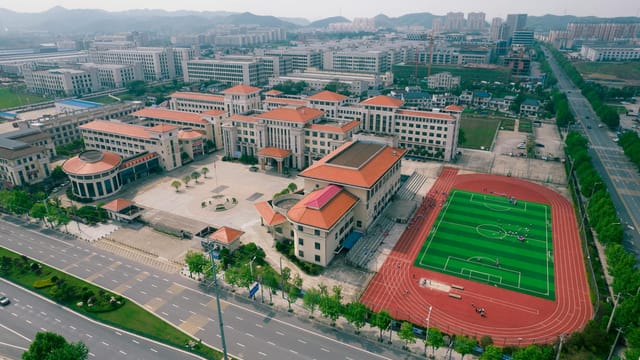
China Dismantles the Hukou Wall: A New Blueprint for Urban Integration
China has launched its first comprehensive national policy to decouple basic public services from the household registration (hukou) system. This reform aims to provide 250 million migrant residents with equal access to education, housing, and healthcare, serving as a critical move to boost domestic consumption and modernize the nation's urbanization model.

Dismantling the Invisible Wall: China Shifts to Residence-Based Public Services
China’s State Council has issued new guidelines to provide basic public services based on permanent residence rather than household registration (hukou). This reform aims to grant migrant workers equal access to education, housing, and healthcare to support an inclusive, consumption-driven urbanization model.

China’s High-Stakes Gamble: Radical Policy Easing Sparks a Tenuous Tier-One Property Recovery
China’s tier-one cities experienced a notable rebound in property sales during the 2026 May Day holiday, fueled by a radical new wave of policy easing that removed long-standing purchase restrictions. While the surge in Shenzhen and Guangzhou suggests a recovery in buyer confidence, analysts warn that the market is entering a period of permanent divergence between core urban assets and stagnant peripheral regions.
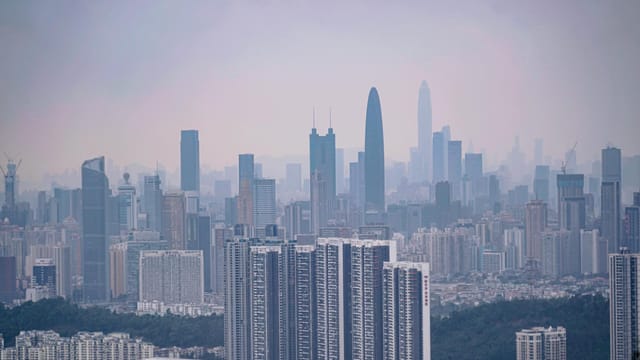
China’s Property Blitzkrieg: Can Policy Shock Therapy Resuscitate the Ailing Market?
Coordinated policy easing in China’s major cities led to a significant surge in property sales during the 2026 May Day holiday. While core urban areas are seeing a localized recovery, the broader market remains divided, signaling a permanent shift toward structural divergence rather than a nationwide boom.

The Great Sorting: How Demographic Gravity is Reshaping China’s Power Centers
Recent demographic data from China shows a significant decline in young residents in major cities like Beijing and labor-exporting provinces like Henan, while Guangdong and Zhejiang remain primary magnets for migrants. Major tier-one cities are increasingly using Hukou reform as a strategic tool to attract top-tier talent while managing the costs of public service provision.
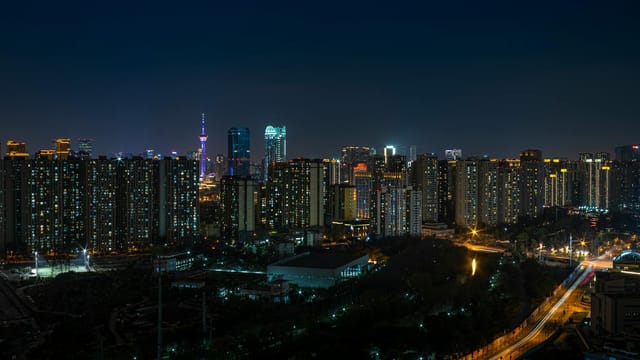
The Great Inland Pivot: Chengdu Challenges Beijing for Demographic Dominance
As Beijing intentionally restricts its population growth through 'de-population' policies, Chengdu is poised to become China's third-largest city by 2030. This shift reflects a broader national trend where strong provincial capitals act as demographic reservoirs, concentrating resources and labor to offset regional population declines.

China’s Nuptial Bounce: How Policy Reform and the ‘Sweet Economy’ Revived Marriage Rates
China reported a 10.76% increase in marriage registrations in 2025, reaching 6.76 million pairs. This growth is largely attributed to landmark policy reforms that removed residency-based restrictions and a new municipal focus on the 'Sweet Economy' to drive local consumption.