
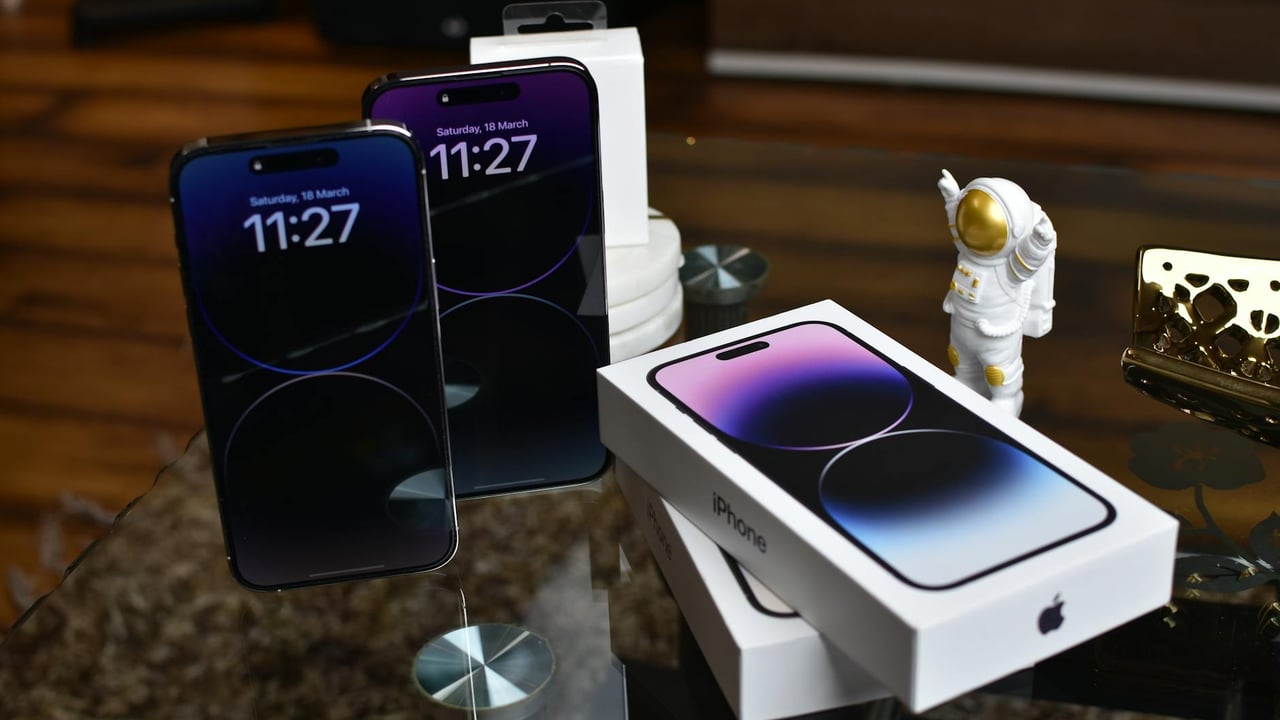

As the mid-year '618' shopping festival approaches, the truce in China’s premium smartphone sector has come to an abrupt end. In a move that signals heightening desperation for market dominance, Apple has authorized unprecedented price cuts for its current flagship, the iPhone 17 Pro. With combined subsidies and trade-in offers, consumers are seeing price drops of up to 2,000 RMB, bringing the premium handset below the psychologically significant 7,000 RMB threshold for the first time since its launch.
Huawei has responded with even more aggressive tactics, specifically targeting the high-margin foldable segment. The domestic champion announced price reductions of 1,000 RMB for the Mate X7 and a staggering 3,000 RMB for the Mate X6. This direct confrontation suggests that the days of 'firm pricing' for flagship devices are over, replaced by a tactical necessity to clear inventory and capture a shrinking pool of premium buyers.
The timing of these cuts is particularly revealing given the broader macroeconomic headwinds. Global supply chains are currently grappling with the rising costs of NAND Flash and DRAM components, which has forced many mid-tier Android manufacturers to actually raise their prices. By cutting prices while material costs are climbing, Apple and Huawei are leveraging their massive scale and service-based revenue streams to squeeze out smaller competitors who cannot afford a margin-eroding price war.
Market analysts suggest this aggressive posture is a direct result of Huawei’s full-throttle return to the top tier of the Chinese market. For the first time since 2020, Huawei has reclaimed a leading market share, forcing Apple to abandon its traditional wait-and-see approach. As the market shifts from a volume-driven model to one defined by market value and brand loyalty, the '618' festival has become a critical barometer for which titan will define the high-end landscape for the remainder of the year.