
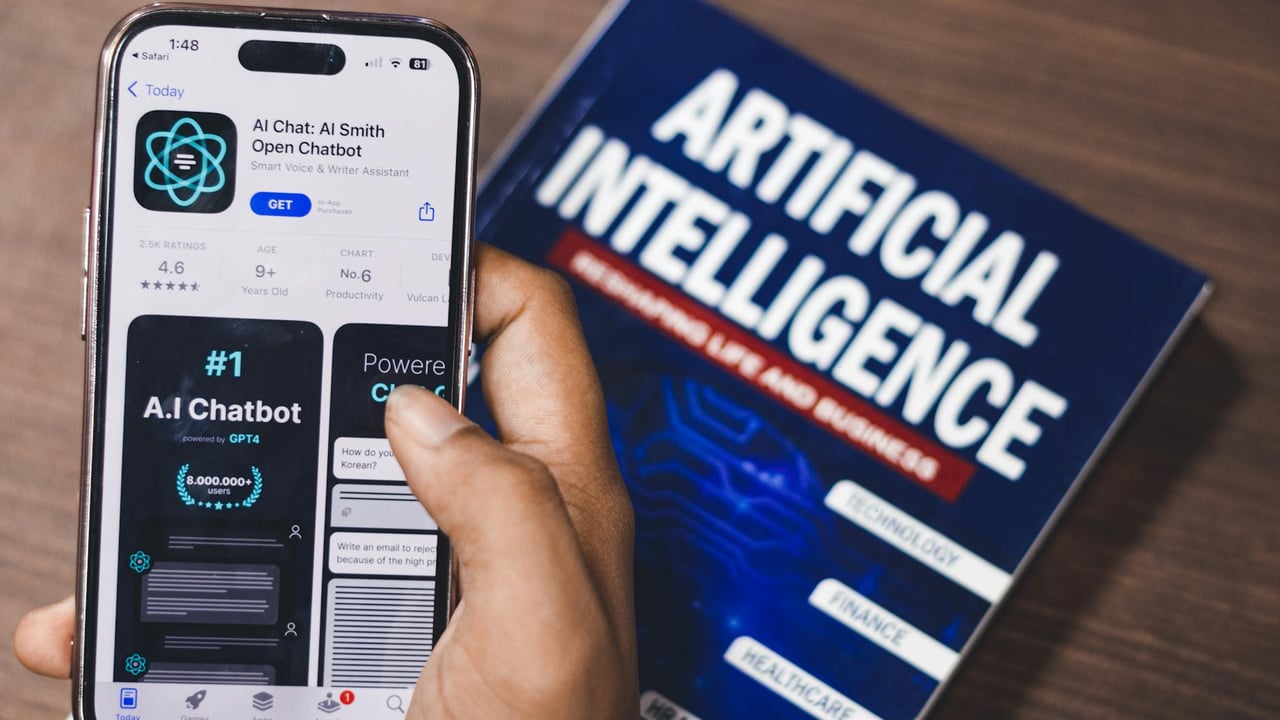

The honeymoon period between the world’s most valuable consumer brand and its most prominent AI startup appears to be cooling. Reports indicate that the partnership between Apple and OpenAI is fraying as the two-year agreement fails to deliver the subscription windfall OpenAI initially anticipated. While OpenAI hoped ChatGPT’s integration into the Apple ecosystem would drive massive user conversion, the reality has been a muted rollout where AI features remain largely sidelined within Apple’s operating system, potentially setting the stage for a high-stakes legal confrontation.
Simultaneously, China’s search giant Baidu is restructuring its internal hierarchy to defend its lead in the domestic AI race. The company has established the Baidu Model Committee (BMC), a strategic body comprised of younger researchers with deep technical expertise. This committee will oversee both foundational and application-specific model units, signaling a shift toward more agile, specialized leadership designed to bypass traditional corporate bureaucracy and accelerate model deployment.
Beyond software, the focus of the AI industry is increasingly shifting toward physical manifestations of intelligence. Honor CEO Li Jian has announced the upcoming release of the 'Robot Phone' in the third quarter of 2026, featuring a proprietary 4-DoF gimbal system. This move reflects a broader trend among hardware manufacturers to integrate robotic capabilities directly into mobile devices, blurring the line between personal electronics and autonomous assistants.
Industrial automation is following a similar path of intelligent evolution through deepened collaboration. FANUC, a titan of industrial robotics, is expanding its partnership with NVIDIA to utilize the Isaac robotics platform for next-generation autonomous mobile robots. This synergy aims to solve complex learning tasks in manufacturing settings, underscoring how generative AI is migrating from digital chat interfaces to the physical factory floor.