
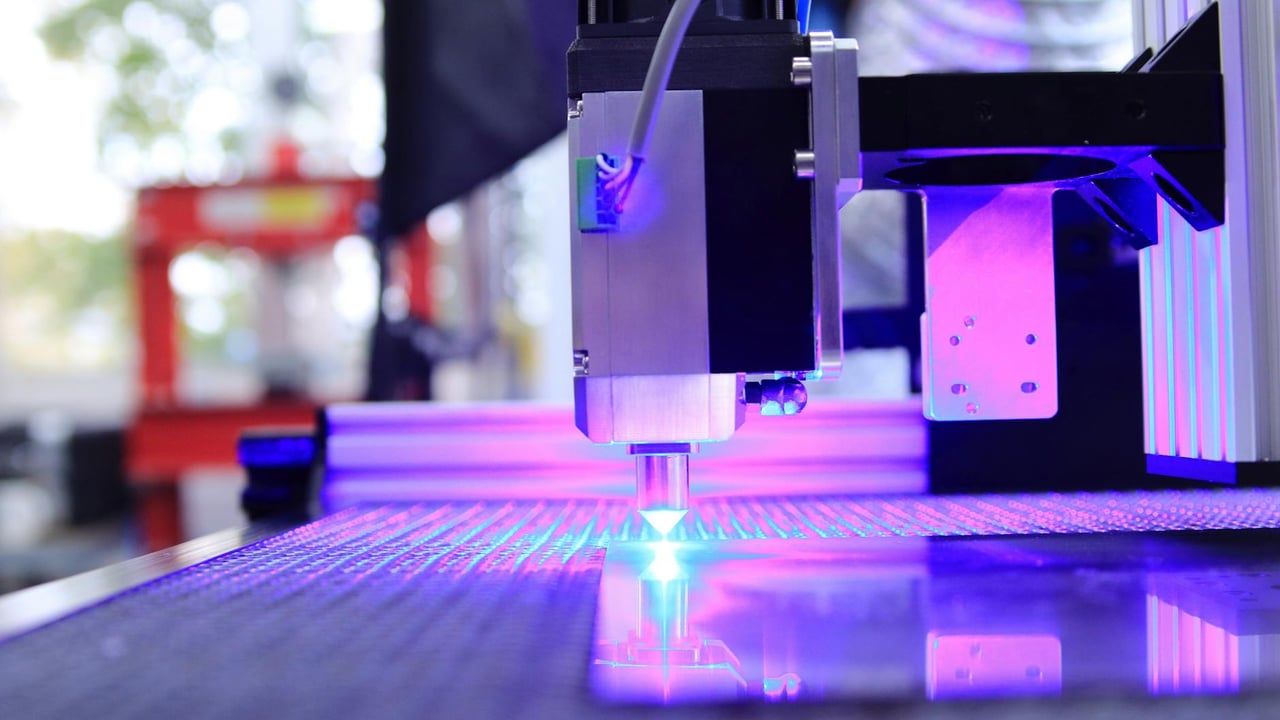

Wuhan DR Laser Technology has announced the successful shipment of its panel-level glass substrate through-hole (TGV) equipment, marking a significant milestone in China's pursuit of advanced semiconductor packaging. The company’s TGV laser micro-hole technology is designed for high-precision applications in semiconductor chip packaging and advanced display architectures. By achieving full coverage across both wafer-level and panel-level laser processes, DR Laser is positioning itself at the forefront of a critical materials transition within the global electronics supply chain.
The shift toward glass substrates represents a major pivot in the semiconductor industry as traditional organic materials reach their physical limits. Glass offers superior flatness, thermal stability, and mechanical strength, which are essential for the massive, high-density chips required for artificial intelligence and high-performance computing. DR Laser’s ability to drill microscopic vias through glass at a panel-level scale suggests a path toward higher manufacturing yields and lower costs compared to traditional wafer-based methods.
This development comes as global giants like Intel and Samsung accelerate their own glass substrate roadmaps to sustain the momentum of Moore’s Law. For Chinese equipment manufacturers, mastering TGV technology is not merely a commercial win but a strategic necessity. As international trade restrictions continue to target front-end lithography tools, China is increasingly looking to back-end 'advanced packaging' as a viable lever to enhance chip performance and secure domestic supply chain resilience.
DR Laser’s transition from a leader in photovoltaic laser equipment to a serious contender in semiconductor hardware underscores a broader trend of industrial cross-pollination in China. The precision laser techniques perfected in the solar industry are now being repurposed to solve the intricate thermal and signal integrity challenges of next-generation computing. This successful shipment validates the company's R&D direction and signals to the market that the glass substrate ecosystem is moving from theoretical research into the early stages of industrial application.