
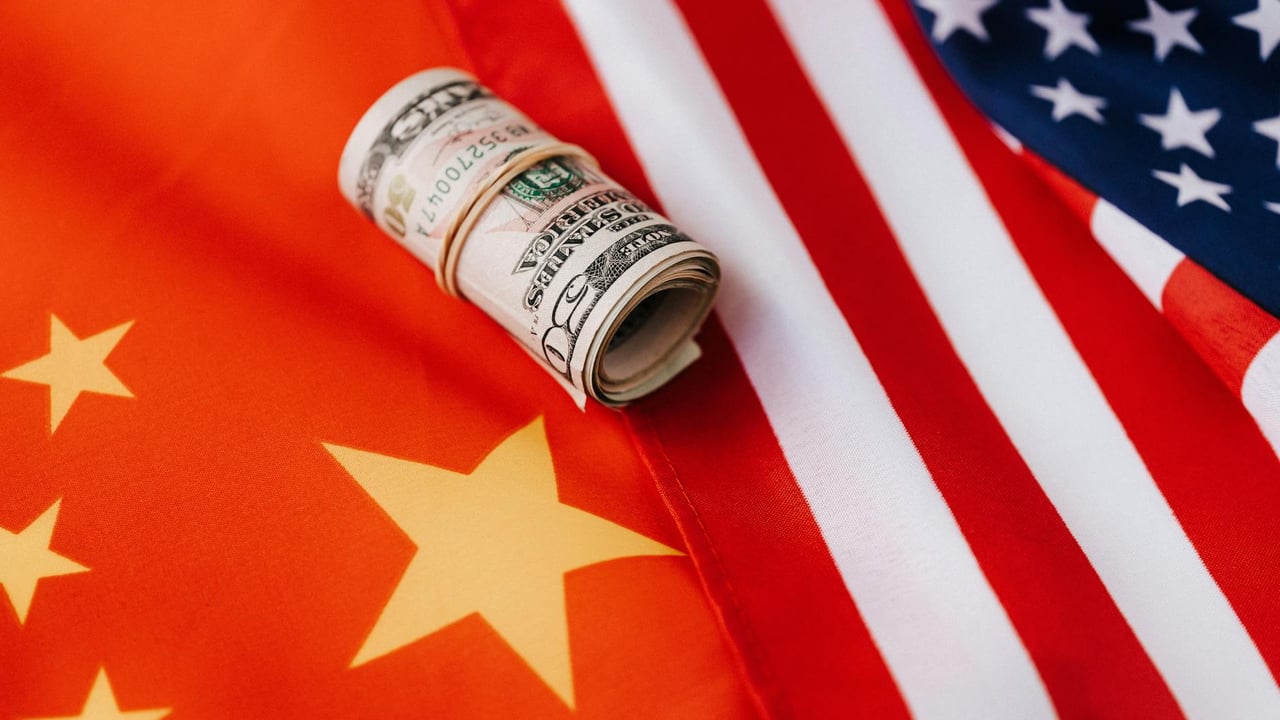

In a potential turning point for the world’s most consequential economic relationship, China’s Ministry of Commerce has announced that Beijing and Washington have reached a preliminary agreement to discuss a reciprocal reduction in trade tariffs. The proposed framework, negotiated under the auspices of the bilateral Trade Council, envisions a mutual scaling back of duties on goods worth $30 billion or more from each side. This development suggests a significant de-escalation effort after years of protectionist friction that has reshaped global supply chains.
He Yadong, a spokesperson for the Ministry of Commerce, emphasized that these negotiations are being conducted under the 'strategic guidance' of the two nations' heads of state. The shift toward a quantified, reciprocal reduction marks a departure from previous stalemates, signaling that both administrations may be seeking a degree of economic stability amid broader geopolitical tensions. By focusing on a specific dollar amount, negotiators are attempting to create a tangible roadmap for de-escalation that can be measured by both domestic and international observers.
Despite the optimistic tone regarding the $30 billion figure, Beijing remains cautious. He Yadong reiterated that tariffs remain a core grievance in the bilateral relationship and urged the United States to 'honor its commitments.' This phrasing reflects China’s long-standing skepticism regarding Washington’s policy consistency, particularly as the U.S. balances domestic industrial protectionism with the need to curb inflationary pressures resulting from trade barriers.
The timing of this potential breakthrough is noteworthy as it coincides with a complex web of other trade maneuvers. While discussing tariff relief, Beijing is simultaneously navigating disputes with the European Union over steel and managing its own export controls on critical minerals like rare earths. This 'carrot and stick' approach suggests that while China is willing to offer trade concessions, it remains prepared to use its market leverage as a defensive tool in the broader technological and resource competition with the West.