
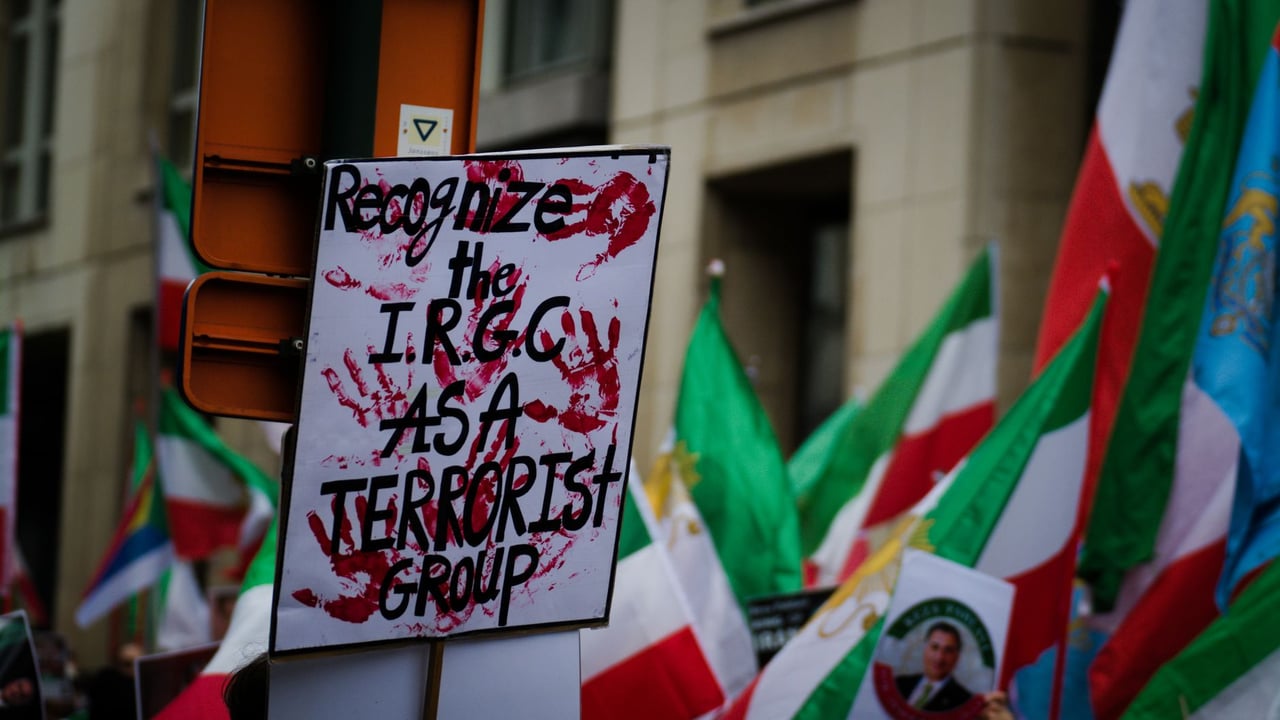

The fragile architecture of a Middle East ceasefire is trembling after the Islamic Revolutionary Guard Corps (IRGC) launched a pre-dawn missile strike on a US airbase on May 28, 2026. This direct retaliation followed a devastating US assault on Bandar Abbas, where cruise missiles dismantled Iranian naval assets and killed several IRGC personnel. While both sides previously signaled that a 60-day truce was nearly ninety-five percent finalized, the roar of explosions over the Persian Gulf suggests that the 'last five percent' may be the most dangerous hurdle yet.
At the heart of the current escalation is Donald Trump’s 'Operation Sledgehammer,' a contingency plan targeting Iran’s core nuclear, oil, and military infrastructure. For the White House, the goal is a total victory that forces Tehran to surrender its highly enriched uranium. However, the IRGC’s latest strike signals a refusal to negotiate under the barrel of a gun, manifesting a 'pragmatic but pessimistic' outlook among Iranian leadership who view Trump’s shifting demands as a classic art-of-the-deal trap.
The regional context complicates the diplomacy further. Israel’s forced evacuations in southern Lebanon and its breach of the April ceasefire have created a secondary front that threatens to swallow the US-Iran negotiations. Analysts suggest a new logic of deterrence is emerging: if Israel strikes Lebanon, Iran retaliates against US interests or regional allies like the UAE. This cycle of proxy and direct violence is rapidly outpacing the ability of mediators in Qatar and Pakistan to secure a signature on the dotted line.
Financial leverage remains the primary carrot in this high-stakes game. Qatar currently holds roughly $12 billion in frozen Iranian assets, a sum that represents half of Tehran’s overseas holdings. While a 'step-back' proposal suggested unfreezing these funds in exchange for a temporary halt in enrichment, Trump’s insistence on a ten-year freeze—compared to the three years Tehran is willing to offer—has brought the Doha talks to a standstill. The arrival of Iran’s central bank chief in Qatar suggests the money is ready, but the political price remains too high for Tehran’s hardliners.