Beyond the Horizon: Beijing Signals Readiness Amid U.S.-Japan Drills for a Taiwan Contingency

Beijing has responded forcefully to reports of joint U.S.-Japan military exercises targeting a Taiwan contingency, with analysts asserting the PLA's total readiness to counter external intervention. The escalating coordination between Washington and Tokyo highlights a shift in Japanese defense policy and a deepening security dilemma in the Indo-Pacific.

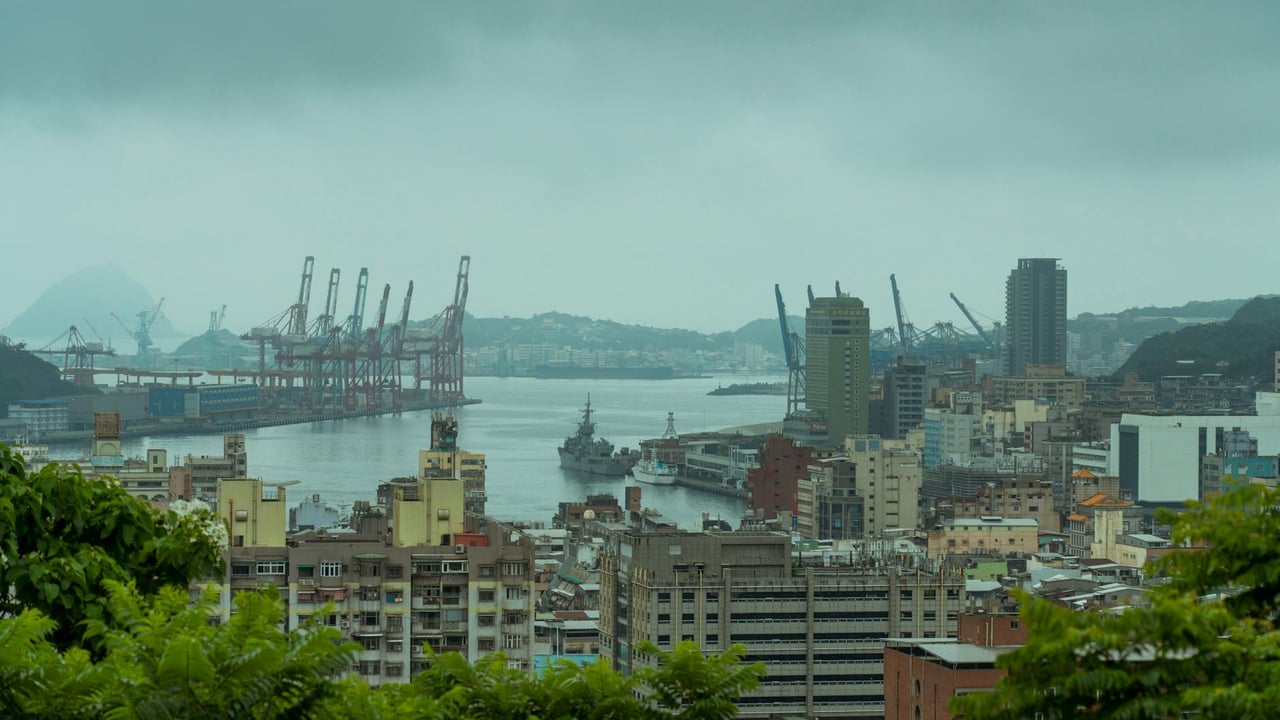
Scenic aerial view of Keelung Harbor, Taiwan with modern architecture and cranes under overcast skies.

Key Takeaways

  • 1Reports of new U.S.-Japan joint drills specifically tailored for a Taiwan emergency have triggered significant Chinese military pushback.
  • 2Military expert Wang Xiaopeng emphasized the PLA's mission-readiness and its ability to achieve victory against 'interfering' external forces.
  • 3Japan is increasingly integrating its defense strategies with the U.S. to address perceived threats to the Taiwan Strait and its own southwestern territories.
  • 4Beijing interprets these allied maneuvers as a direct violation of the 'One China' principle and an attempt to contain its maritime rise.

Editor's
Desk

Strategic Analysis

The strategic landscape is shifting from general deterrence to specific operational preparation. By framing the PLA's response as 'ready to fight and win,' Beijing is signaling that its military threshold for intervention may be lower than previously estimated by Western analysts. The real danger lies in the 'security dilemma': as the U.S. and Japan increase drills to ensure stability, Beijing perceives a greater threat to its core interests, leading to further militarization. This cycle risks a miscalculation where a routine exercise could be misinterpreted as the prelude to actual kinetic action, especially as the PLA continues to bridge the technological gap with Western forces.

China Daily Brief Editorial
Strategic Insight
China Daily Brief

As the security architecture of the Indo-Pacific undergoes a rapid realignment, the prospect of a coordinated U.S.-Japan military response to a 'Taiwan emergency' has shifted from a theoretical scenario to a cornerstone of regional planning. Recent reports detailing specific joint exercises between Washington and Tokyo have drawn a sharp rebuke from Chinese military circles. This escalation marks a new chapter in the strategic friction between the established maritime powers and a modernizing People’s Liberation Army (PLA).

Expert analyst Wang Xiaopeng has articulated a firm response to these developments, asserting that the PLA remains in a state of high combat readiness. His rhetoric—stating that the Chinese military is 'ready to fight and capable of winning'—is not merely posturing but a reflection of Beijing's deep-seated sensitivity toward foreign interference in what it considers domestic affairs. The messaging aims to project confidence in China's anti-access/area denial (A2/AD) capabilities within the First Island Chain.

For Japan, the shift toward more explicit contingency planning represents a significant departure from its historical pacifist constraints. Tokyo increasingly views the security of the Taiwan Strait as inextricable from its own national survival, particularly concerning the defense of its southwestern islands. This integration of Japanese logistics and intelligence with American kinetic power creates a more complex operational environment for Chinese military planners who must now account for a two-front challenge.

The timing of these revelations coincides with a broader push for military modernization across the region. While the U.S. and Japan seek to demonstrate a credible deterrent, Beijing views such maneuvers as provocative 'collusion' that emboldens separatist forces in Taipei. This cycle of military signaling and counter-signaling continues to narrow the window for diplomatic de-escalation, leaving the region in a precarious state of 'armed peace.'

Share Article

Related Articles

📰
No related articles found