Pacific Tensions Flare as Beijing Condemns Deployment of U.S. 'Typhon' Missile System in Japan

China has expressed firm opposition to the planned deployment of the U.S. Typhon mid-range missile system in Japan, viewing it as an offensive threat that could trigger a regional arms race. The system, which can reach most of mainland China, is seen as a strategic escalation that shifts the military balance in the Indo-Pacific.

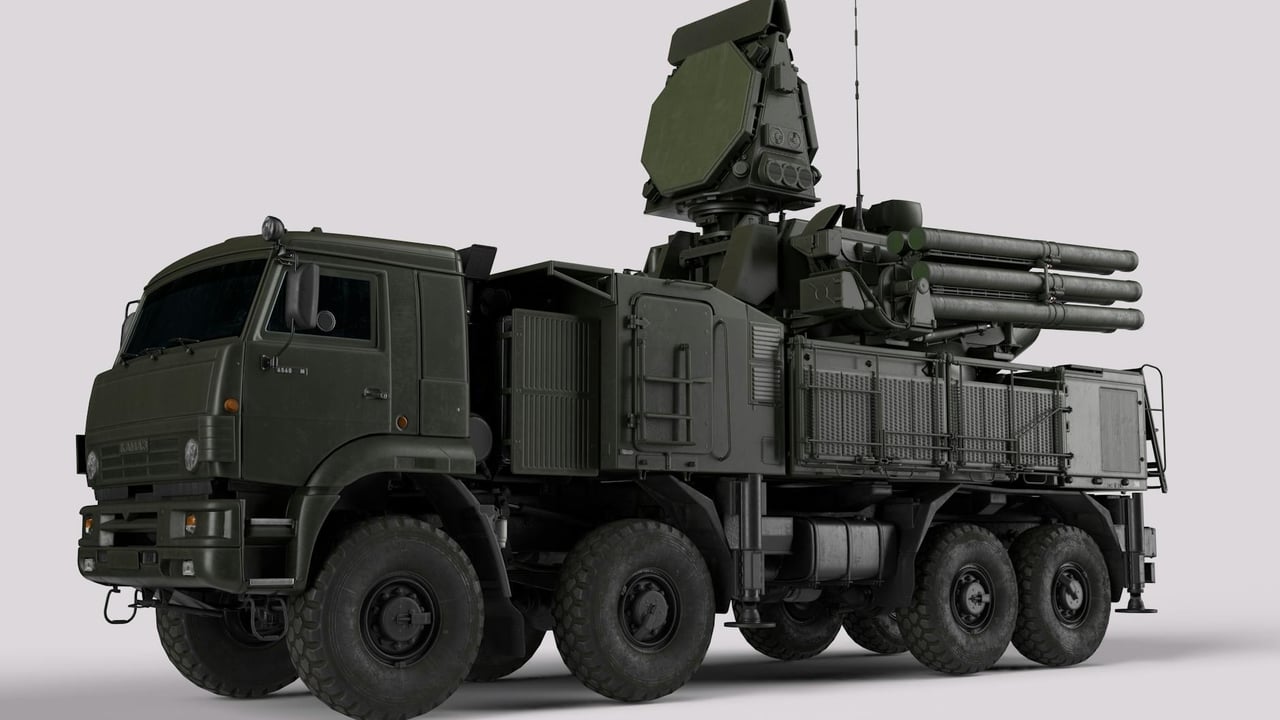
High-resolution image of a military anti-aircraft vehicle equipped with advanced missile system.

Key Takeaways

  • 1The U.S. plans to deploy the Typhon mid-range missile system to Japan’s Kagoshima Prefecture from June to September 2026.
  • 2The Typhon system is an offensive platform capable of launching missiles that can reach the majority of Chinese territory.
  • 3China's Ministry of National Defense officially opposes the move, citing threats to regional stability and an increased risk of military confrontation.
  • 4Following joint exercises, the system is expected to be permanently relocated to U.S. military bases within Japan.
  • 5The deployment marks a significant expansion of U.S. strike capabilities in the Western Pacific following the end of the INF Treaty.

Editor's
Desk

Strategic Analysis

The deployment of the Typhon system represents a critical shift in the U.S. 'Integrated Deterrence' strategy, moving from purely defensive postures to land-based offensive strike capabilities within the First Island Chain. For Japan, hosting such systems is a clear departure from its historical 'Self-Defense' constraints, signaling a high-stakes bet on the U.S. security umbrella. Beijing's sharp reaction is predictable but significant; it likely foreshadows a new phase of 'missile diplomacy' where the PLA justifies the expansion of its own theater-range assets, such as the DF-21 and DF-26, under the guise of counter-balancing. This normalization of intermediate-range missiles in the region effectively creates a permanent state of high-readiness tension, leaving little room for de-escalation in the event of a maritime or territorial crisis.

China Daily Brief Editorial
Strategic Insight
China Daily Brief

The regional security architecture of East Asia is facing a new stress test as Beijing issues a stern warning against the deployment of the United States’ 'Typhon' mid-range missile system. Senior Colonel Jiang Bin, spokesperson for China’s Ministry of National Defense, characterized the move as a blatant provocation that undermines the sovereignty and security interests of regional neighbors. The system’s deployment is slated to begin in June at the Kanoya Air Base in Kagoshima Prefecture.

Technically known as the Strategic Mid-Range Fires (SMRF) system, the Typhon is a versatile platform capable of launching Tomahawk land-attack missiles and SM-6 interceptors. Its arrival in Japan marks a significant milestone in the U.S. Army's efforts to rebuild its intermediate-range strike capabilities, which were previously restricted under the now-defunct INF Treaty. By positioning these assets in Japan’s southern islands, Washington effectively places a significant portion of the Chinese heartland within its crosshairs.

Beijing views the deployment not as a routine exercise, but as a calculated shift toward an offensive posture by the U.S.-Japan alliance. Chinese officials argue that such maneuvers are designed to contain China within the so-called 'First Island Chain' and fundamentally alter the military balance in the Western Pacific. This development comes at a time when Tokyo is increasingly willing to host advanced American hardware to counter what it perceives as rising maritime assertiveness from the People’s Liberation Army.

The rhetoric from the Ministry of National Defense suggests that China is prepared to respond to what it calls a 'military confrontation risk.' As the Typhon system transitions from temporary joint exercises to a more permanent fixture at U.S. bases in Japan, the likelihood of a reciprocal buildup by China increases. This escalating missile race threatens to dismantle decades of relative stability and could force neighboring nations to choose sides in an increasingly polarized security landscape.

Share Article

Related Articles

📰
No related articles found